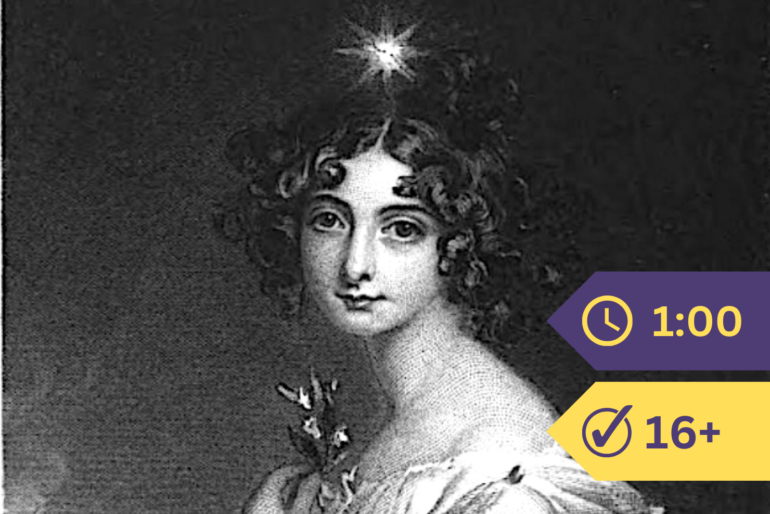
Evening Star

Summary


"Evening Star" is a short poem by Edgar Allan Poe in which a speaker, gazing at the pale and indifferent moon on a summer midnight, turns away from its cold smile toward the distant, proud glow of the evening star. The moon commands the planets around it yet offers no warmth; the evening star, by contrast, stirs genuine joy in the speaker's heart. Through this quiet celestial drama, Poe explores longing, emotional distance, and where true beauty is felt rather than simply seen.


Listen to audio


Read Online

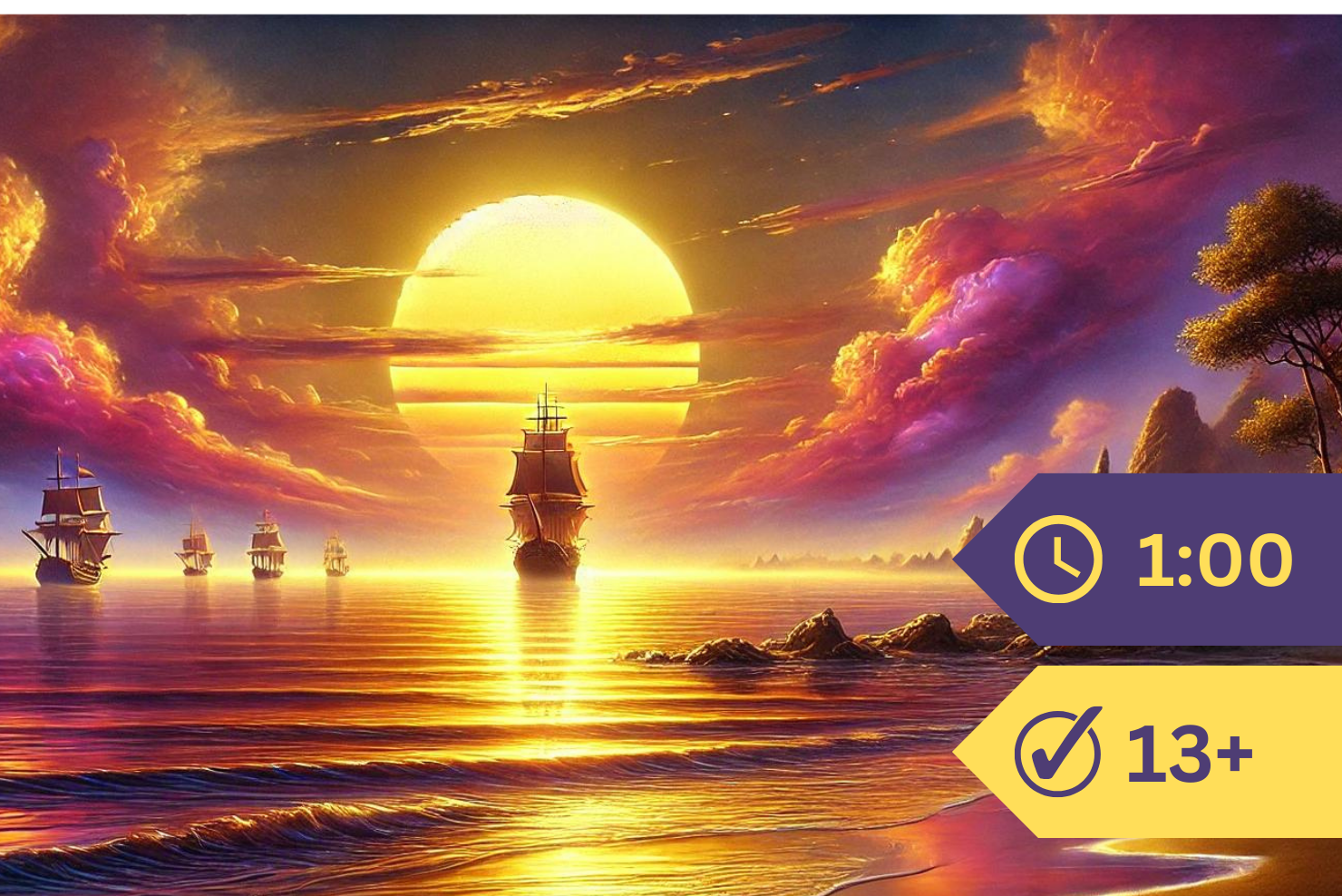
’Twas noontide of summer,
And midtime of night,
And stars, in their orbits,
Shone pale, through the light
Of the brighter, cold moon.
‘Mid planets her slaves,
Herself in the Heavens,
Her beam on the waves.

I gazed awhile
On her cold smile;
Too cold—too cold for me—
There passed, as a shroud,
A fleecy cloud,
And I turned away to thee,

Proud Evening Star,
In thy glory afar
And dearer thy beam shall be;
For joy to my heart
Is the proud part
Thou bearest in Heaven at night.,
And more I admire
Thy distant fire,
Than that colder, lowly light.



Credits

Edgar Allan Poe was an American writer of the 19th century, celebrated for his mastery of Gothic fiction, mystery, and lyric poetry. "Evening Star" is one of his earliest known poems, believed to have been written around 1827 when Poe was just eighteen years old, revealing his fascination with celestial imagery and emotional longing long before his darker, more celebrated works took shape.