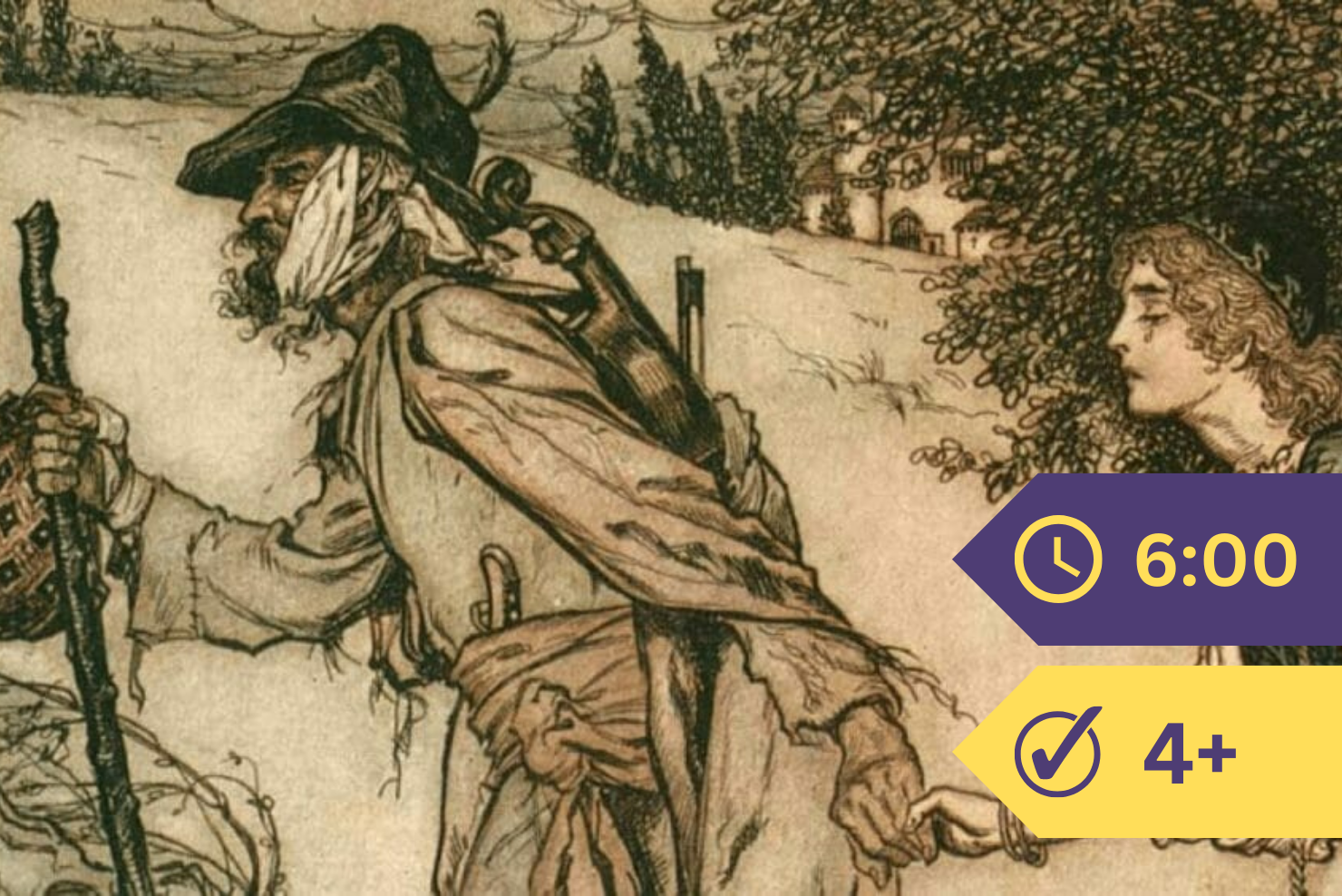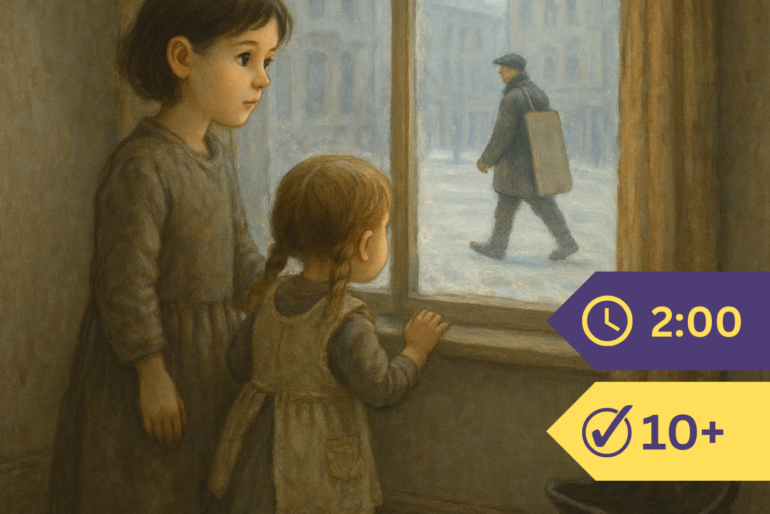
Daddy’s lost the job he had a-drivin’ on the line,
An’ so he’s took to carryin’ an advertisin’ sign;
All ‘at he’s a-makin’ now is fifty cents a day,
Walkin’ up an’ down, an’ givin’ little bills away.
Daddy he tells mammy ‘at it won’t be long afore
He fin’s anudder job at sumpin’ ‘at’ll pay him more;
An’ Bess an’ me’s a-hopin’ ‘at he’ll git it soon, a-cause
It’s putty nearly ’bout the time to look fur Santy Klaws.
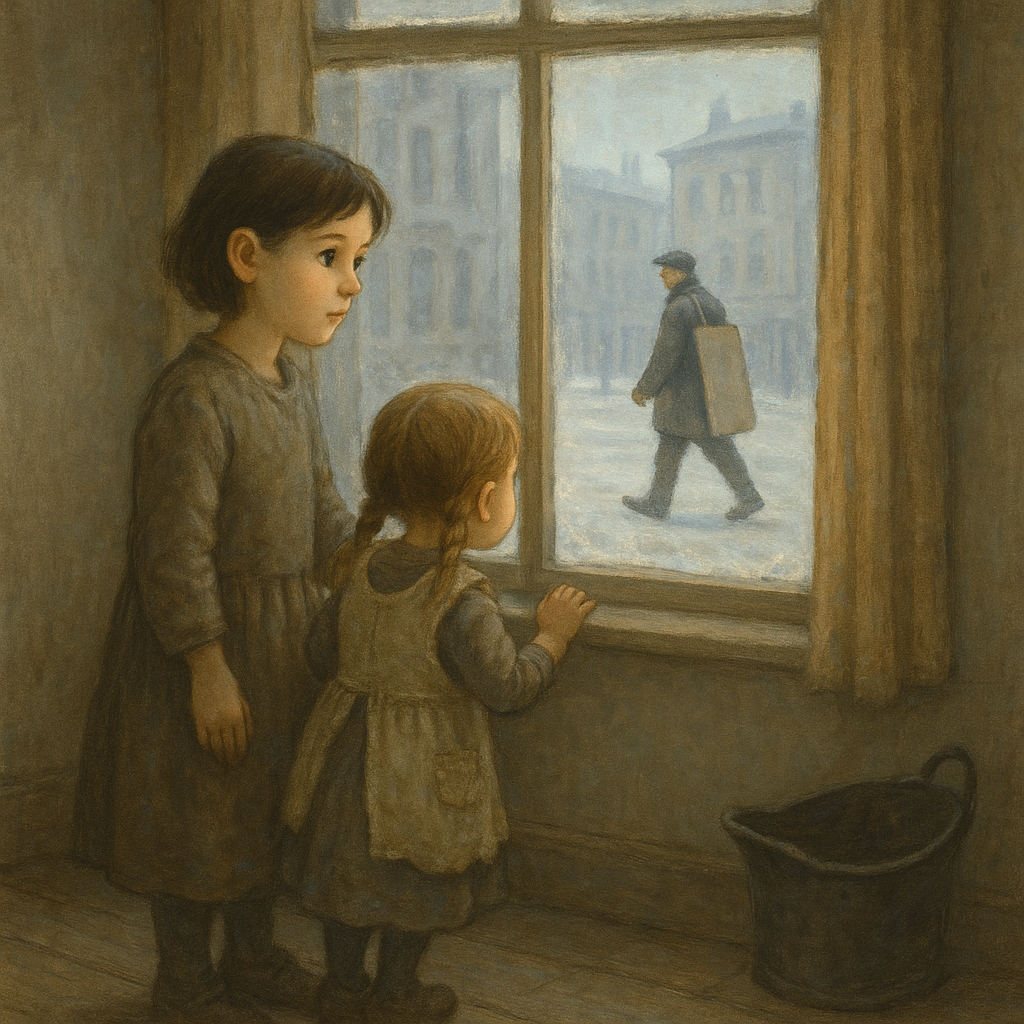
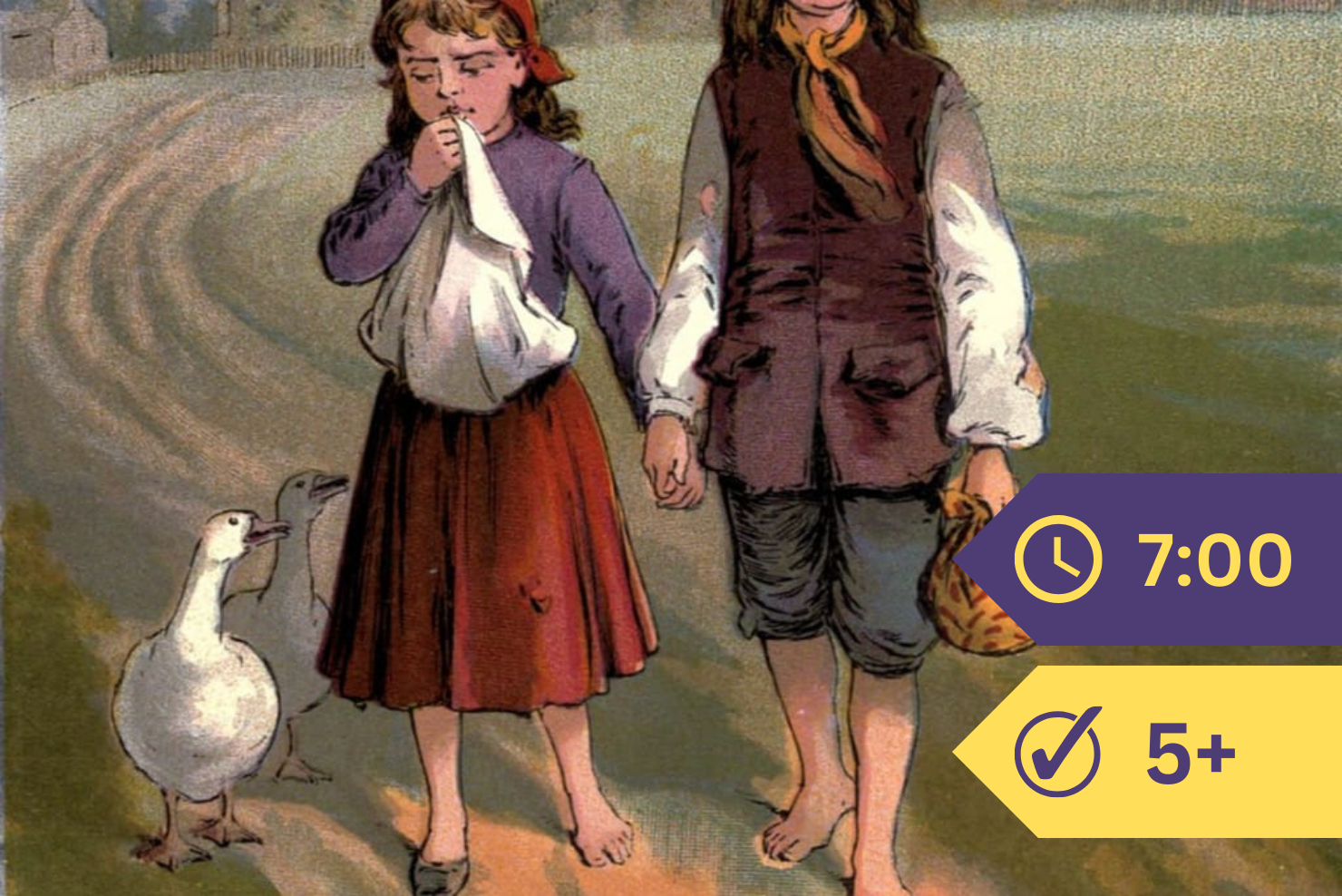
I’m ‘mos’ eight years old, an’ Bess is littler an’ me,
An’ mammy’s been a-promisin’ ‘at we could have a tree
Big as what the Dolans had las’ year on Chrisamus,
An’ there’s seven little Dolans, an’ there’s on’y two of us!
But mammy now is worried ’bout the rent a-comin’ on,
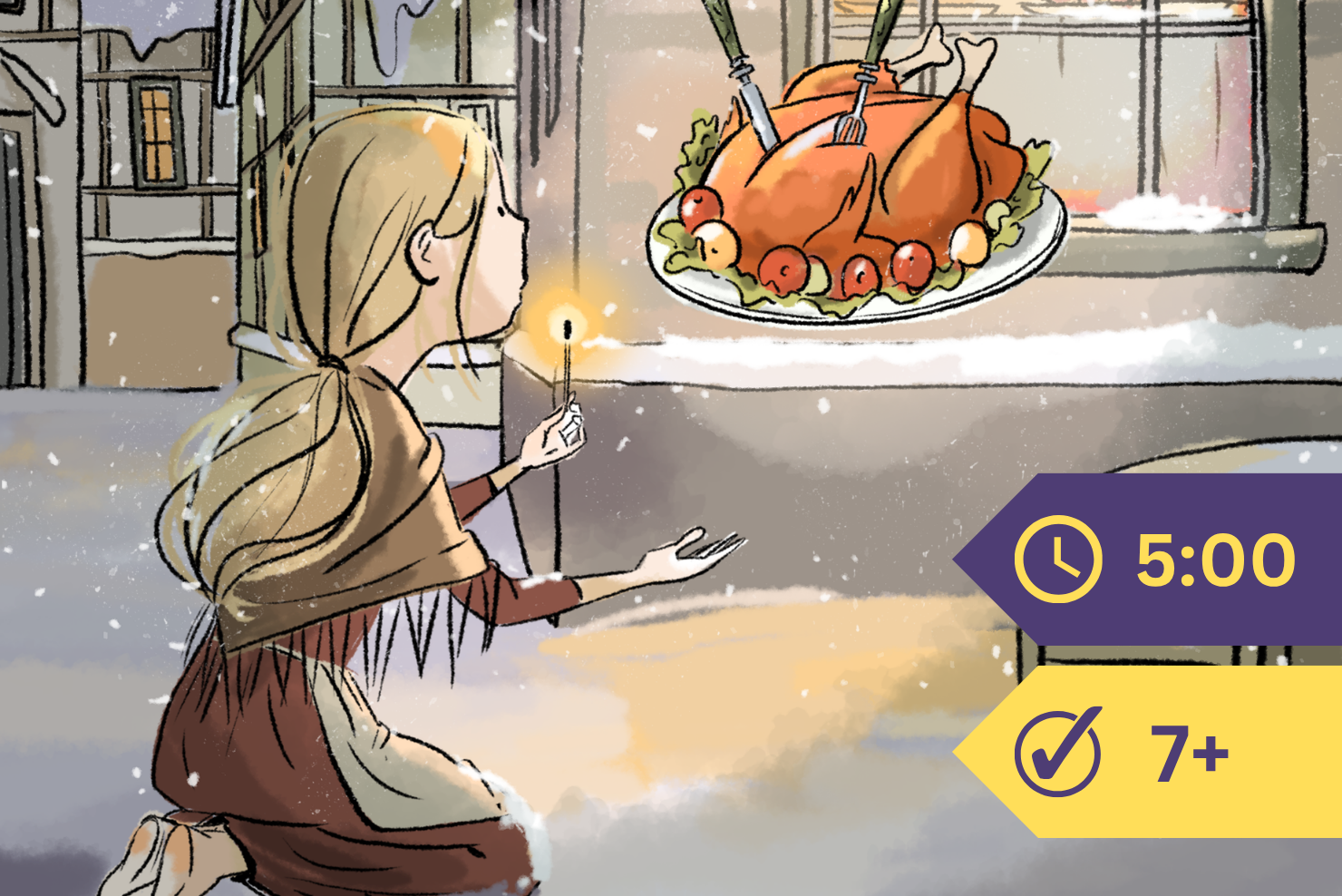
An’ we don’t drink no more coffee, an’ the bag o’ flour’s gone;
An’ the coal ‘at’s in the closet’s a-gittin’ down so fast
We sifts the cinders over twice to try an’ make it last.
So it don’t much look as if a tree’s a-goin’ to be had,
An’ we’ve stopped a-askin’ mammy ’cause it on’y makes her mad,
An’ we both have made it up to stop a-plaguin’ daddy, too,
Fur centses to buy candy with, jus’ like we used to do.
But we keep a-hopin’ to oursel’s it won’t be allus so,
An’ a-prayin’ an’ a-prayin’, though we don’t let mammy know,
If there’s a job to spare, ‘at daddy’ll git it right away—
Sumpin’ ‘at’ll bring him more ‘an fifty cents a day!