Well for youth to seek the strong,
Beautiful, and brave!
We, the old, who walk along
Gently to the grave,
Only pay our court to thee,
Child of all Eternity!
We are old who once were young,
And we grow more old;
Songs we are that have been sung,
Tales that have been told;
Yellow leaves, wind-blown to thee,
Childhood of Eternity!
If we come too sudden near,
Lo, Earth’s infant cries,
For our faces wan and drear
Have such withered eyes!
Thou, Heaven’s child, turn’st not away
From the wrinkled ones who pray!
Smile upon us with thy mouth
And thine eyes of grace;
On our cold north breathe thy south.
Thaw the frozen face:
Childhood all from thee doth flow—
Melt to song our age’s snow.
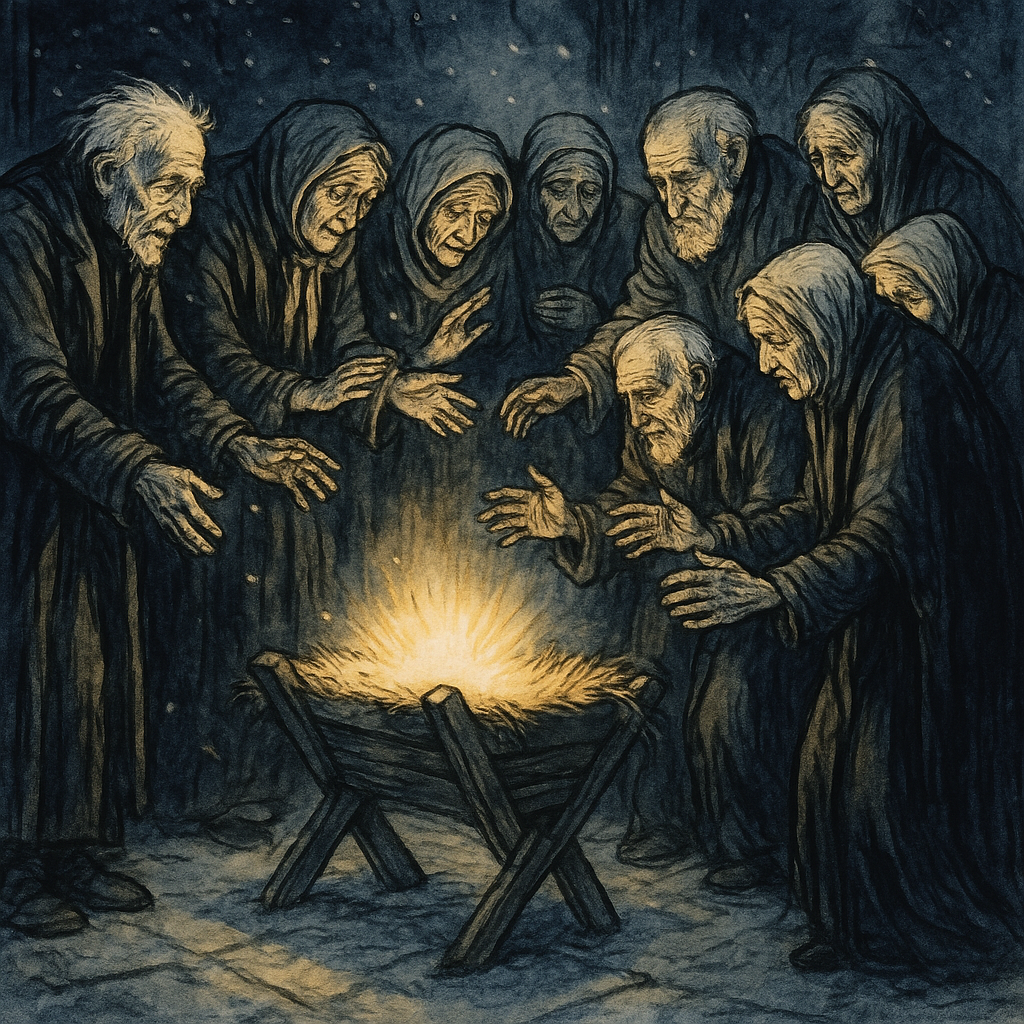
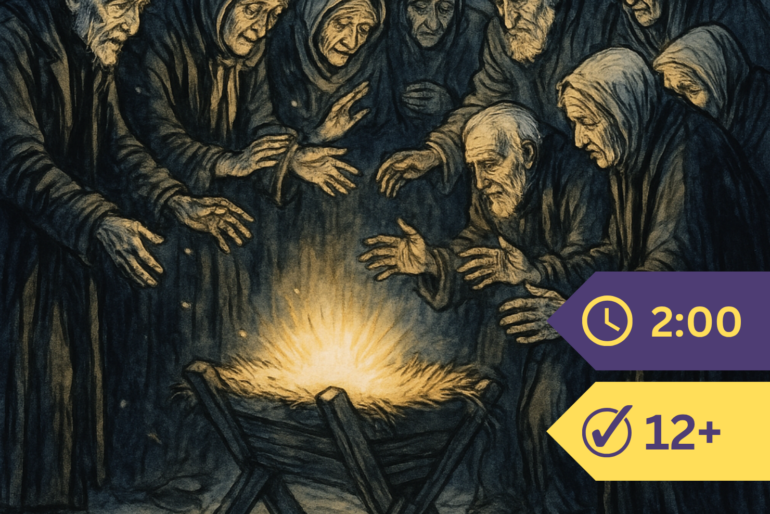
Gray-haired children come in crowds,
Thee, their Hope, to greet:
Is it swaddling clothes or shrouds
Hampering so our feet?
Eldest child, the shadows gloom:
Take the aged children home.
We have had enough of play,
And the wood grows drear;
Many who at break of day
Companied us here—
They have vanished out of sight,
Gone and met the coming light!
Fair is this out-world of thine,
But its nights are cold;
And the sun that makes it fine
Makes us soon so old!
Long its shadows grow and dim—
Father, take us back with him!