Christmas Carol

Summary


"Christmas Carol" by Phillips Brooks is a luminous Christmas poem that casts the earth as an aging world momentarily renewed by the holy night. Across four stanzas, the Christ-child descends on soft snowflakes, bringing a message of hope to the lonely, the poor, and the lost wanderer — opening doors they dared not imagine. The poem builds to a quietly triumphant revelation: that the humblest soul walks the same sacred ground as the holiest, united by a single, joyful truth.

Read Online

The earth has grown old with its burden of care,
But at Christmas it always is young,
The heart of the jewel burns lustrous and fair,
And its soul full of music bursts forth on the air,
When the song of the angels is sung.

It is coming, Old Earth, it is coming to-night!
On the snowflakes which cover thy sod
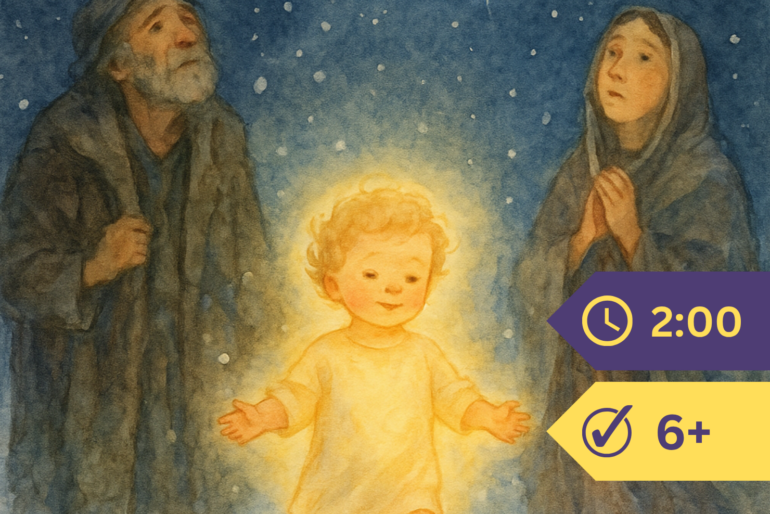
The feet of the Christ-child fall gentle and white,
And the voice of the Christ-child tells out with delight
That mankind are the children of God.
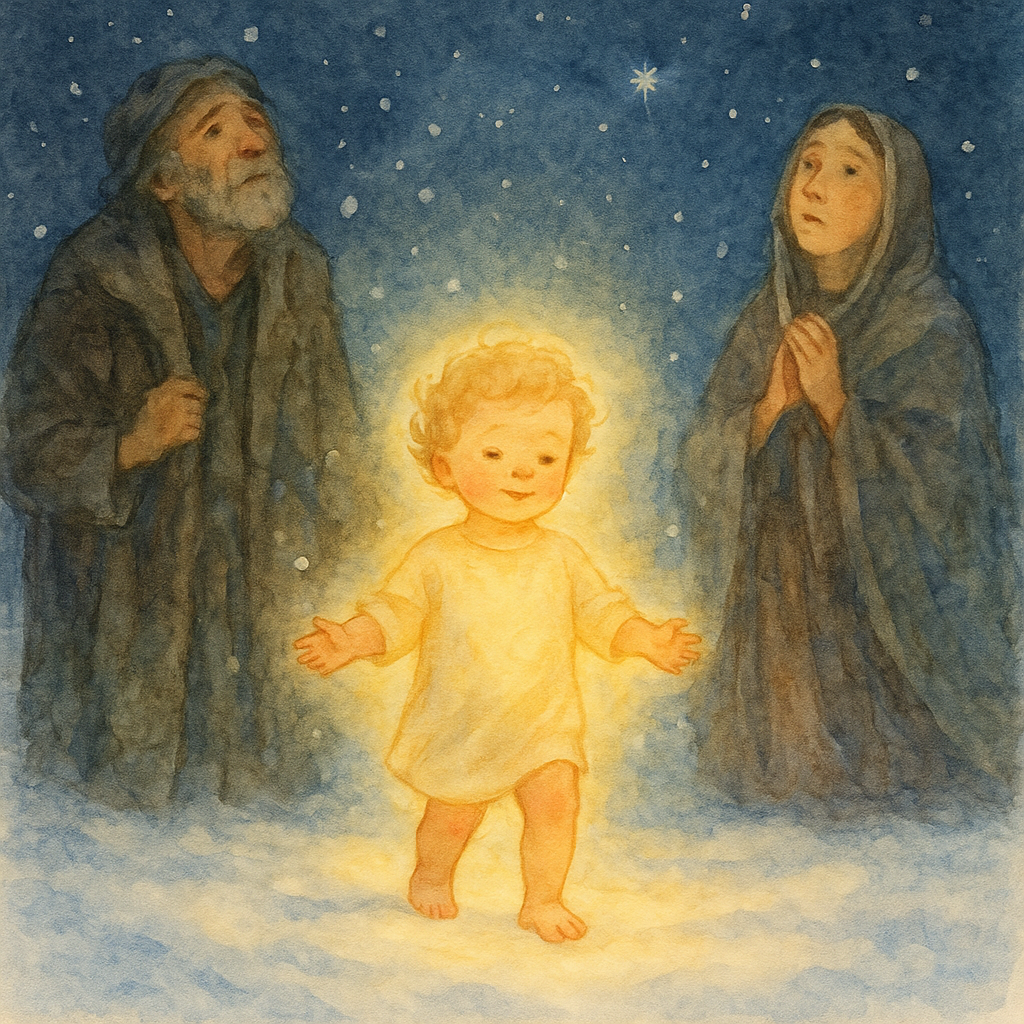
The Christ-child walks softly on snow as humble figures look on in wonder — Christmas Carol by Phillips Brooks

On the sad and the lonely, the wretched and poor,
The voice of the Christ-child shall fall;
And to every blind wanderer open the door
Of hope that he dared not to dream of before,
With a sunshine of welcome for all.

The feet of the humblest may walk in the field
Where the feet of the Holiest trod,
This, then, is the marvel to mortals revealed
When the silvery trumpets of Christmas have pealed,
That mankind are the children of God.

Credits

Phillips Brooks was a prominent 19th-century American Episcopal bishop and preacher, best known as the lyricist of the beloved carol "O Little Town of Bethlehem." This lesser-known Christmas poem shares the same theological warmth and inclusive spirit that made his writing so enduring, affirming the dignity of every human soul.