Mother, when Christmas comes once more,
I do not wish that you
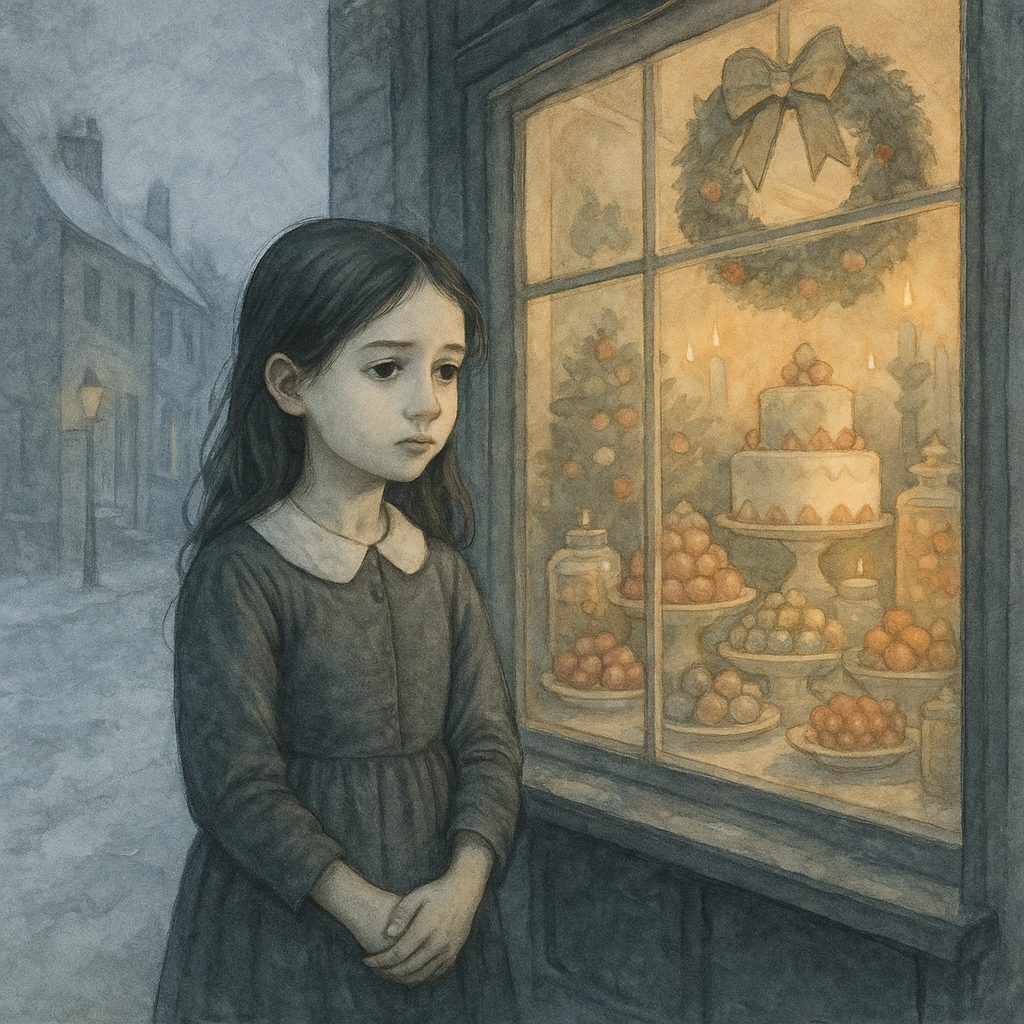
Should buy sweet things for me again,
As you were used to do.
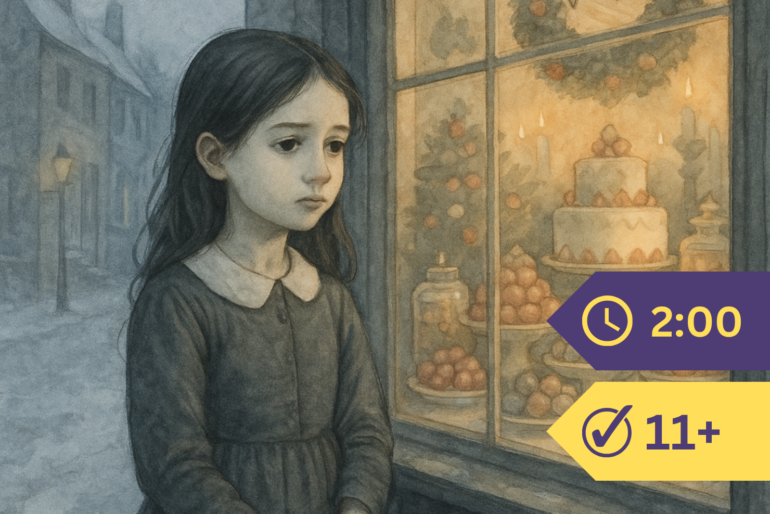
The taste of cakes and sugar-plums
Is pleasant to me yet,
And temptingly the gay shops look
With their fresh stores outset.
But I have learned, dear mother,
That the poor and wretched slave
Must toil to win their sweetness
From the cradle to the grave.
And when he faints with weariness
Beneath the torrid sun,
The keen lash urges on his toil
Until the day is done.
But when the holy angels’ hymn
On Judea’s plains afar
Pealed sweetly on the shepherds’ ear
‘Neath Bethlehem’s wondrous star,
They sang of glory to our God—
“Peace and good will to men”—
For Christ, the Saviour of the world,
Was born amidst them then.
And is it for His glory, men
Are made to toil
With weary limbs and breaking hearts
Upon another’s soil?
That they are taught not of His law,
To know His holy will,
And that He hates the deed of sin
And loves the righteous still?
And is it peace and love to men
To bind them with the chain,
And sell them like the beasts that feed
Upon the grassy plain?
To tear their flesh with scourgings rude,
And from the aching heart
The ties to which it fondliest clings
For evermore to part?
And ‘t is because of all this sin, my mother,
That I shun
To taste the tempting sweets for which
Such wickedness is done.
If men to men will be unjust, if slavery must be,
Mother, the chain must not be worn; the scourge
be plied for me.