Christmas, 1884

Summary


"Christmas, 1884" is a short Christmas poem in which the speaker confesses a heart empty of seasonal cheer — no joy, no song, loved ones scattered and absent from the table. Yet rather than sinking into despair, the poem pivots on quiet faith: Christ's presence is declared enough. The central tension lies between felt absence and chosen trust, building through three stanzas toward a promise that transcends one day's return — that Christ himself will come.

Read Online

Though in my heart no Christmas glee,
Though my song-bird be dumb,
Jesus, it is enough for me
That thou art come.

What though the loved be scattered far,
Few at the board appear,
In thee, O Lord, they gathered are,
And thou art here.
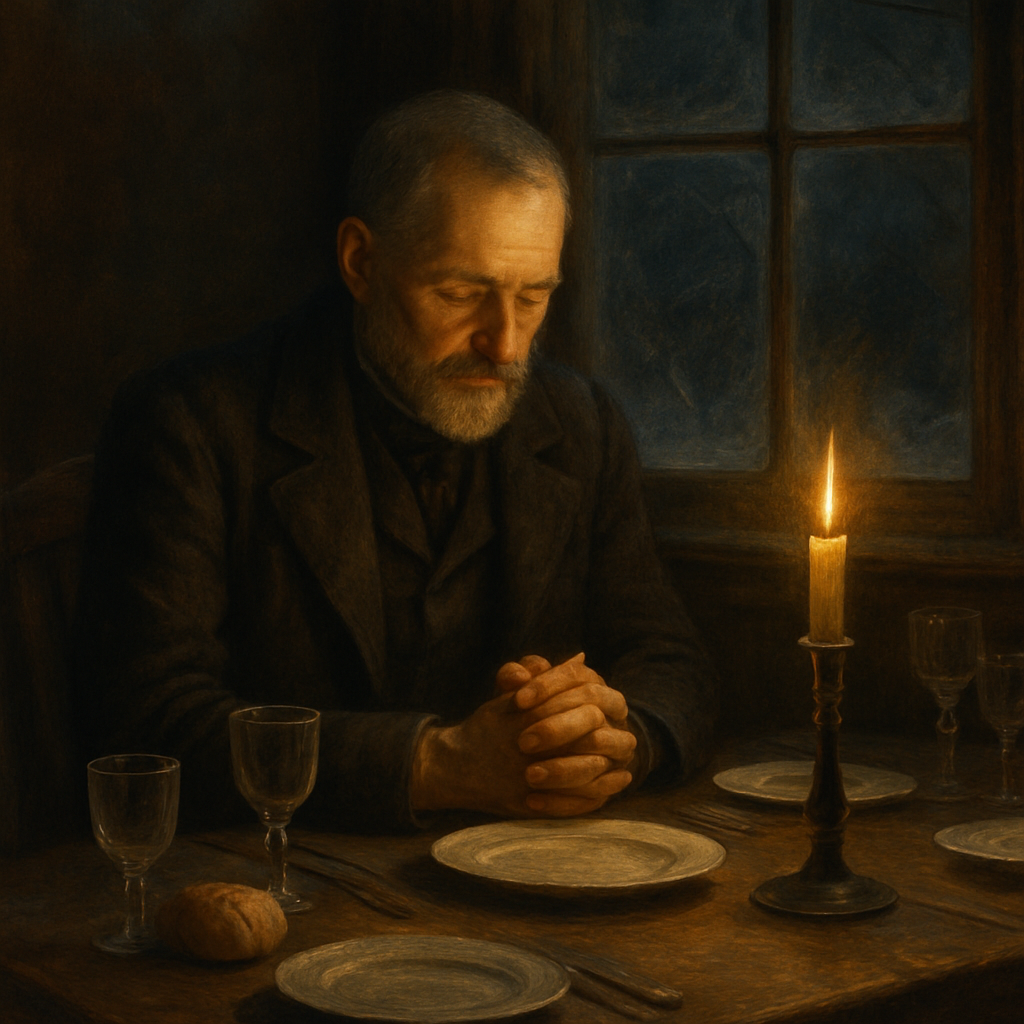
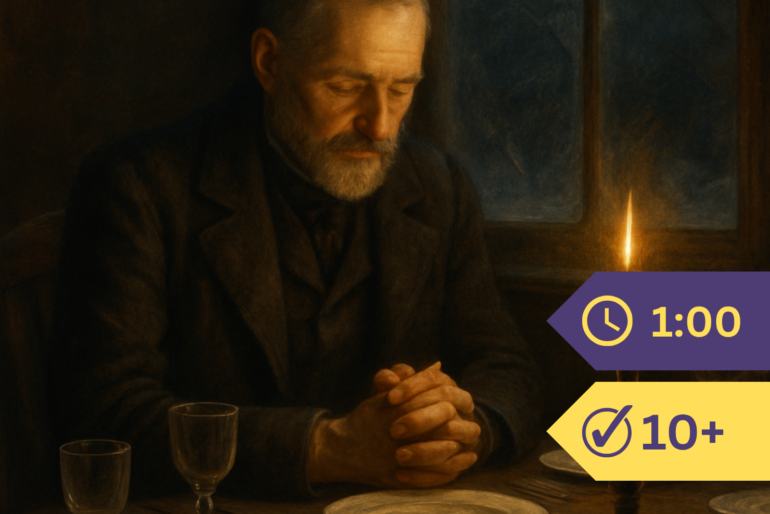
A solitary man sits at an empty Christmas table by candlelight, scene from "Christmas, 1884" by George MacDonald.

And if our hearts be low with lack,
They are not therefore numb;
Not always will thy day come back—
Thyself will come!


Credits

George MacDonald was a 19th-century Scottish author and poet, celebrated for his fantasy novels and spiritual writings that deeply influenced C.S. Lewis and J.R.R. Tolkien. Written in 1884, this intimate poem reflects the quieter, more personal side of his faith — a Christmas meditation penned in a period of MacDonald's life marked by loss and family hardship.