Brightest and Best

Summary


"Brightest and Best" is a Christmas poem by Reginald Heber that opens with a radiant call to the Star of the East to guide the faithful toward the newborn Christ. The infant lies in a cold cradle, surrounded by animals, as angels silently adore him. The poem then poses a searching question: what gift could truly honour such a Redeemer? Gold, gems, and rare perfumes are weighed against something far simpler — the humble prayers of the poor, which Heber declares dearer to God than any earthly treasure.

Read Online

Brightest and best of the sons of the morning;
Dawn on our darkness and lend us thine aid;
Star of the East, the horizon adorning,
Guide where our infant Redeemer is laid.

Cold on His cradle the dewdrops are shining;
Low lies His head with the beasts of the stall;
Angels adore Him in slumber reclining,
Maker and Monarch and Saviour of all!
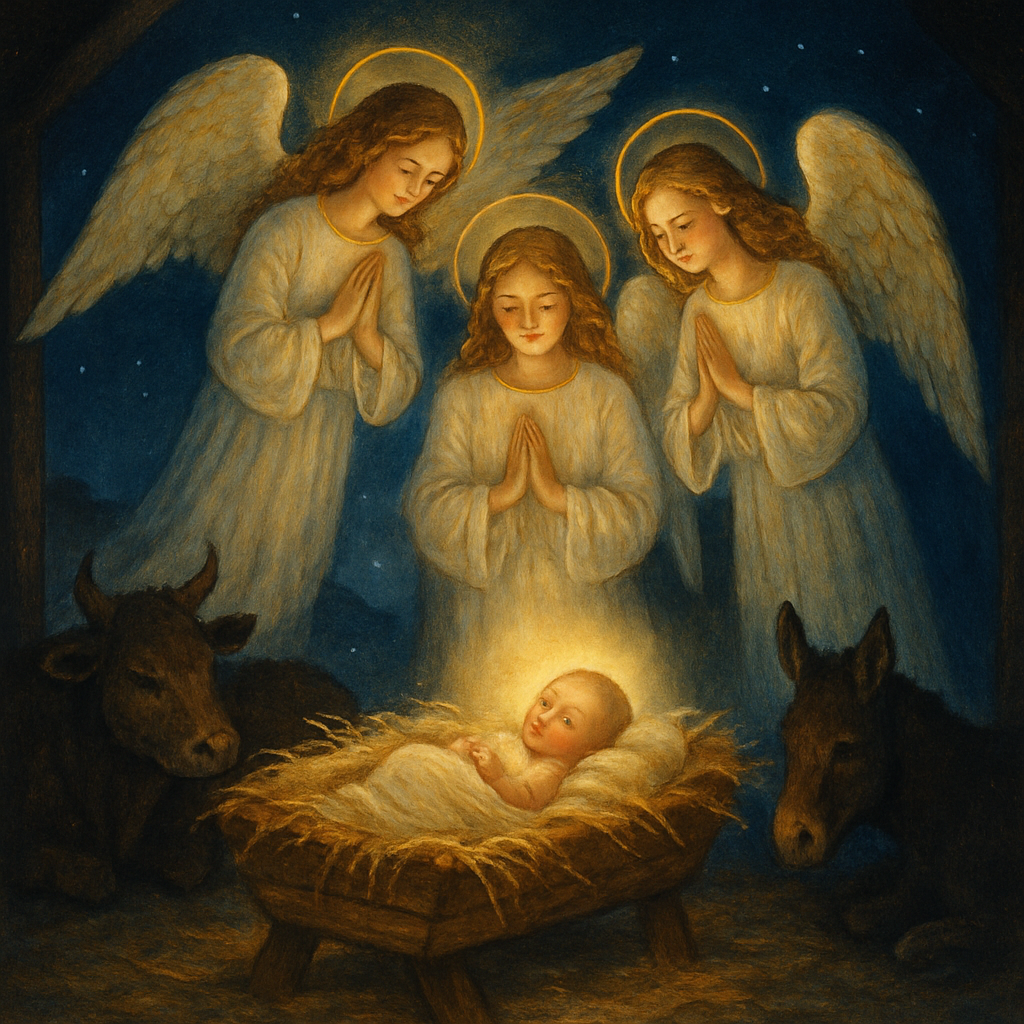
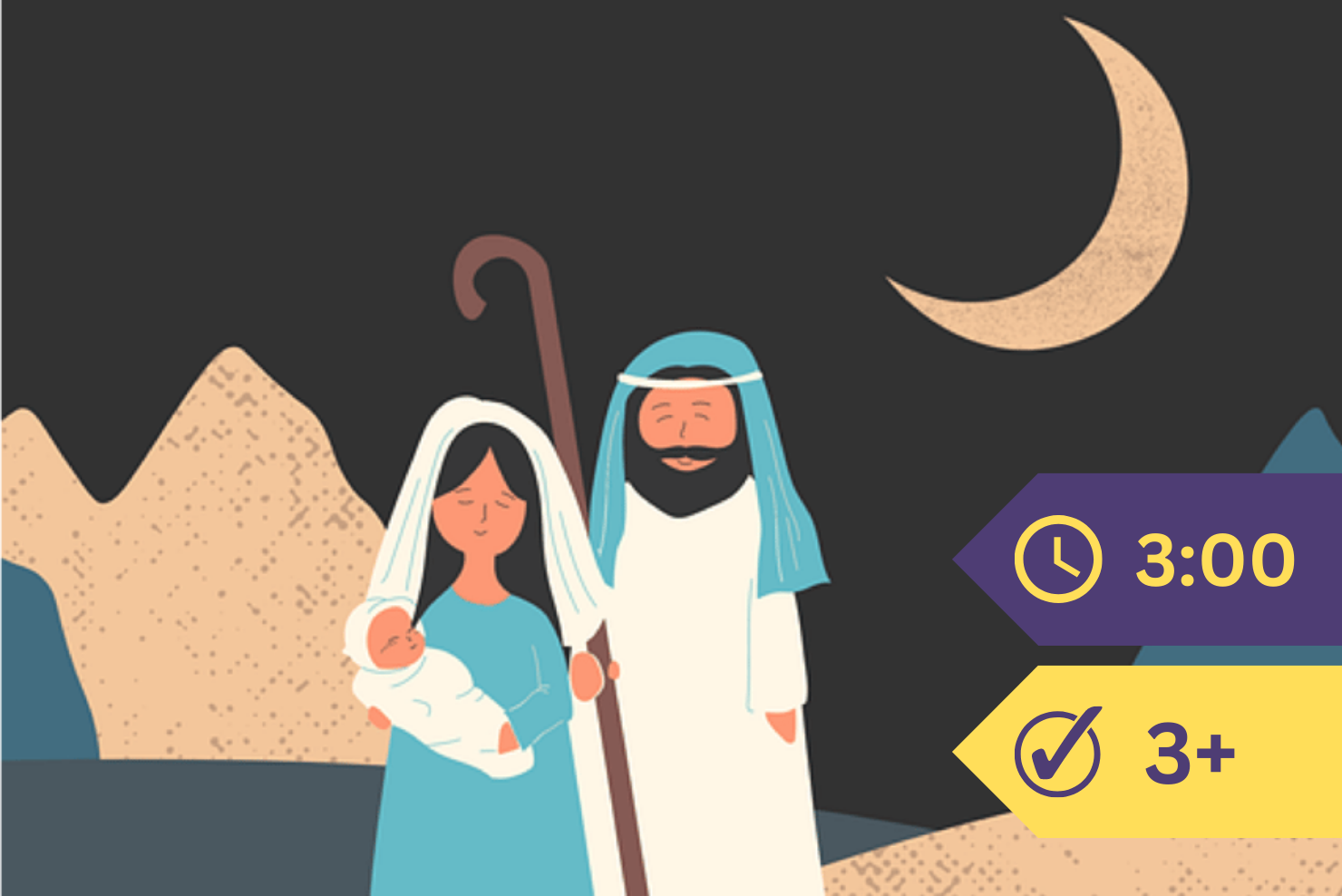
Angels adoring the infant Christ in the manger, with the Star of the East shining outside — Brightest and Best

Say, shall we yield Him, in costly devotion,
Odors of Edom and offerings divine?
Gems of the mountain and pearls of the ocean,
Myrrh from the forest, or gold from the mine?

Vainly we offer each ample oblation,
Vainly with gifts would His favor secure;
Richer by far is the heart’s adoration,
Dearer to God are the prayers of the poor.

Credits

Reginald Heber was a 19th-century English bishop and hymn writer, celebrated for richly devotional verse that blended lyrical beauty with theological depth. "Brightest and Best" was written in 1811 and became one of his most enduring Epiphany hymns, sung widely in Anglican churches at Christmas and Twelfth Night.