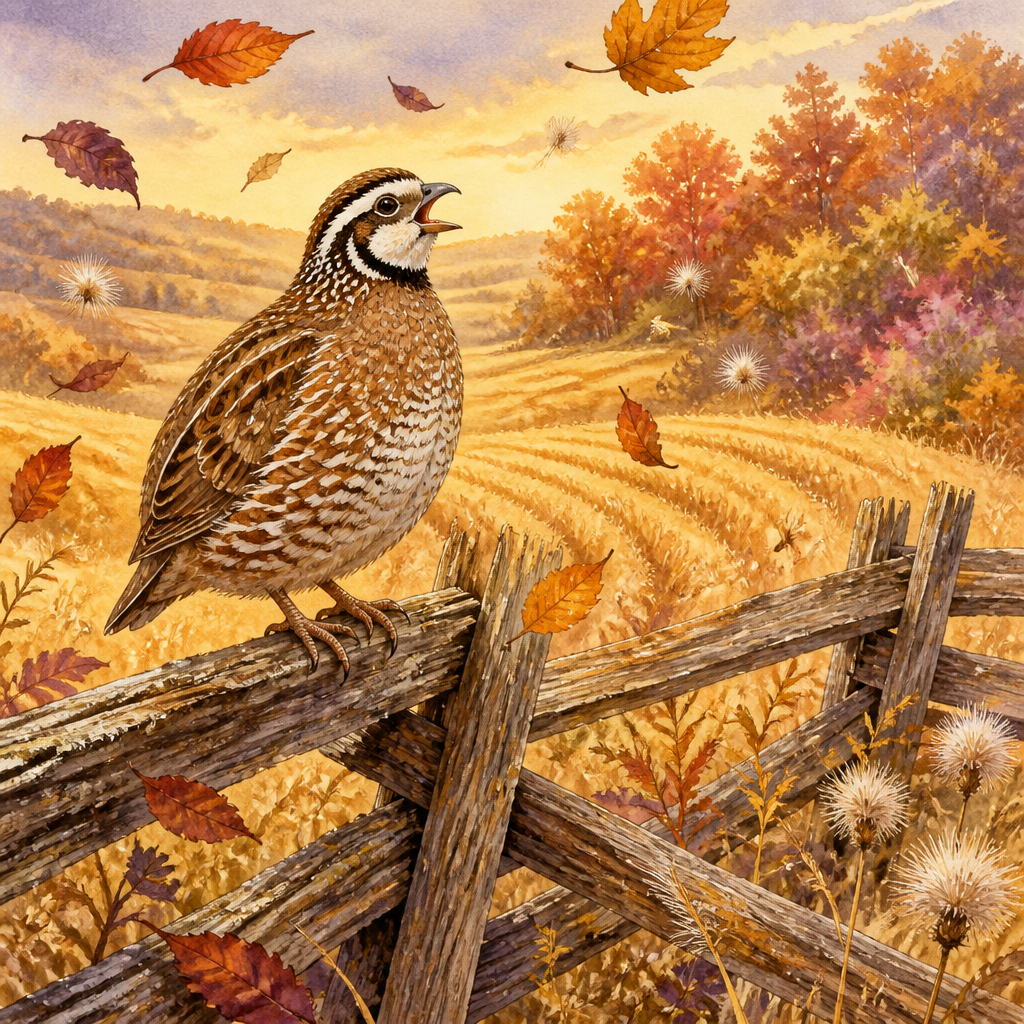
I see you on the zig zag rails,
You cheery little fellow!
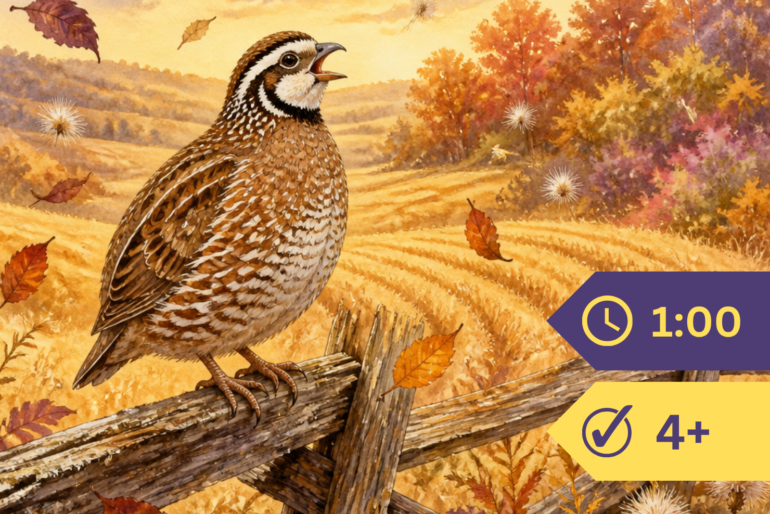
While purple leaves are whirling down,
And scarlet, brown or yellow.
I hear you when the air is full
Of snow-down of the thistle;
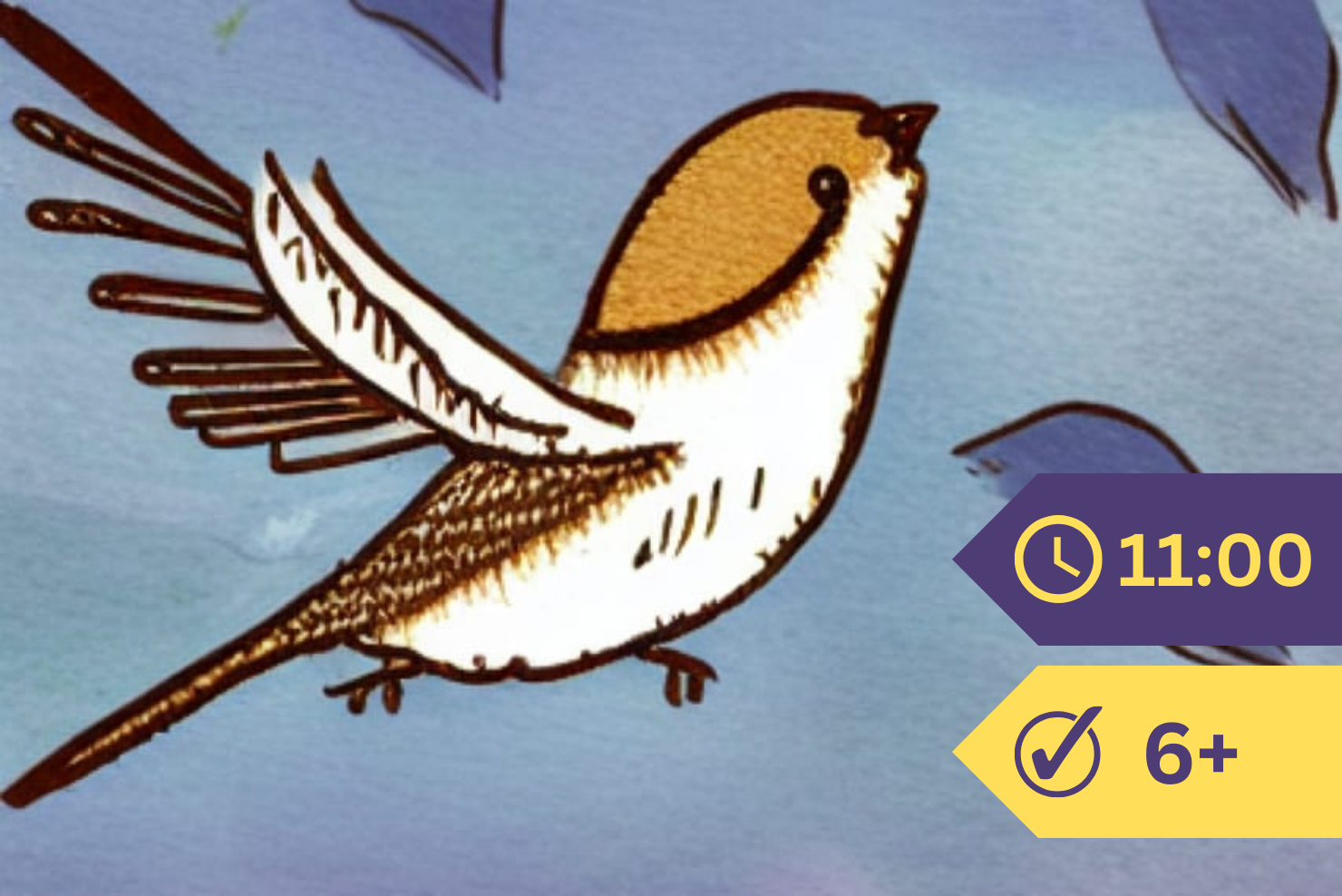
All in your speckled jacket trim,
“Bob White! Bob White!” you whistle.
Tall amber sheaves, in rustling rows,
Are nodded there to greet you,
I know that you are out for play—
How I should like to meet you!
Though blithe of voice, so shy you are,
In this delightful weather;
What splendid playmates, you and I,
Bob White, would make together.
There, you are gone! but far away
I hear your whistle falling,
Ah! maybe it is hide and seek,
And that’s why you are calling.
Along those hazy uplands wide
We’d be such merry rangers;
What! silent now and hidden, too?
Bob White, don’t let’s be strangers.
Perhaps you teach your brood the game,
In yonder rainbowed thicket,
While winds are playing with the leaves,
And softly creaks the cricket.
“Bob White! Bob White!” again I hear
That blithely whistled chorus,
Why should we not companions be?
One Father watches o’er us!