
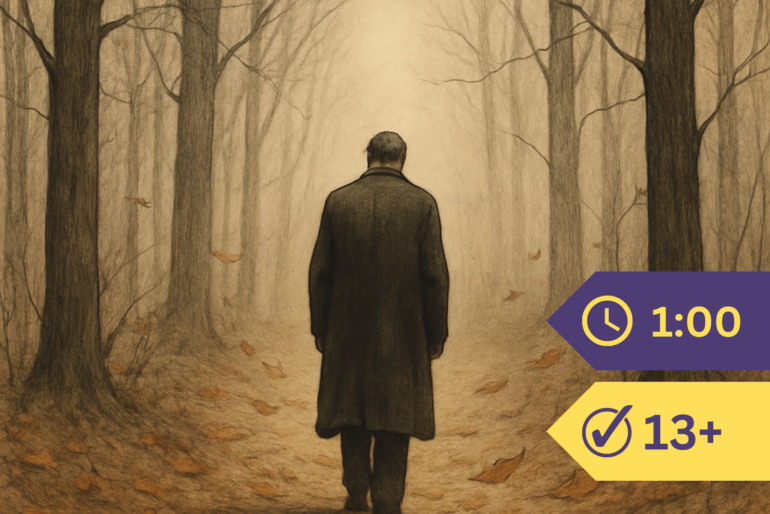
Autumn Day

Summary


"Autumn Day" by Rainer Maria Rilke opens with a direct address to God, urging the last warmth of summer to ripen the final fruits and press sweetness into the heavy wine. The poem then shifts into something more personal and piercing: a meditation on those who have arrived at autumn without a home, without companionship. They will wander restless through leaf-strewn groves, reading and writing letters through long, lonely nights — carrying the weight of chances that have quietly closed.

Listen to audio


Read Online

Lord! It is time. So great was Summer’s glow:
Thy shadows lay upon the dials’ faces
And o’er wide spaces let thy tempests blow.

Command to ripen the last fruits of thine,
Give to them two more burning days and press
The last sweetness into the heavy wine.

He who has now no house will ne’er build one,
Who is alone will now remain alone;
He will awake, will read, will letters write
Through the long day and in the lonely night;
And restless, solitary, he will rove
Where the leaves rustle, wind-blown, in the grove.
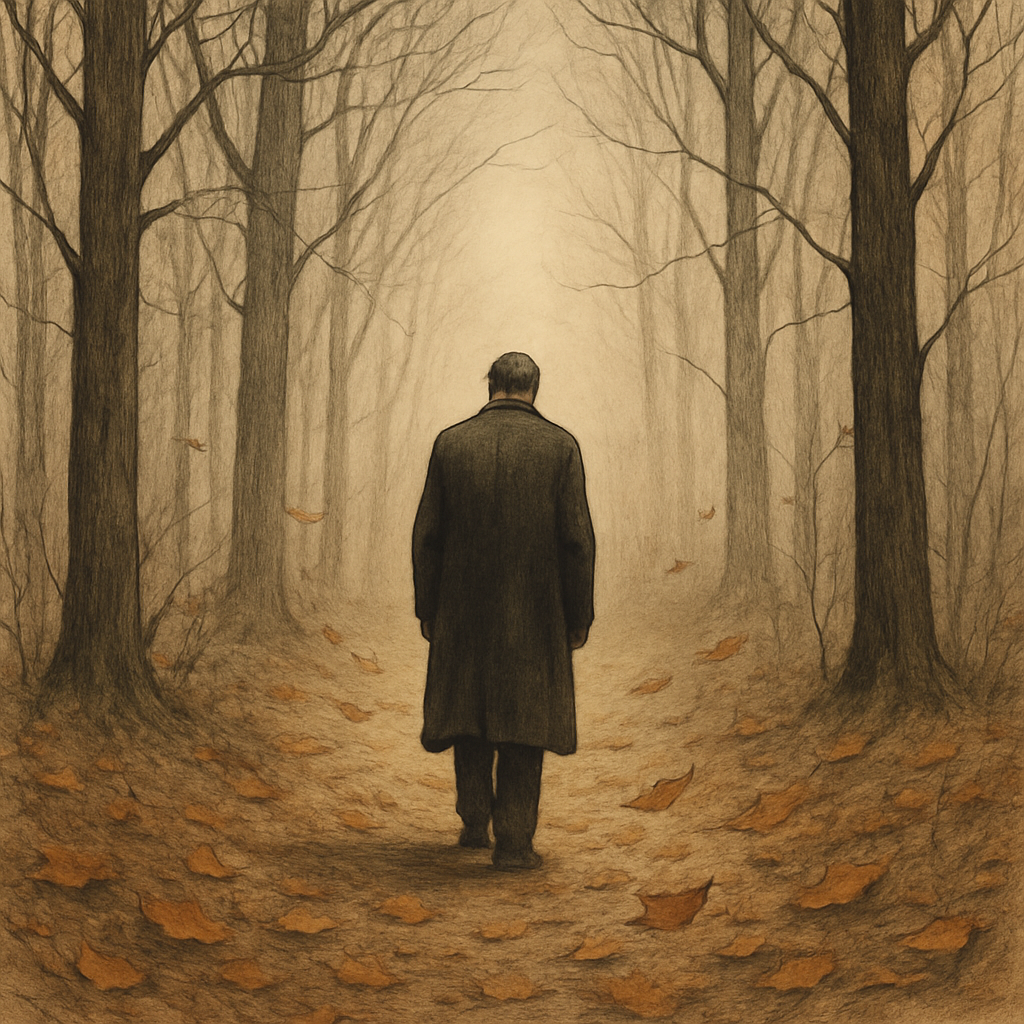

A solitary man walks through a wind-blown autumn grove — scene from Autumn Day by Rainer Maria Rilke.

Add Ririro as a Preferred Source on Google


Credits

Rainer Maria Rilke was a Bohemian-Austrian poet widely regarded as one of the most lyrically gifted writers in the German language. "Autumn Day" (*Herbsttag*), written in 1902 in Paris, is among his most celebrated early works and is often considered a turning point toward the deeper existential themes that would define his later masterpieces.