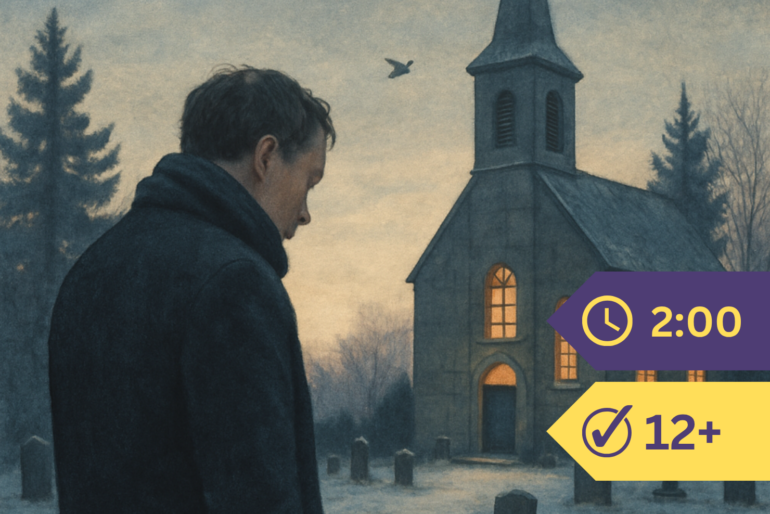
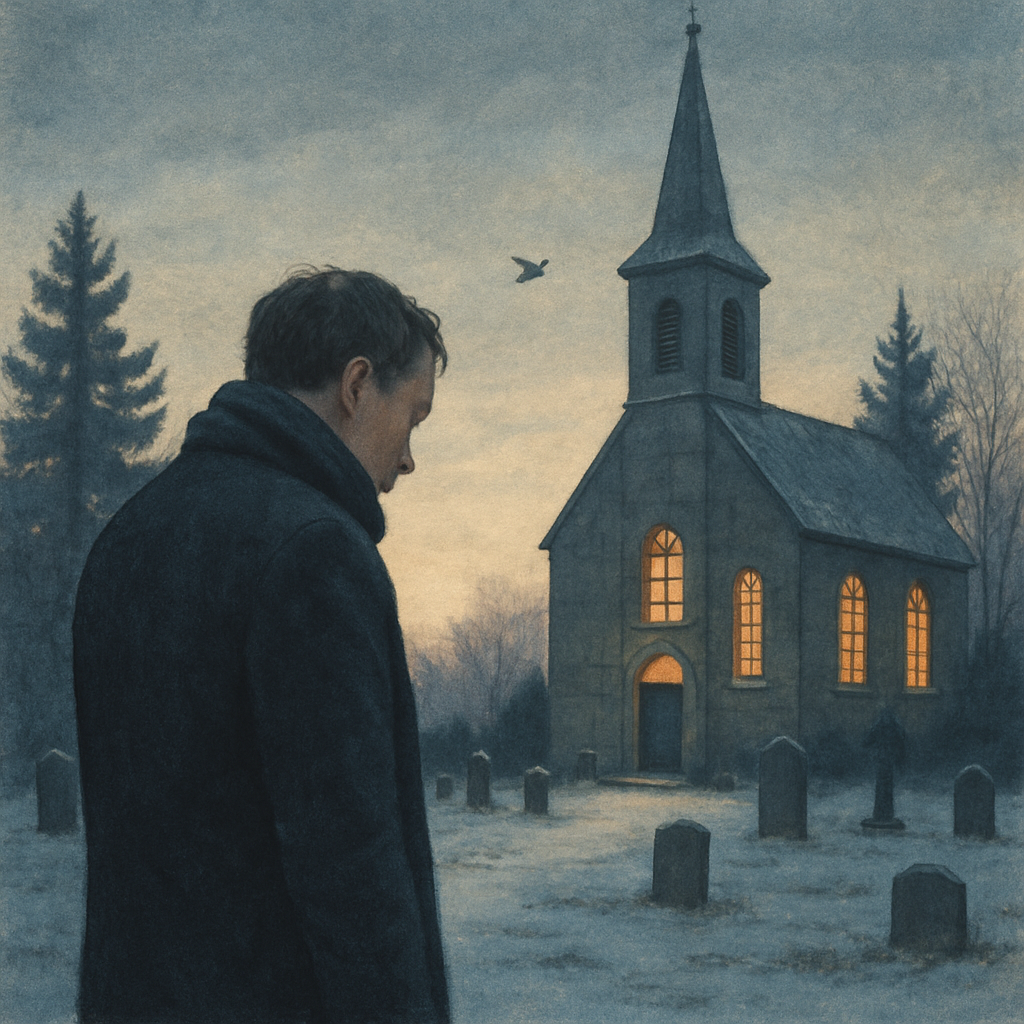
Hark, in the steeple the dull bell swinging
Over the furrows ill ploughed by Death!
Hark the bird-babble, the loud lark singing!
Hark, from the sky, what the prophet saith!
Hark, in the pines, the free Wind, complaining—
Moaning, and murmuring, “Life is bare!”
Hark, in the organ, the caught Wind, outstraining,
Jubilant rise in a soaring prayer!
Toll for the burying, sexton tolling!
Sing for the second birth, angel Lark!
Moan, ye poor Pines, with the Past condoling!
Burst out, brave Organ, and kill the Dark!
Sit on the ground, and immure thy sorrow;
I will give freedom to mine in song!
Haunt thou the tomb, and deny the morrow;
I will go watch in the dawning long!
For I shall see them, and know their faces—
Tenderer, sweeter, and shining more;
Clasp the old self in the new embraces;
Gaze through their eyes’ wide open door.
Loved ones, I come to you: see my sadness;
I am ashamed—but you pardon wrong!
Smile the old smile, and my soul’s new gladness
Straight will arise in sorrow and song!