Oh Christmas is coming again, you say,
And you long for the things he is bringing;
But the costliest gift may not gladden the day,
Nor help on the merry bells ringing.
Some getting is losing, you understand,
Some hoarding is far from saving;
What you hold in your hand may slip from your hand,
There is something better than having;
We are richer for what we give;
And only by giving we live.
Your last year’s presents are scattered and gone;
You have almost forgot who gave them;
But the loving thoughts you bestow live on
As long as you choose to have them.
Love, love is your riches, though ever so poor;
No money can buy that treasure;
Yours always, from robber and rust secure,
Your own, without stint or measure;
It is only love that we can give;
It is only by loving we live.
For who is it smiles through the Christmas morn—
The Light of the wide creation?
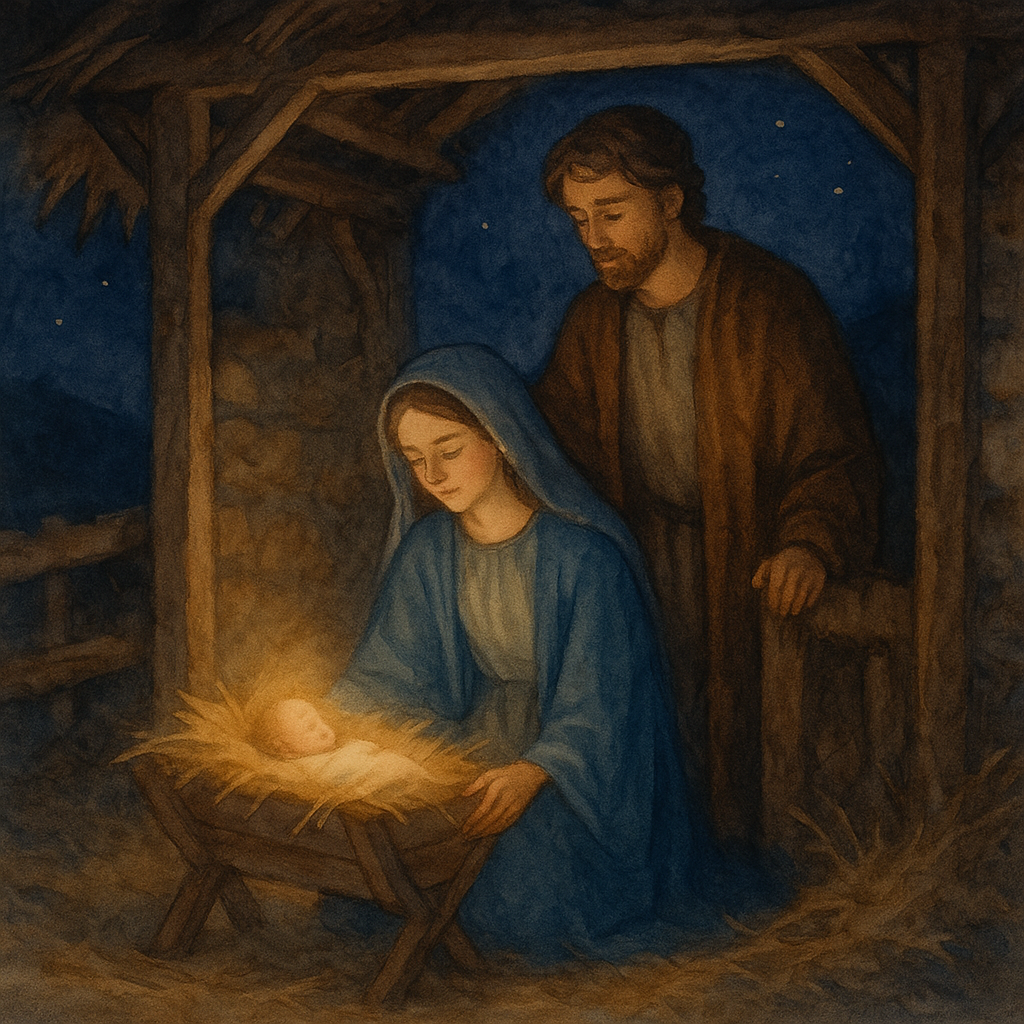
A dear little Child in a stable born,
Whose love is the world’s salvation.
He was poor on earth, but He gave us all
That can make our life worth the living;
And happy the Christmas day we call
That is spent, for His sake, in giving;
He shows us the way to live,
Like Him. Let us love and give!