Thou whose birth on earth
Angels sang to men,
While Thy stars made mirth,
Saviour, at Thy birth,
This day born again.
As this night was bright
With Thy cradle-ray,
Very light of light,
Turn the wild world’s night
To Thy perfect day.
God whose feet made sweet
Those wild ways they trod,
From Thy fragrant feet,
Staining field and street
With the blood of God;
God whose breast is rest
In time of strife,
In Thy secret breast
Sheltering souls opprest
From the heat of life;
God whose eyes are skies,
Love-lit as with spheres
By the lights that rise
To Thy watching eyes,
Orbèd lights of tears;
God whose heart hath part
In all grief that is,
Was not man’s the dart
That went through Thine heart,
And the wound not his?
Where the pale souls wail,
Held in bonds of death,
Where all spirits quail,
Came Thy Godhead pale
Still from human breath —
Pale from life and strife,
Wan with manhood, came
Forth of mortal life,
Pierced as with a knife,
Scarred as with a flame.
Thou the Word and Lord
In all time and space
Heard, beheld, adored,
With all ages poured
Forth before Thy face.
Lord, what worth in earth
Drew Thee down to die?
What therein was worth,
Lord, Thy death and birth?
What beneath Thy sky?
Light above all love
By Thy love was lit,
And brought down the Dove
Feathered from above
With the wings of it.
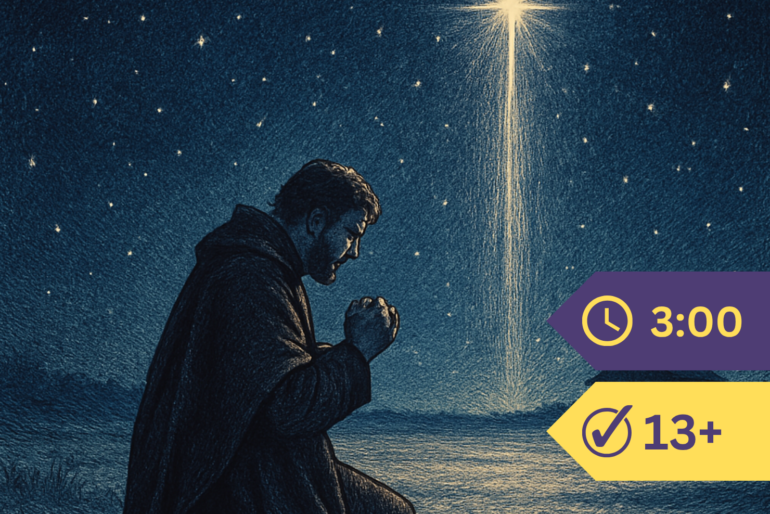
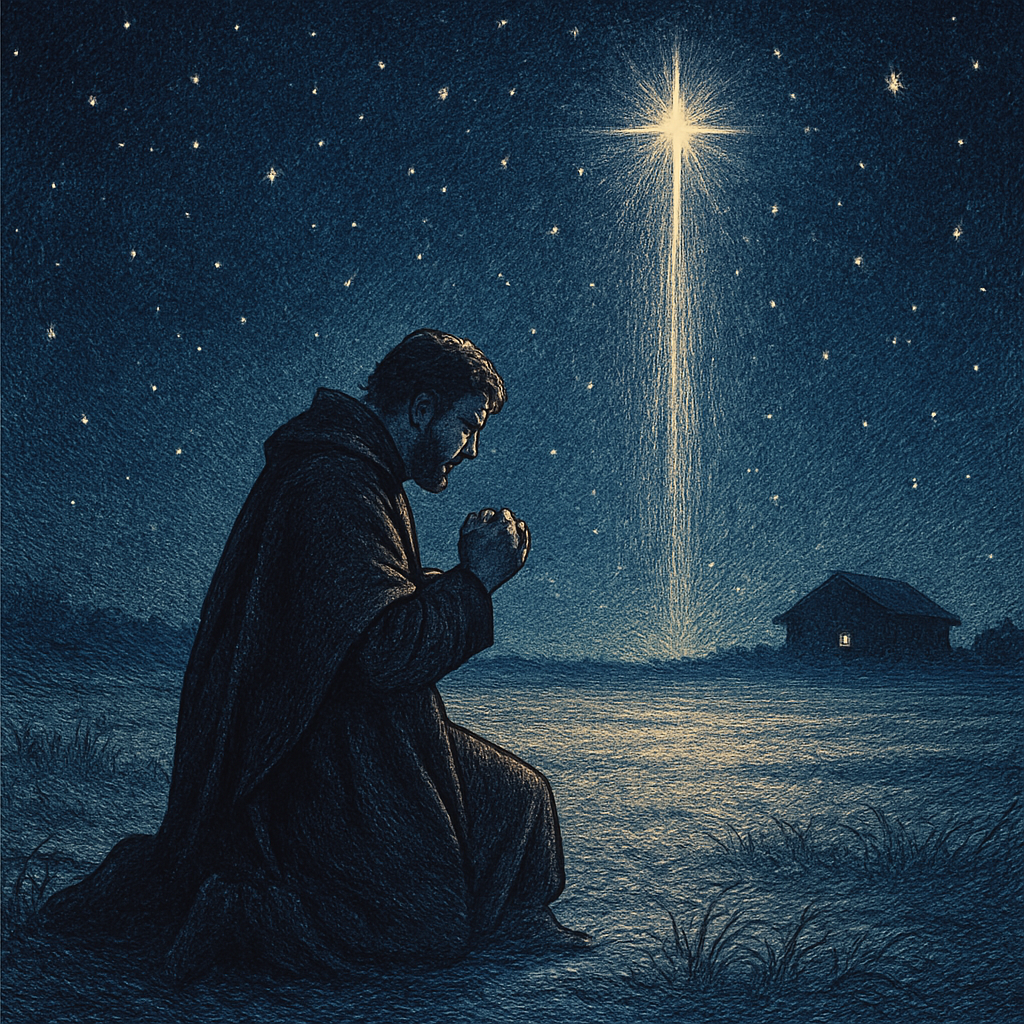
From the height of night,
Was not Thine the star
That led forth with might,
By no worldly light,
Wise men from afar?
Yet the wise men’s eyes
Saw Thee not more clear
Than they saw Thee rise,
Who in shepherd’s guise
Drew as poor men near.
Yet Thy poor endure,
And are with us yet;
Be Thy name a sure
Refuge for Thy poor
Whom men’s eyes forget.
Thou whose ways we praise,
Clear alike and dark,
Keep our works and ways,
This, and all Thy days,
Safe inside Thine ark.
Who shall keep Thy sheep,
Lord, and lose not one?
Who, save one, shall keep,
Lest the shepherds sleep?
Who beside the Son?
From the grave-deep wave,
From the sword and flame,
Thou, even Thou, shall save
Souls of king and slave
Only by Thy Name.
Light not born with morn,
Or her fires above,
Jesus, virgin-born,
Held of men in scorn,
Turn their scorn to love.
Thou whose face gives grace
As the sun’s doth heat,
Let Thy sunbright face
Lighten time and space
Here beneath Thy feet.
Bid our peace increase,
Thou that madest morn;
Bid oppressions cease,
Bid the night be peace,
Bid the day be born.