There was a king who had three daughters, and he wanted to know which of them loved him most. He had tried various tests, and the youngest always came out ahead — but he had it fixed in his head that the older ones must love him more, and he could not quite let go of the idea.
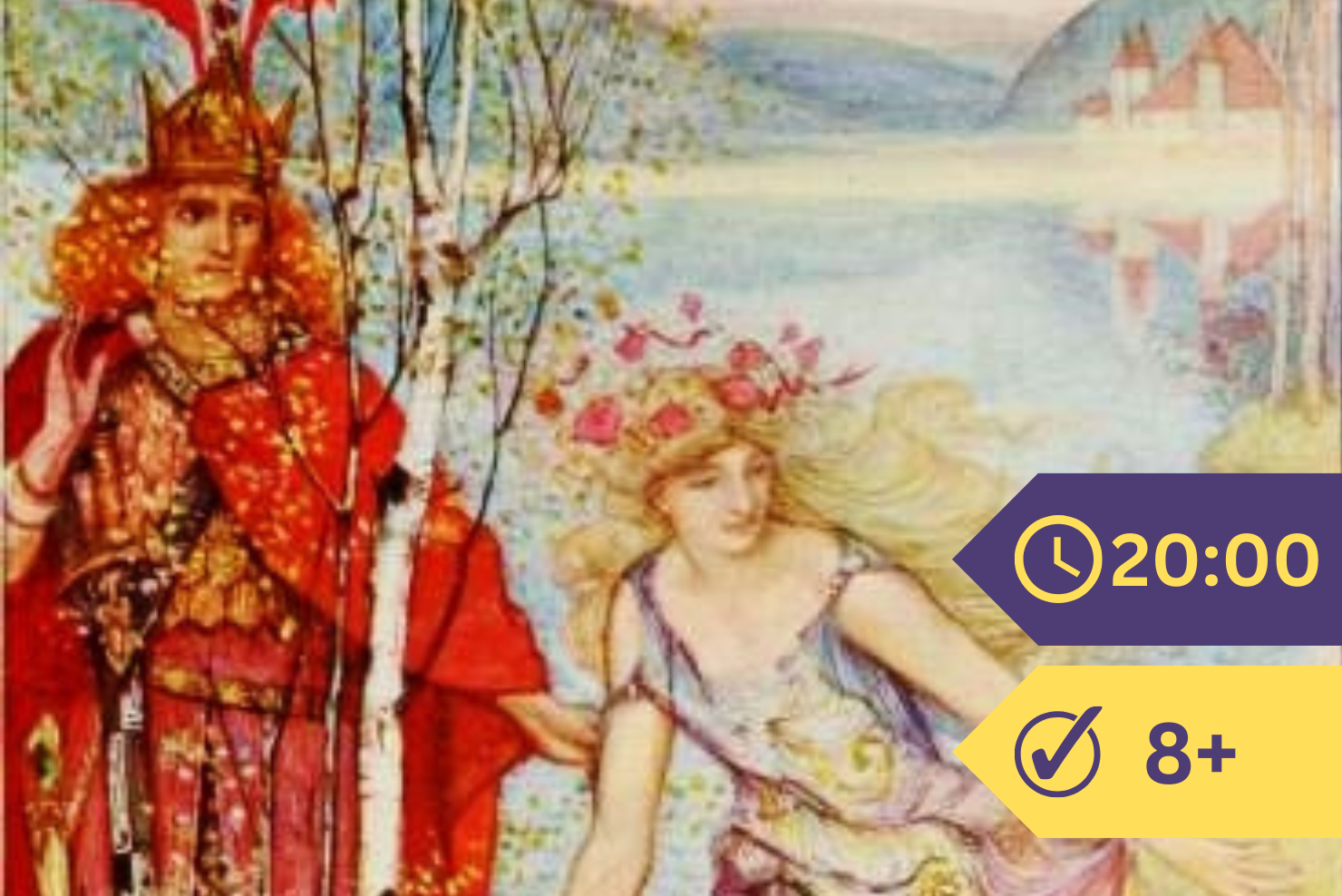
One day he called each daughter aside and asked her directly how much she loved him.
The eldest said: “As much as bread.”
The king was pleased. Bread was the first necessity of life — a love as deep and essential as that.
The second said: “As much as wine.”
The king was satisfied. Almost as good.
The youngest said: “As much as salt.”
The king’s face fell. Salt — the cheapest, plainest thing on any table? “This is as much as saying she doesn’t love me at all,” he thought bitterly. He had always suspected it.
He gave orders that a wing of the palace be closed off and furnished for her. She would live there alone, have everything she needed for her station, and never come near him again.
She was miserable. She didn’t pine for comfort or company — she pined for her father. But there was nothing to be done.
The rooms she’d been given looked onto an inner courtyard, where the cook sometimes came to wash vegetables at the fountain. She called down to him one morning and asked for a favour.
“Cook one of Papa’s dinners without a single grain of salt in anything. Not in the soup, not in the meat, not in the sauces, not anywhere.”
The cook was a perceptive man. He said, “I see,” and went to do it.
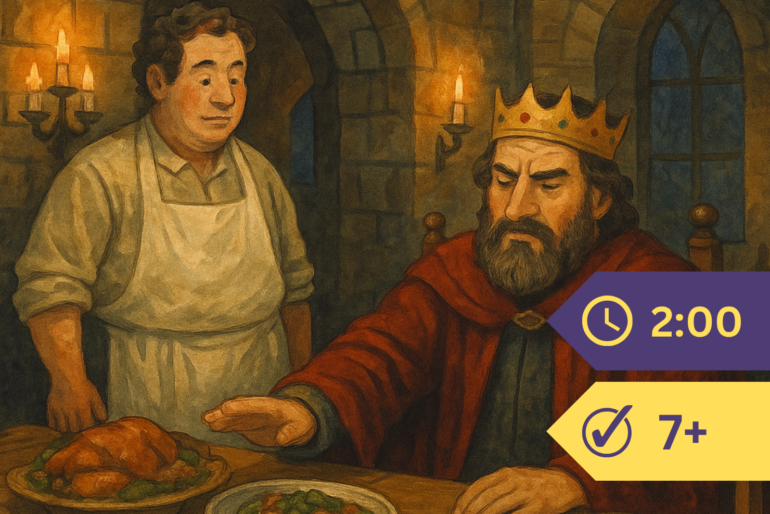
That afternoon the king sat down to a dinner in which everything was perfectly prepared, correctly cooked, beautifully presented, and completely inedible. He pushed dish after dish away. He sent for the cook.
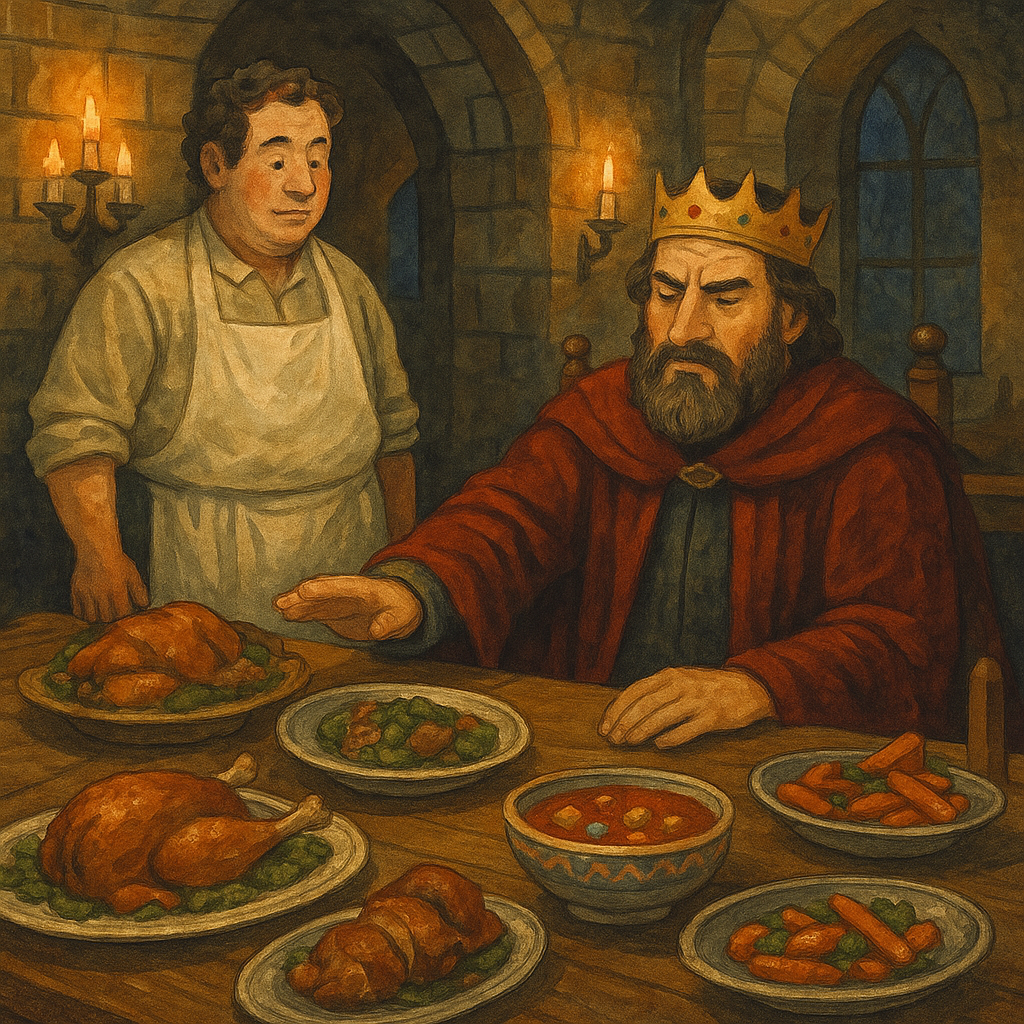
“What have you done? There’s not a single thing here that has any taste.”
The cook explained: his Majesty had declared salt to be the most worthless and contemptible thing that came to table. The cook had therefore judged it unworthy of the royal kitchen and removed it entirely. In every other respect, the dishes were identical to those served every day.
The king sat for a long moment.
Then he understood the value of salt. And he understood what his youngest daughter had meant. He sent for her immediately, and she came home to him, and did not leave again.