Once there was a rich couple with twelve sons. When the youngest was grown, he wouldn’t stay at home any longer. He had to go out into the world and seek his fortune. His parents said he was well off at home, but he couldn’t rest, and at last they let him go. After walking a long way, he came to a king’s palace and asked for work, and got it.
Now the king’s only daughter had been carried off into the mountains by a troll. The king and all his people were full of sorrow, and he had promised the princess and half his kingdom to anyone who could set her free. Many had tried; no one had succeeded.
After a year or so at the palace, the youth wanted to visit his parents. But when he got home he found them dead and his brothers had divided everything between themselves, so that nothing was left for him.
“Do I get nothing of my inheritance?” he asked.
“Who knew you were still alive, after wandering so long?” said his brothers. “But there are twelve mares out on the hills that we haven’t divided yet. You can have those.”
The youth thanked them and went up to the hills. Each mare had a foal, and beside one of them stood a big dapple-grey foal, so sleek that it shone.
“Well, little foal, you’re a fine fellow!” said the youth.
“Yes,” said the foal, “and if you’ll send the other foals away so that I can have all the mares’ milk for a year, you’ll see how big and handsome I’ll be.”
So the youth led the twelve foals off to another pasture and went home.
The next year, when he came back, the dapple was fat and gleaming and so big that the youth could hardly climb on his back, and each of the mares had another foal.
“I’ve lost nothing by it,” said the youth. “But you’re big enough now. Come with me.”
“No,” said the colt. “Stay one more year. Send the foals away again, so I can have all the milk, and you’ll see how big and handsome I’ll be by summer.”
He did, and the next year the colt was so tall that the youth couldn’t reach his neck to feel how fat he was, and his coat was so bright that the light glanced off it.
“Last year you were big and handsome, and now you’re handsomer still,” said the youth. “There’s no horse like you in the king’s whole court. Now you must come away with me.”
“No,” said the colt. “One more year. Send the foals off once more, and come look at me in the summer.”
So the youth did it again. The next year, when he came back, he was astonished. He had never imagined a horse could be so big. The dappled horse had to lie down on all fours before the youth could get on his back, and even then it was hard, and his coat shone like a looking-glass. This time the horse was willing to go. When the youth rode home to his brothers, they threw up their hands and crossed themselves, for they had never seen or heard of such a horse.
“If you’ll get me the best shoes for my horse, and the grandest saddle and bridle you can find,” said the youth, “you can have all twelve mares just as they stand, and the twelve foals as well.” The brothers were happy to agree. The youth got shoes so strong that sticks and stones flew into the air as he rode away across the hills, and a saddle and bridle of gold that glittered from far away.
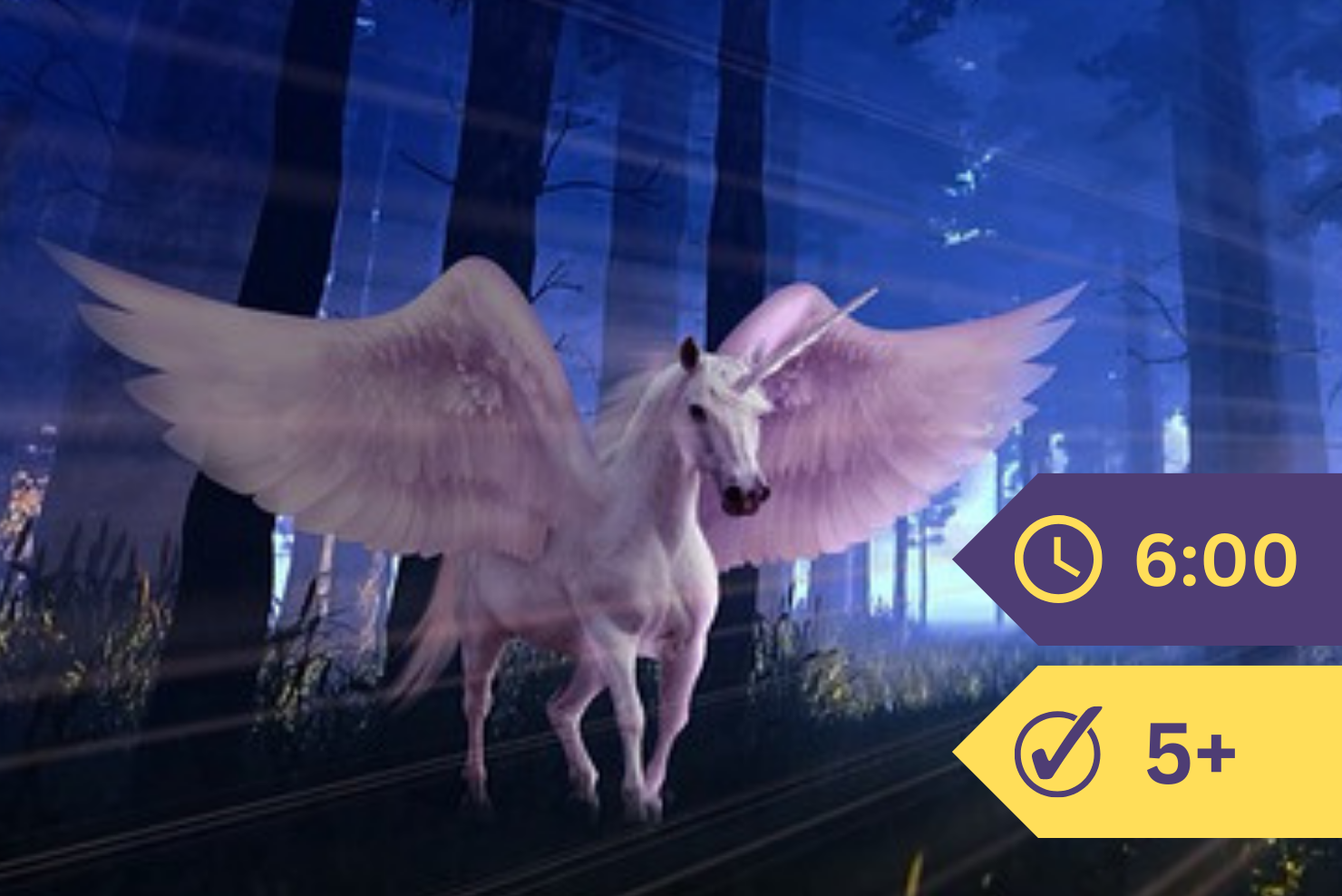
“Now we’ll go to the king’s palace,” said the horse, whose name was Dapplegrim. “But remember: you must ask the king for a good stable and the best fodder for me.”
The youth promised, and with such a horse it didn’t take him long to get there.
When he arrived, the king was standing out on the steps, and he stared at the youth and his horse. “Yes, but I must have a good stable and excellent fodder for my horse,” said the youth. They promised him sweet hay and oats, and as much as the dapple horse wanted, and all the other riders had to take their horses out of the stable so that Dapplegrim could stand alone with plenty of room.
But this didn’t last long. The other people at court grew envious of the lad and would have done anything to harm him if they’d dared. At last they told the king that the youth had said he could rescue the princess from the troll.
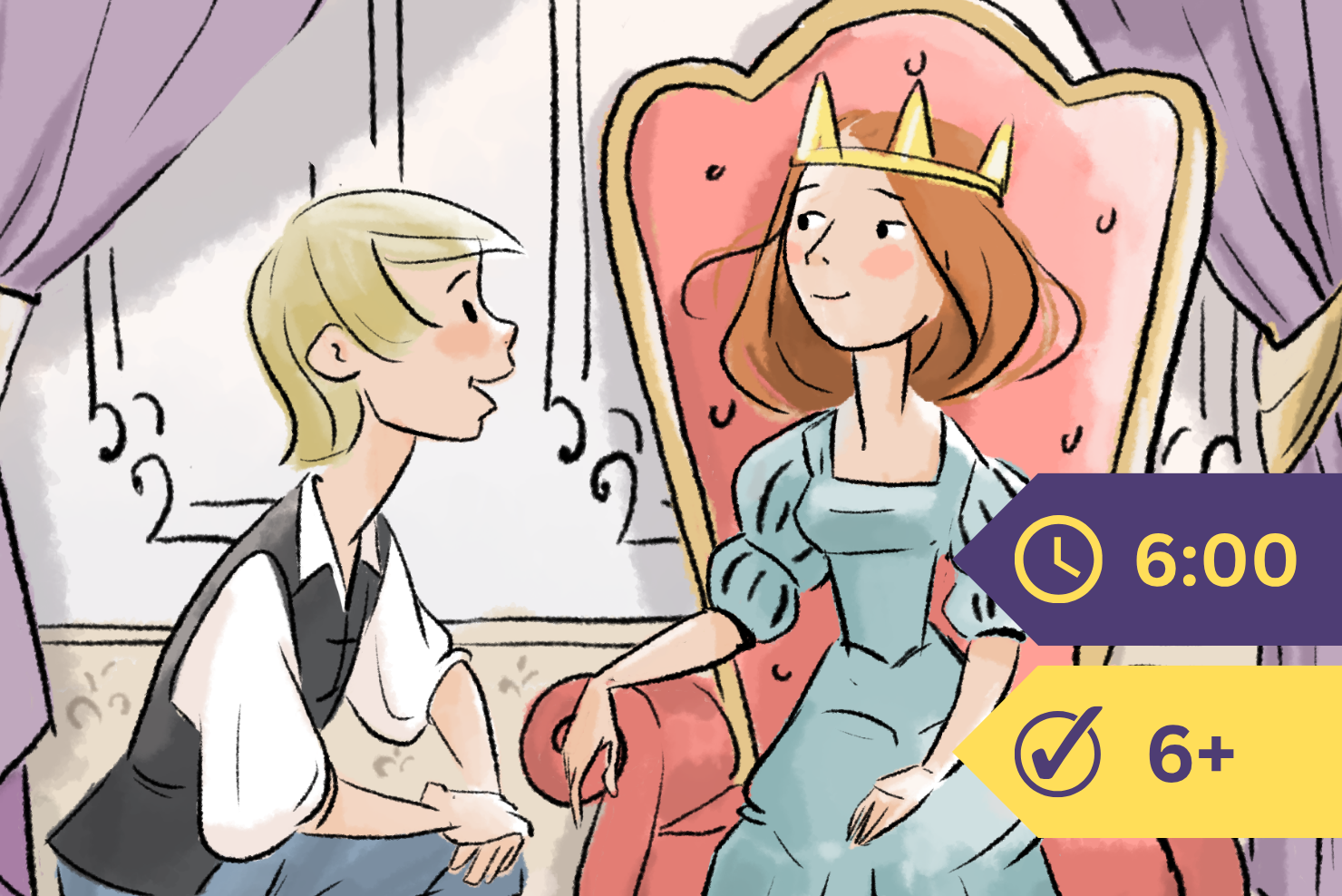
The king summoned the youth. “I’m told you can rescue my daughter, so now you must. If you succeed, you know I’ve promised her and half my kingdom. But if you fail, you’ll die.” The youth denied ever saying it, but the king wouldn’t listen. There was nothing to do but say he’d try.
He went down to the stable, sad and worried, and told Dapplegrim that rescuing the princess was impossible.
“It can be done,” said Dapplegrim. “I’ll help. But first I must be well shod. Ask for ten pounds of iron and twelve pounds of steel, and a smith to hammer and another to hold.”
The youth asked and got them, and Dapplegrim was shod strongly and well. As the youth rode out of the palace, a cloud of dust rose behind him.
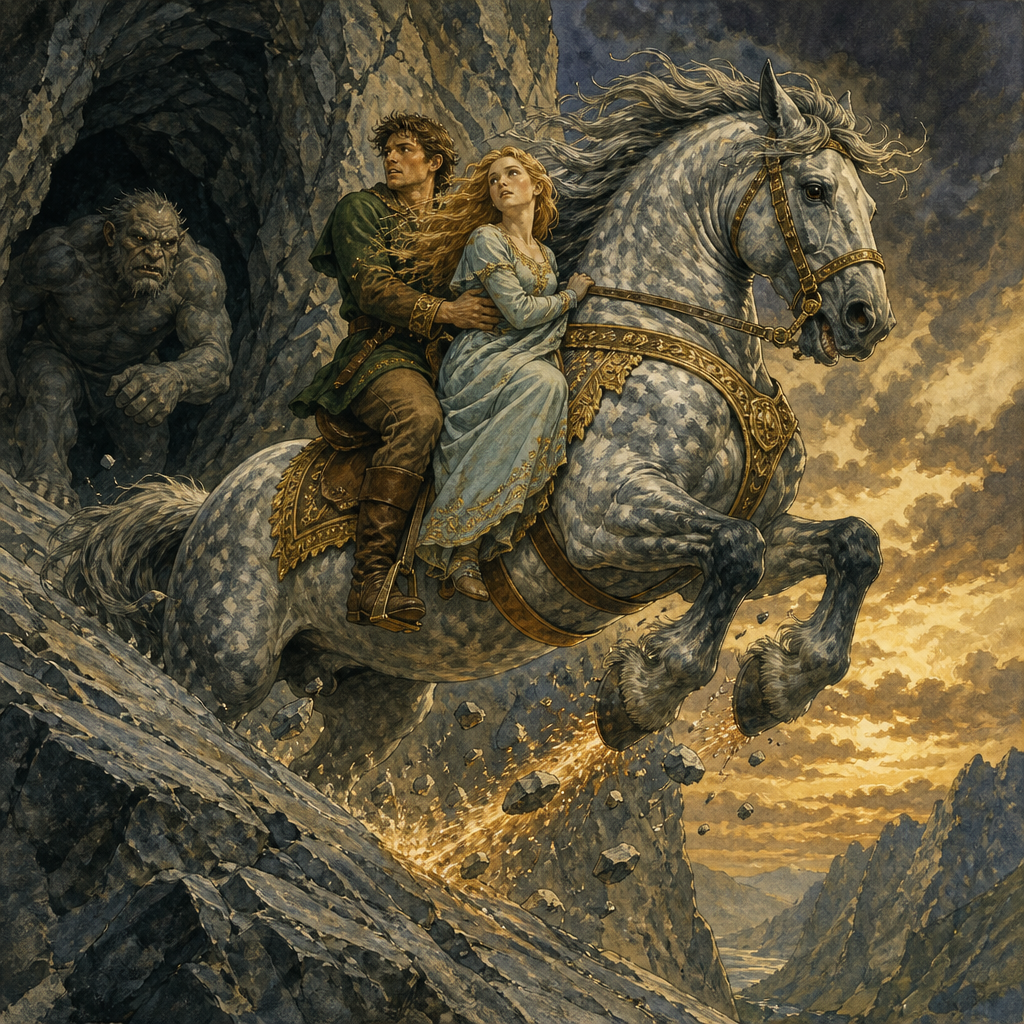
When he reached the mountain where the princess was held, he met a rock wall as steep as a house and as smooth as glass. The first time he rode at it, he got a little way up, but Dapplegrim’s forelegs slipped and they fell with a noise like thunder. The second time, they got a little higher, then slid down like a landslide. The third time, Dapplegrim said, “Now we’ll show what we can do,” and charged until stones flew skyward, and they got up. Then the youth galloped into the cleft in the mountain, snatched up the princess onto his saddle, and rode out before the troll could even stand. Thus the princess was freed.
The king was delighted to have his daughter back. But the courtiers had worked on him, and he was angry with the youth. “Thank you for setting the princess free,” he said, and turned away.
“She should be as much my princess now as yours,” said the youth. “You are a man of your word.”
“Yes, yes,” said the king. “You shall have her. But first you must make the sun shine into my palace.”
A big, tall hill outside the windows overshadowed the palace so that the sun never came in.
“That wasn’t in our bargain,” said the youth. “But I suppose I must try, for I mean to have the princess.”
He went down to Dapplegrim, who said it could easily be done, but he needed new shoes, ten pounds of iron, twelve pounds of steel, and two smiths. The king, who thought it would be shameful to refuse, gave them. The youth mounted Dapplegrim, and with every hop, the hill sank fifteen ells into the ground, until no hill was left for the king to see.
The youth rode back and asked if the princess was his now, because surely nobody could say the sun wasn’t shining in. But the courtiers had stirred up the king again. He said the youth would have her, and had always meant him to, but first he must find her a bridal horse as good as his own, or lose his life.
“You never said that,” said the youth, who felt he’d earned the princess. But the king held to his word. The youth went to the stable, sad and sorrowful, and told Dapplegrim. “It won’t be easy, for your equal isn’t to be found anywhere.”
“There is one,” said Dapplegrim. “But he’s underground and not easy to get. We’ll try. Ask the king for new shoes, again ten pounds of iron and twelve of steel, two smiths, and be sure the spikes are sharp. Ask for twelve barrels of rye, twelve slaughtered oxen, twelve ox-hides with twelve hundred spikes set in each, and a barrel with twelve tons of tar.”
The youth went to the king and asked for it all, and since refusing would have been disgraceful, he got it.
So he mounted Dapplegrim and rode away from the court, over hills and moors, for a long, long time. Then Dapplegrim asked, “Do you hear anything?”
“Yes. A dreadful whistling in the air. I think I’m getting frightened.”
“That’s all the wild birds in the forest. They’ve been sent to stop us. Cut holes in the corn sacks, and they’ll be so busy they’ll forget us.”
The youth did it, and the barley and rye spilled out. The birds came in such numbers that they darkened the sun, but when they saw the grain, they couldn’t help themselves. They dropped down and began to scratch and peck and soon were fighting among themselves, forgetting the youth and Dapplegrim entirely.
They rode on for a long time, over hill and dale, rocks and bogs. Dapplegrim listened again. “Do you hear anything now?”
“Yes, a dreadful crackling and crashing in the forest on every side.”
“That’s the wild beasts. They’ve been sent to stop us. Throw out the twelve oxen, and they’ll be so occupied with them that they’ll forget us.”
He threw them out, and bears, wolves, lions, and every kind of fierce animal appeared. But when they saw the oxen they began to fight over them, and they forgot Dapplegrim and the youth.
On they rode, and saw many new sights, for travelling on Dapplegrim’s back wasn’t slow. Then Dapplegrim neighed.
“Do you hear anything?”
“Yes, a foal neighing a long way off.”
“That’s a full-grown colt, if you can hear him from so far away.”
They travelled on, and Dapplegrim neighed again. “Now?”
“Now I heard it clearly, and it was a full-grown horse.”
“Yes, and soon you’ll hear what a voice he has.”
They went on across different country, and Dapplegrim neighed a third time. Before he could ask, there was such a neighing across the heath that the youth thought hills and rocks would split.
“He’s here!” said Dapplegrim. “Quick! Throw the spiked ox-hides over me and pour the twelve tons of tar over the field, then climb up that big spruce tree. When he comes, fire will shoot from his nostrils and the tar will catch. Watch carefully: if the flames rise, I’m winning, and if they sink, I’m losing. If you see I’m winning, take the bridle off me and throw it over his head, and he’ll become gentle.”
The youth flung the spiked hides over Dapplegrim and spread the tar over the field, and had just reached the spruce when a horse came with flames pouring from his nostrils. The tar caught fire at once, and the two horses fought until stones flew up to the sky. They bit and kicked with fore legs and hind legs. Sometimes the youth watched the horses and sometimes he watched the tar, until at last the flames began to rise. Wherever the strange horse bit or kicked, he hit the spikes in the hides, and in the end he gave in. The youth climbed down and threw the bridle over his head, and the horse became so tame that he could have been led by a thread.
This horse was dappled too, and so like Dapplegrim that nobody could tell them apart. The youth rode him home to the king’s palace with Dapplegrim running loose beside them. The king was standing in the courtyard.
“Can you tell which horse I’ve just caught and which I had before?” said the youth. “If not, I think your daughter is mine.”
The king looked at both dappled horses, high and low, before and behind, and couldn’t see a hair’s difference.
“No, I can’t tell,” said the king. “And since you’ve found my daughter such a splendid bridal horse, you shall have her. But one more trial, to see whether it is fated. She shall hide twice, and you shall hide twice. If you find her both times, and she doesn’t find you, it is fated, and you shall have her.”
“That wasn’t part of the bargain either,” said the youth. “But we’ll try.”
The princess went first. She turned herself into a duck and swam on the lake outside the palace. The youth went to the stable and asked Dapplegrim what she’d done.
“Take your gun, go down to the lake, and aim at the duck, and she’ll soon show herself.”
He grabbed his gun and ran to the lake. “I’ll just have a shot at that duck,” he said, aiming.
“Oh, no, dear friend, don’t shoot! It’s me,” said the princess. He’d found her once.
The second time she turned herself into a loaf of bread and lay on the table among four other loaves, so like them that nobody could tell the difference. The youth went to Dapplegrim again.
“Take a big bread knife, sharpen it, and pretend you’ll cut the third of the four loaves on the kitchen table. Count from the right.”
The youth went up to the kitchen and sharpened the biggest knife he could find. He took hold of the third loaf and set the knife to it. “I’ll have a bit of this bread.”
“No, dear friend, don’t cut! It’s me!” said the princess. He’d found her twice.
Now it was his turn. Dapplegrim had given him good instructions. First he turned himself into a horsefly and hid in Dapplegrim’s left nostril. The princess poked everywhere, high and low, and wanted to look in Dapplegrim’s stall, but Dapplegrim bit and kicked so that she dared not go near. “I can’t find you,” she said. “You must show yourself.” Immediately the youth stood on the stable floor.
Dapplegrim told him what to do next. The youth turned himself into a lump of earth and stuck himself between the hoof and the shoe of Dapplegrim’s left forefoot. Again the princess searched inside and out until she came into the stable, and this time Dapplegrim let her into the stall. She peered high and low, but she couldn’t look under his hooves, for he stood too firmly for that. “You’ll have to show yourself,” she said, “for I can’t find you.” And in an instant the youth stood beside her on the stable floor.
“Now you’re mine!” he said to the princess. “You see, it’s fated,” he told the king.
“Yes, fated,” said the king. “What must be, must.”
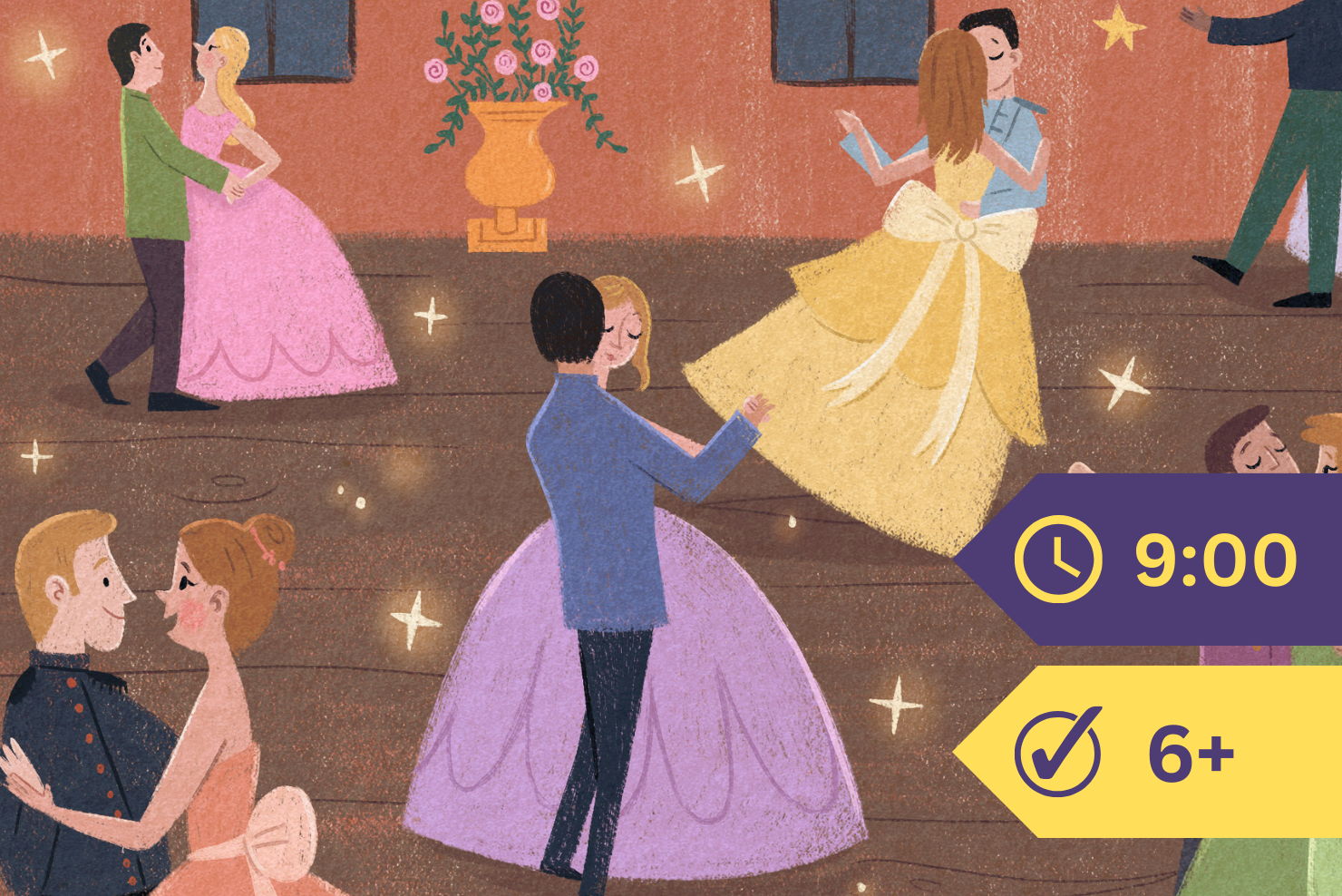
The wedding was prepared with great splendour and speed, and the youth rode to church on Dapplegrim, with the princess on the other horse. So you can see they weren’t long on the way.