
The Trumpeter Taken Prisoner

Summary


"The Trumpeter Taken Prisoner" is a short Aesop fable about a trumpeter who, captured by the enemy, pleads for his life on the grounds that he carries no weapon and has killed no one. His captors, however, see things differently — it is precisely his trumpet that makes him dangerous, rousing entire armies to battle without ever drawing a blade himself. The fable raises a sharp question about where true responsibility lies when actions inspire others to act.

Read Online

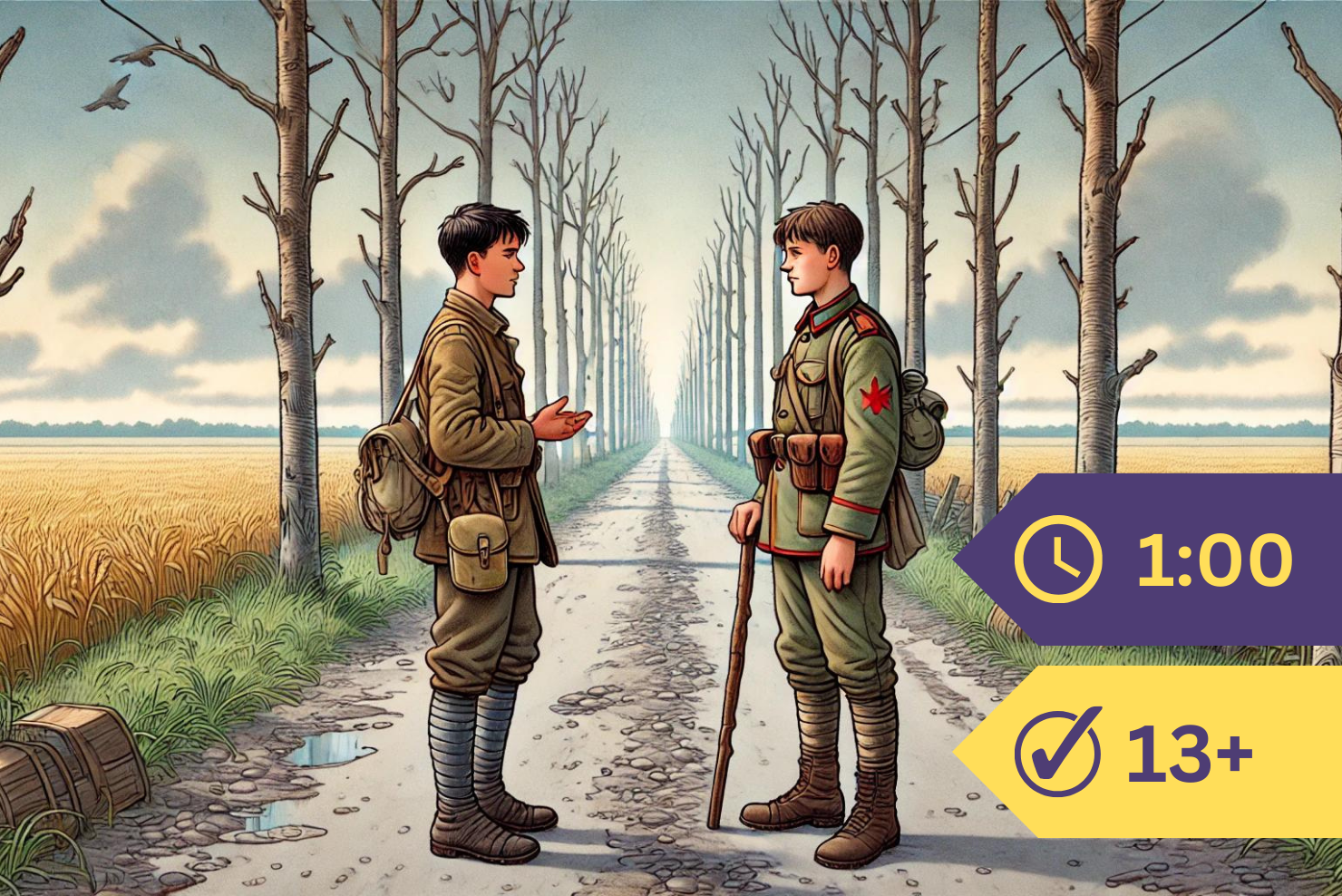
A Trumpeter, bravely leading on the soldiers, was captured by the enemy. He cried out to his captors, “Pray spare me, and do not take my life without cause or without inquiry. I have not slain a single man of your troop. I have no arms, and carry nothing but this one brass trumpet.” “That is the very reason for which you should be put to death,” they said; “for, while you do not fight yourself, your trumpet stirs all the others to battle.”



Credits

Aesop was an ancient Greek storyteller, believed to have lived around the 6th century BCE, whose fables have shaped moral literature across cultures for over two millennia. "The Trumpeter Taken Prisoner" is among his shorter, more pointed tales, using a single exchange to deliver its lesson on complicity and influence without a word wasted.