The Thrush and the Fowler

Summary


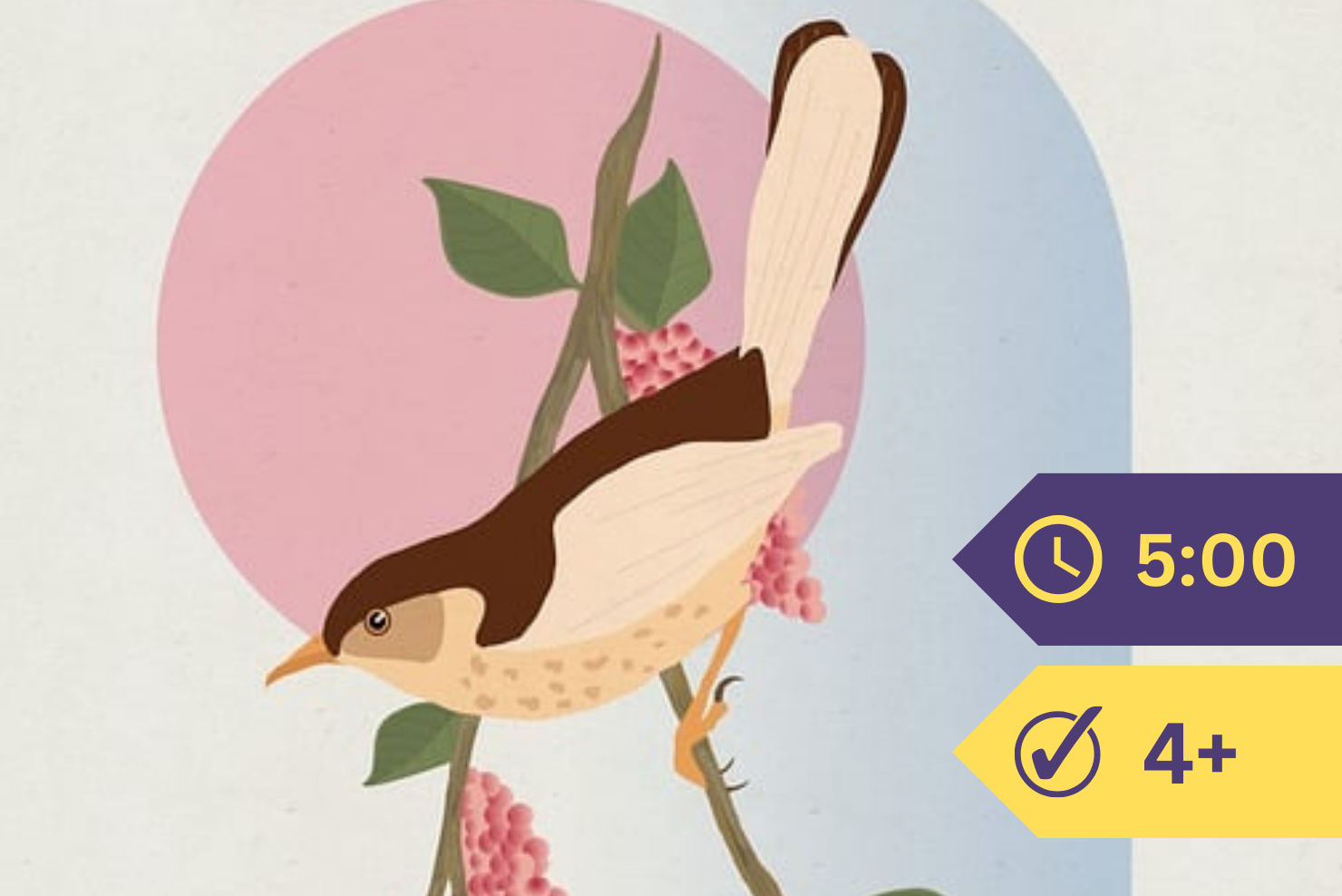
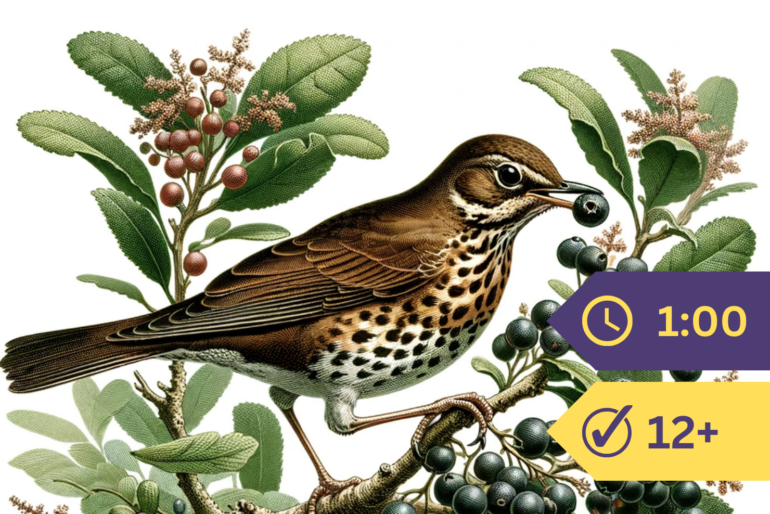
"The Thrush and the Fowler" is a short Aesop fable about a thrush so captivated by the sweet berries of a myrtle tree that she cannot bring herself to leave. Her stillness, born of pure pleasure, betrays her — a patient fowler notices, sets his limed reeds, and the trap is sprung. Only in her final moments does the thrush grasp the terrible cost of her indulgence, crying out in regret at what her greed for a little pleasant food has stolen from her.

Read Online

A Thrush was feeding on a myrtle-tree and did not move from it because its berries were so delicious. A Fowler observed her staying so long in one spot, and having well bird-limed his reeds, caught her. The Thrush, being at the point of death, exclaimed, “O foolish creature that I am! For the sake of a little pleasant food I have deprived myself of my life.”


Credits

Aesop was an ancient Greek storyteller, believed to have lived around 620–564 BCE, whose fables have shaped moral literature across the world for over two millennia. "The Thrush and the Fowler" is a characteristically concise Aesop fable, delivering its warning about the dangers of temptation in just a handful of sentences — letting the thrush's own dying words carry the full weight of the lesson.