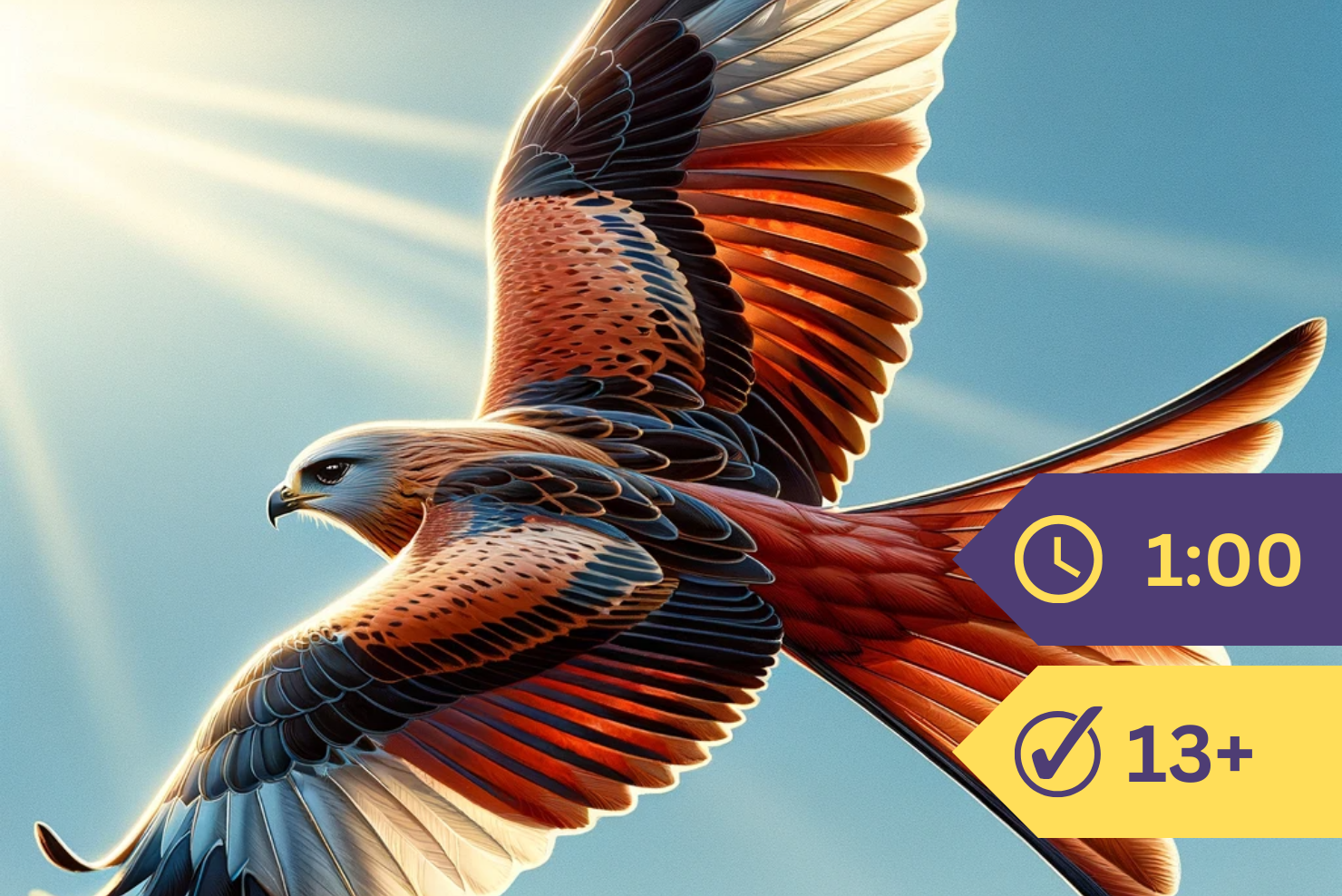
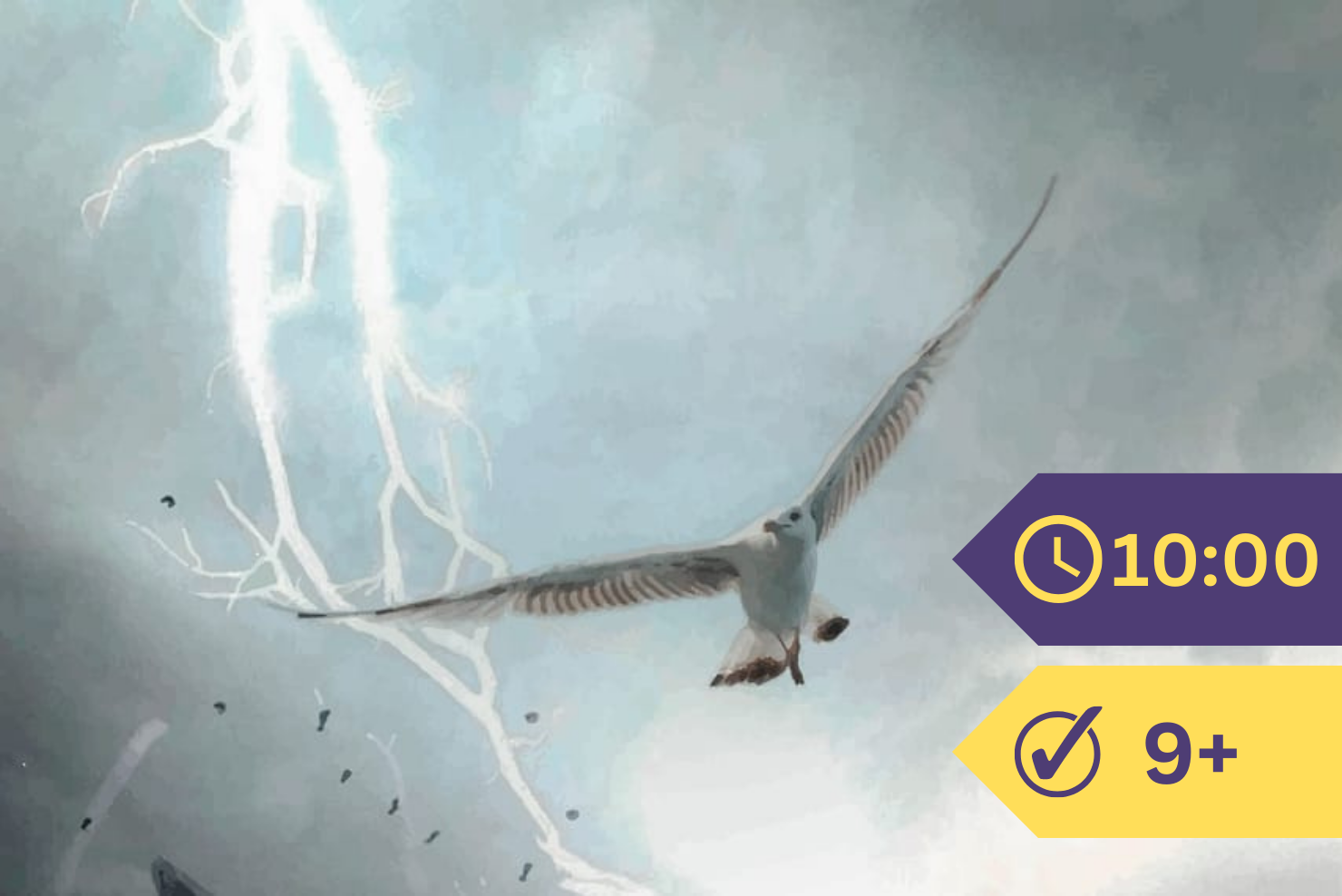
A Seagull having bolted down too large a fish, burst its deep gullet-bag and lay down on the shore to die. A Kite saw him and exclaimed: “You richly deserve your fate; for a bird of the air has no business to seek its food from the sea.”


 Read Anywhere, Anytime

"The Seagull and the Kite" is a short fable by Aesop in which a seagull's greed proves fatal. After swallowing a fish far too large for its gullet, the seagull collapses on the shore, dying from its own excess. A kite witnesses the scene and offers no sympathy — only a blunt verdict. The story captures the consequences of overreaching one's natural boundaries, delivering its moral with the swift, unsparing precision that defines Aesop's storytelling.
A Seagull having bolted down too large a fish, burst its deep gullet-bag and lay down on the shore to die. A Kite saw him and exclaimed: “You richly deserve your fate; for a bird of the air has no business to seek its food from the sea.”
Aesop was an ancient Greek storyteller, believed to have lived around 620–564 BCE, whose fables have been retold across centuries and cultures. His tales are celebrated for distilling human — and animal — folly into compact, memorable moral lessons. "The Seagull and the Kite" is notable for the kite's cool, judgmental tone, which places the moral weight not in the tragedy itself but in a bystander's sharp rebuke.