The Rivers and the Sea

Summary


"The Rivers and the Sea" is a concise Aesop fable in which the rivers unite to confront the sea with a bold complaint: why does it turn their fresh, sweet waters salty and undrinkable? The sea's reply is as sharp as it is simple — if you dislike the change, stop flowing into me. The exchange cuts to the heart of blame and personal responsibility, asking whether those who willingly enter a situation have any right to resent its consequences.


Read Online

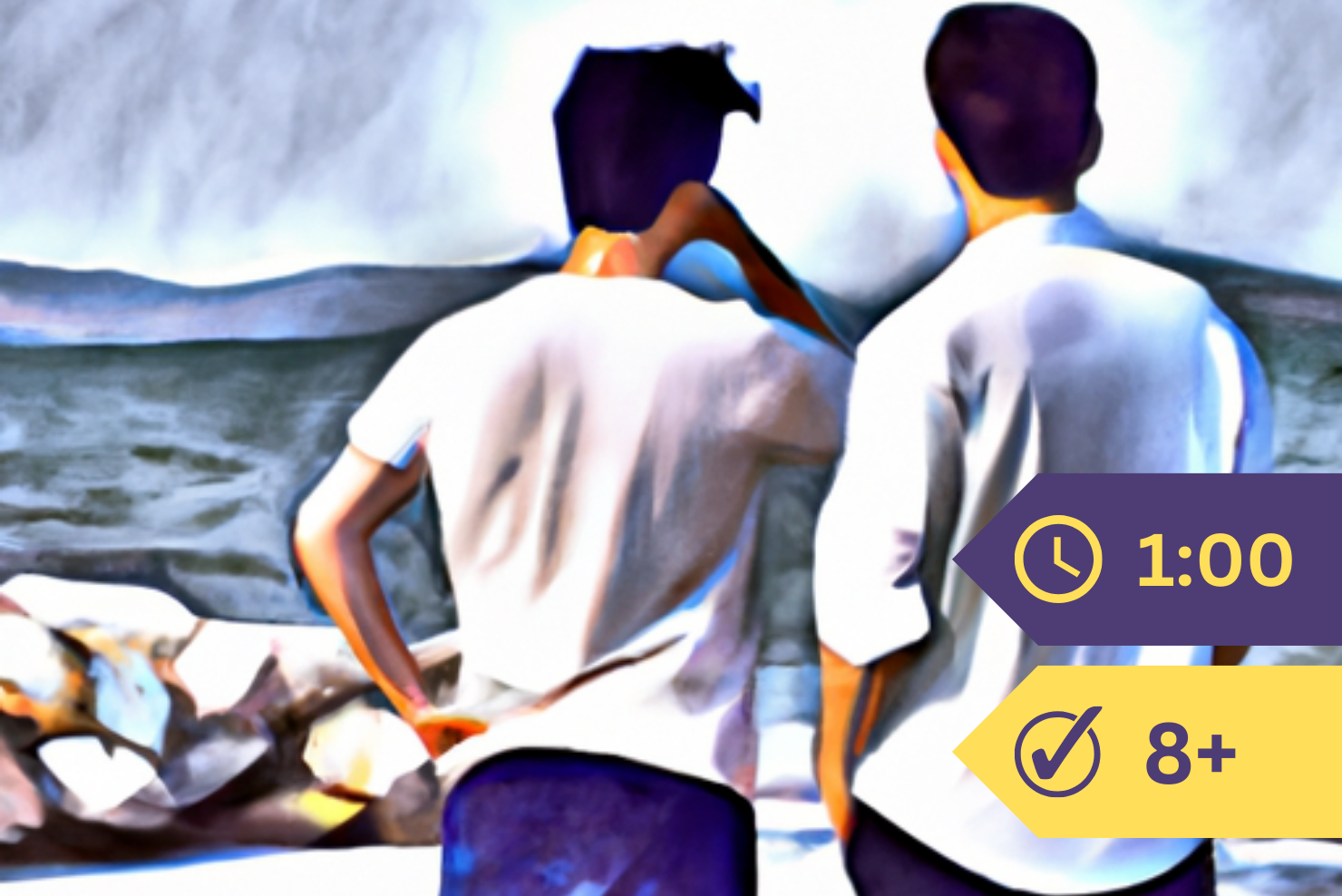
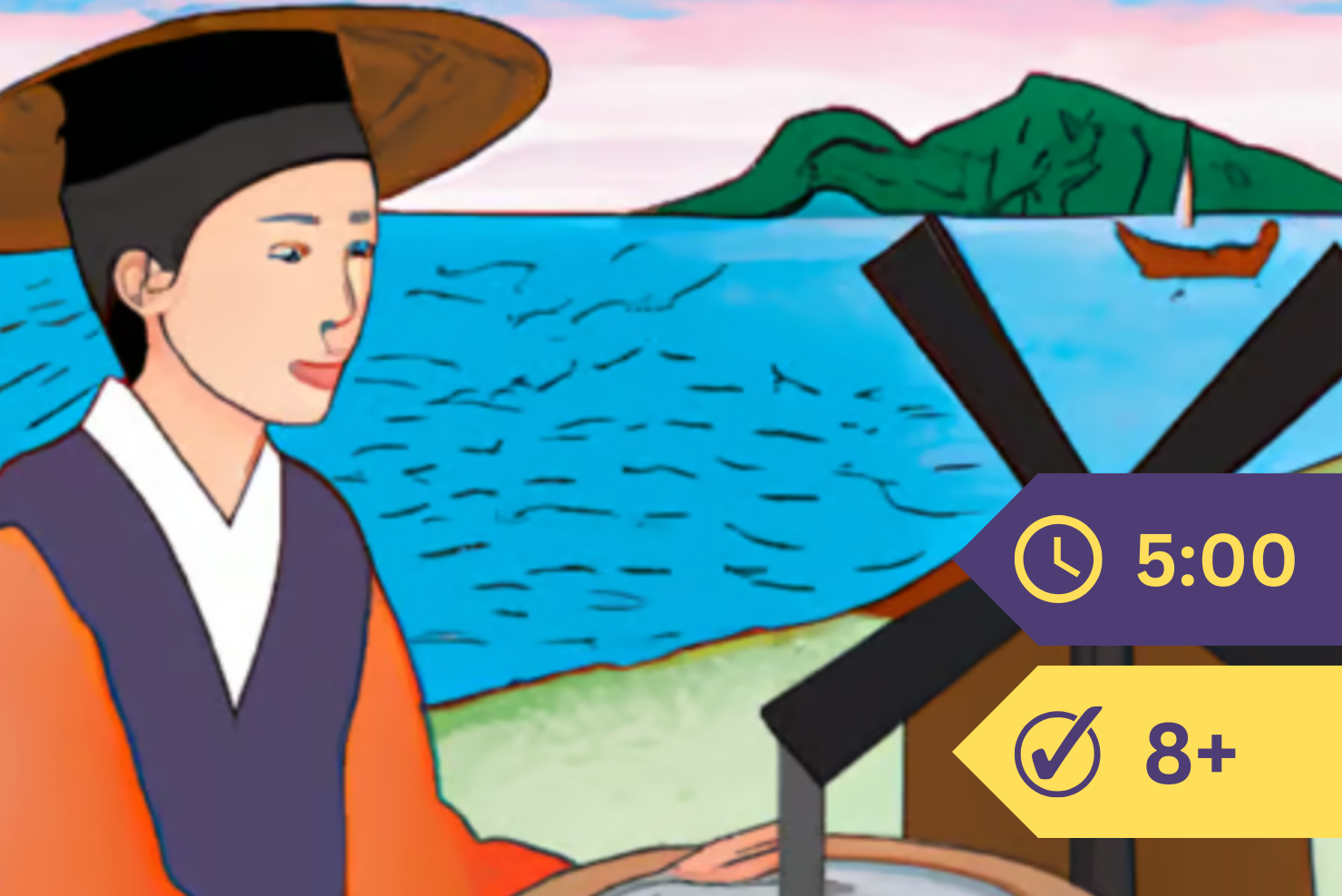
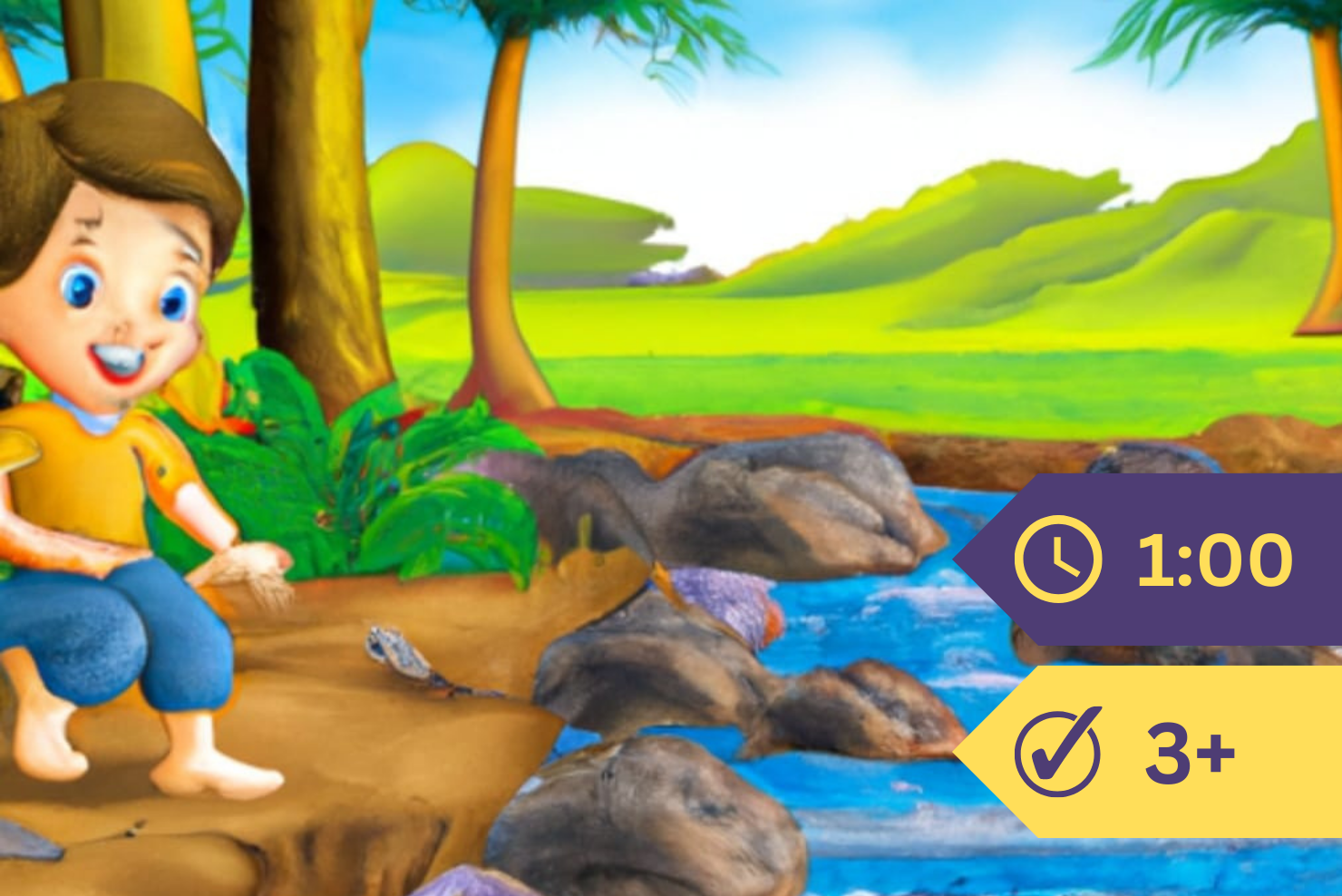
The Rivers joined together to complain to the Sea, saying, “Why is it that when we flow into your tides so potable and sweet, you work in us such a change, and make us salty and unfit to drink?” The Sea, perceiving that they intended to throw the blame on him, said, “Pray cease to flow into me, and then you will not be made briny.”


Credits

Aesop was an ancient Greek storyteller, traditionally believed to have lived around the 6th century BCE, whose fables have been retold and studied for over two millennia. "The Rivers and the Sea" is among his most economical works, delivering its moral in a single exchange of just two lines. Aesop's genius lay in using animals, nature, and everyday figures to expose timeless truths about human behaviour.