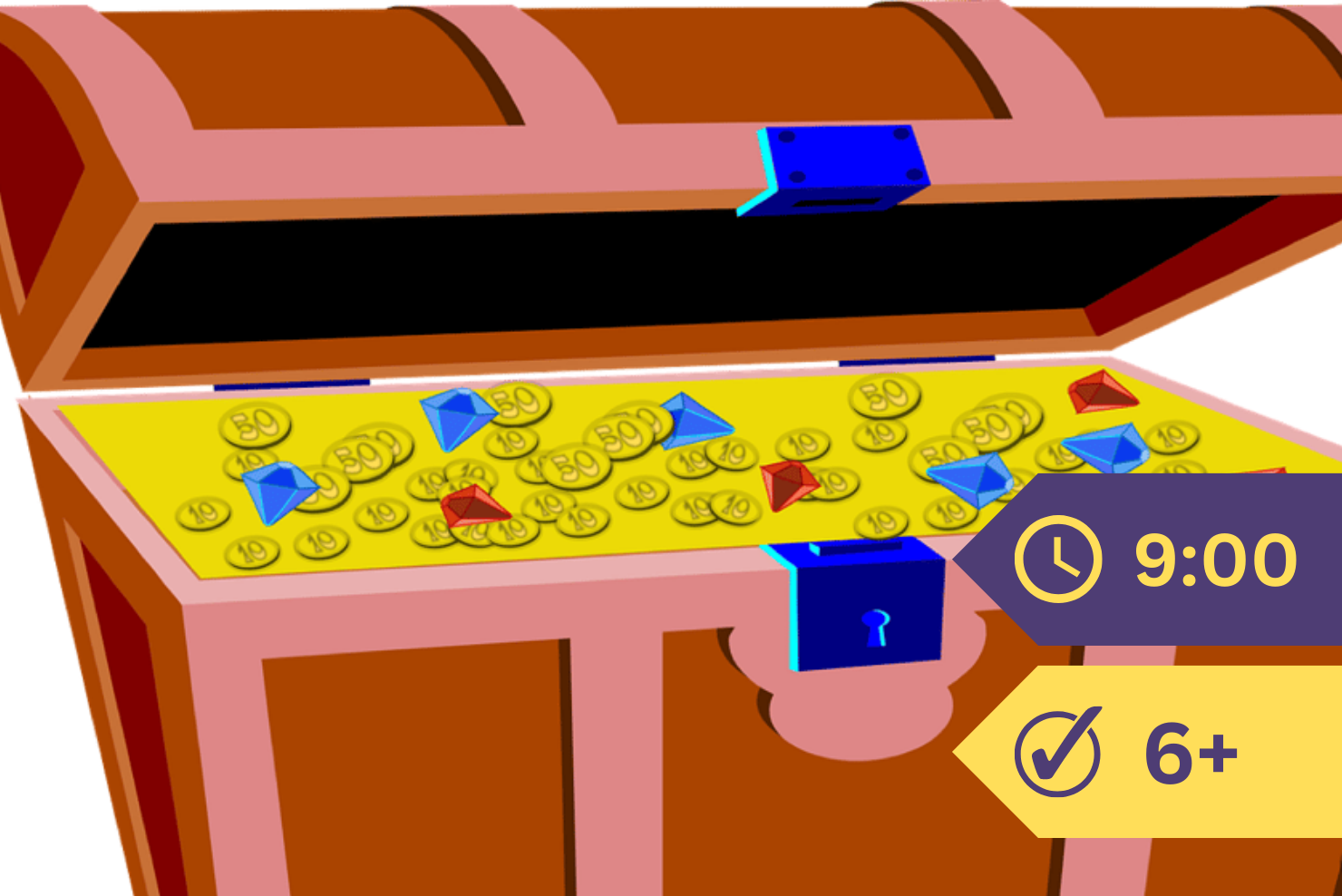
A peasant once went to the gardener’s, to steal cucumbers. He crept up to the cucumbers, and thought: “I will carry off a bag of cucumbers, which I will sell; with the money I will buy a hen.”
“The hen will lay eggs, hatch them, and raise a lot of chicks. I will feed the chicks and sell them; then I will buy me a young sow, and she will bear a lot of pigs.”
“I will sell the pigs, and buy me a mare; the mare will foal me some colts. I will raise the colts, and sell them.”
“I will buy me a house, and start a garden. In the garden I will sow cucumbers, and will not let them be stolen, but will keep a sharp watch on them. I will hire watchmen, and put them in the cucumber patch, while I myself will come on them, unawares, and shout: ‘Oh, there, keep a sharp lookout!'”
And this he shouted as loud as he could. The watchmen heard it, and they rushed out and beat the peasant.