The Mules and the Robbers

Summary


"The Mules and the Robbers" is a short Aesop fable about two mules travelling together — one loaded with gold, the other with grain. The treasure-bearing mule struts proudly, bells jingling, unaware that his very display of worth makes him a target. When robbers ambush the convoy, it is he alone who is wounded and plundered, while his humble companion walks away unharmed. The fable asks a sharp question: is pride in what we carry worth the cost it may bring?


Read Online

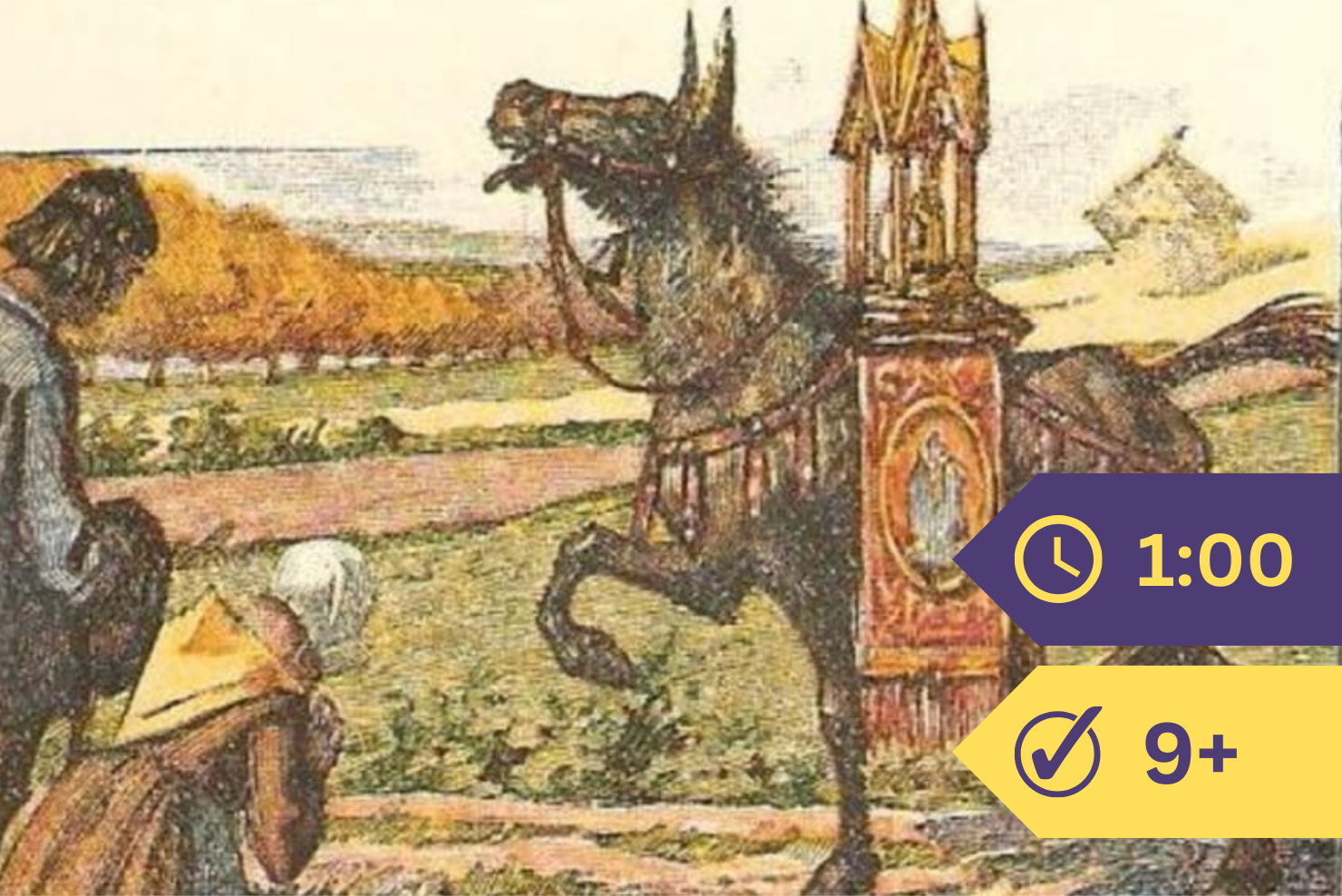
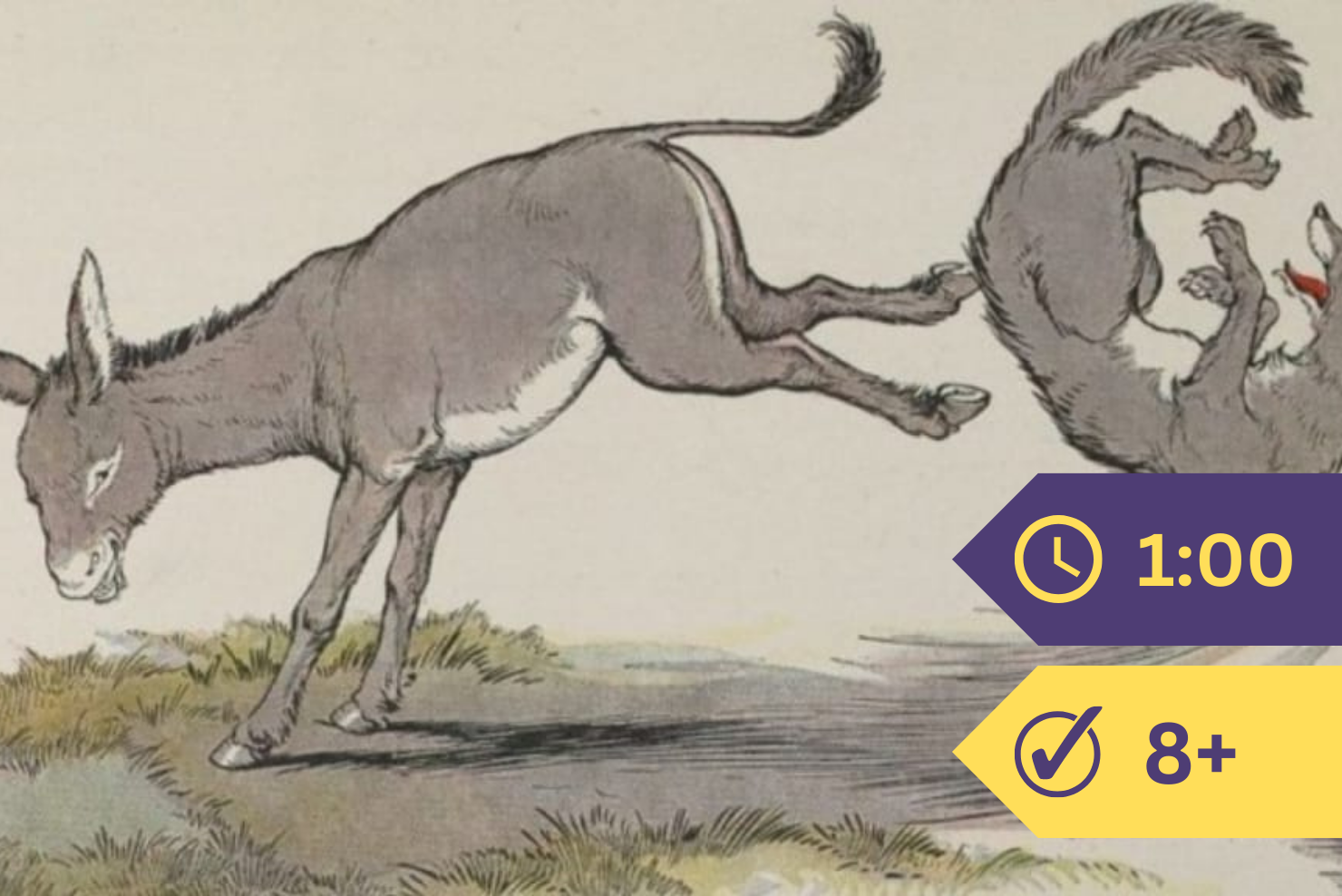
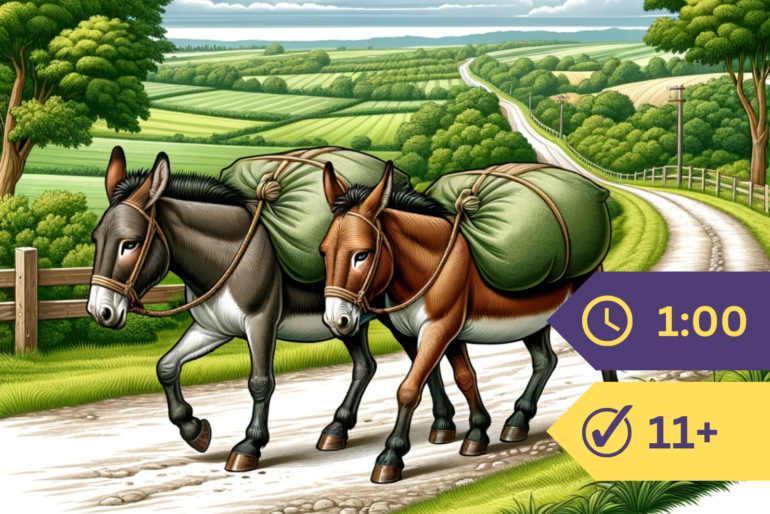
Two Mules well-laden with packs were trudging along. One carried panniers filled with money, the other sacks weighted with grain. The Mule carrying the treasure walked with head erect, as if conscious of the value of his burden, and tossed up and down the clear-toned bells fastened to his neck. His companion followed with quiet and easy step. All of a sudden Robbers rushed upon them from their hiding-places, and in the scuffle with their owners, wounded with a sword the Mule carrying the treasure, which they greedily seized while taking no notice of the grain. The Mule which had been robbed and wounded bewailed his misfortunes. The other replied, “I am indeed glad that I was thought so little of, for I have lost nothing, nor am I hurt with any wound.”



Credits

Aesop was an ancient Greek storyteller, believed to have lived around the 6th century BCE, whose fables have been retold across cultures for over two millennia. "The Mules and the Robbers" is among his shorter moral tales, distilling its lesson — that conspicuous wealth invites danger while modesty offers protection — into a single crisp scene. Though likely transmitted orally for centuries before being written down, the story's wisdom feels remarkably immediate.