The Hawk and the Nightingale

Summary


"The Hawk and the Nightingale" is a short fable by Aesop in which a small songbird, caught in the talons of a hungry hawk, pleads for its freedom with a clever argument: that larger, more satisfying prey still roam the skies. The hawk's reply is blunt and ruthless — a bird in the hand is worth far more than the promise of a better meal elsewhere. The fable captures a tense, unequal struggle where wit alone may not be enough to outmaneuver raw power.

Read Online

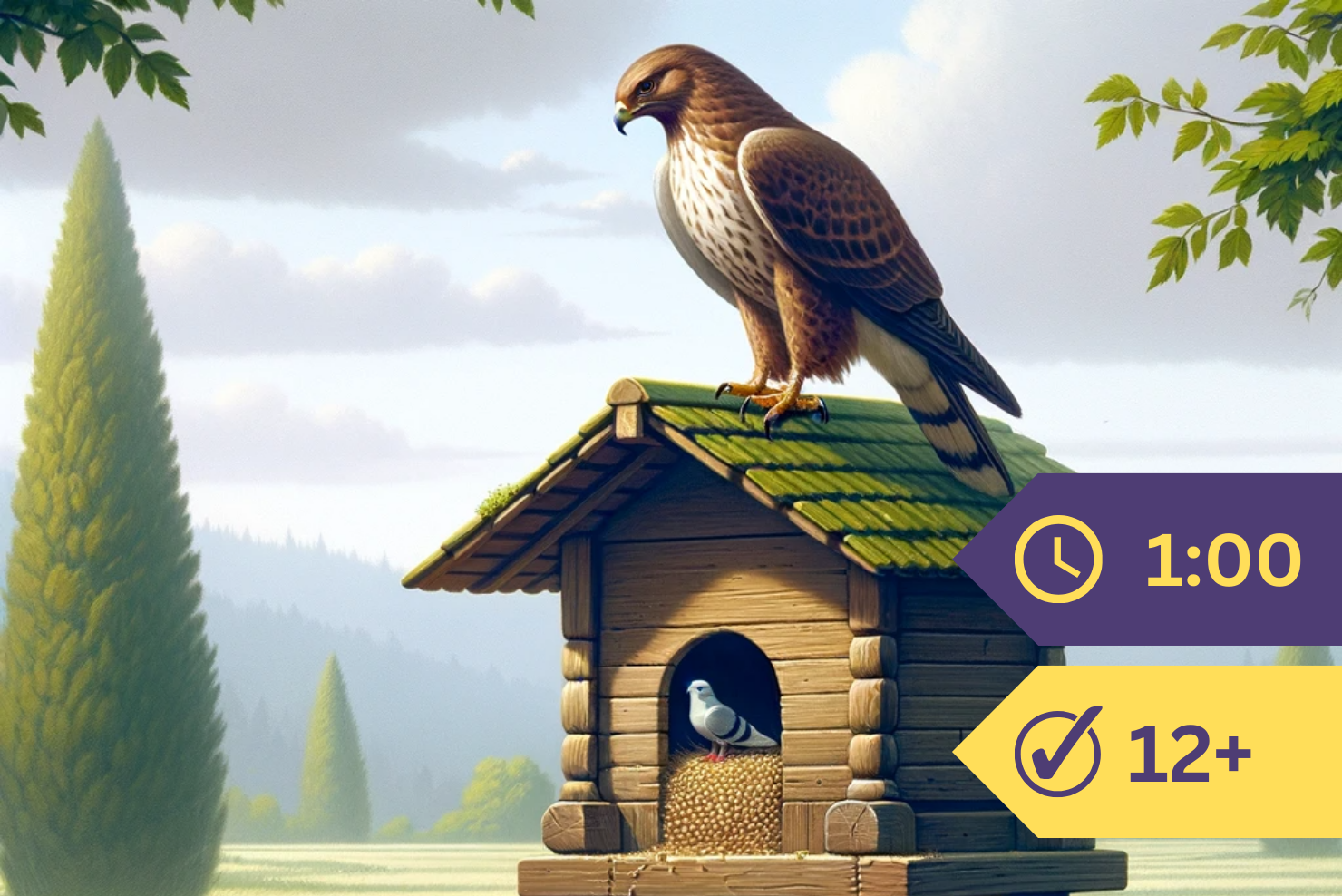
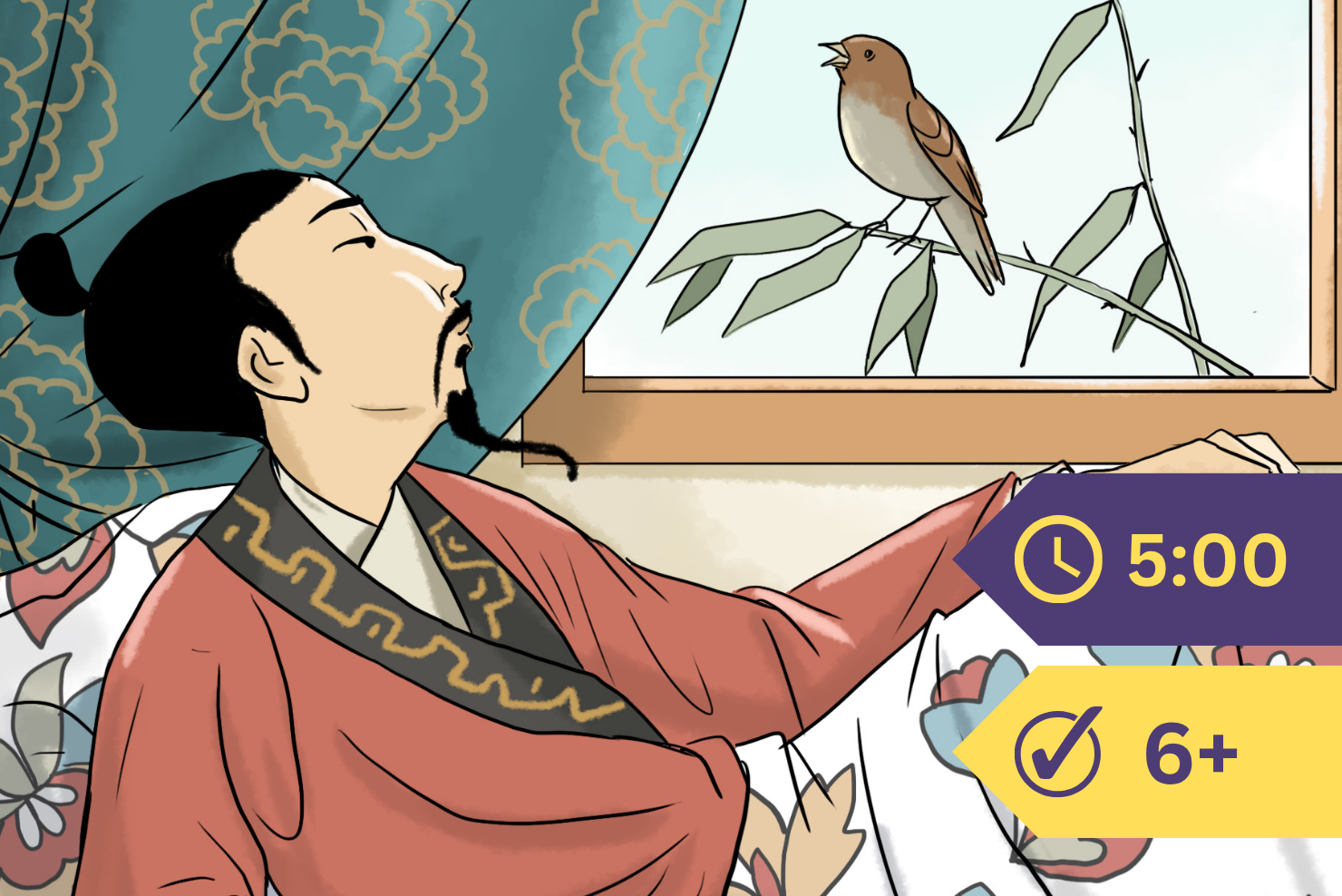
A Nightingale, sitting aloft upon an oak and singing according to his wont, was seen by a Hawk who, being in need of food, swooped down and seized him. The Nightingale, about to lose his life, earnestly begged the Hawk to let him go, saying that he was not big enough to satisfy the hunger of a Hawk who, if he wanted food, ought to pursue the larger birds. The Hawk, interrupting him, said: “I should indeed have lost my senses if I should let go food ready in my hand, for the sake of pursuing birds which are not yet even within sight.”


Credits

Aesop was an ancient Greek storyteller, believed to have lived around 620–564 BCE, whose fables have shaped moral literature across cultures for over two millennia. This particular fable is among those that foreground Aesop's unsentimental worldview — where the strong follow their own logic, and clever words don't always save the day.