The Fowler and the Viper

Summary


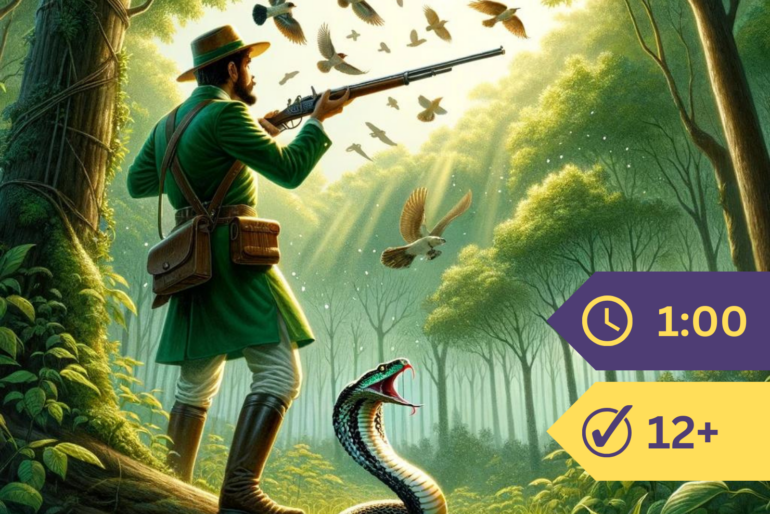
"The Fowler and the Viper" is a short Aesop fable about a bird-catcher so fixated on catching a thrush perched high in a tree that he fails to notice the viper sleeping at his feet. Eyes locked on the sky and mind set entirely on his prey, he treads on the snake — and pays a devastating price. The story builds its tension through a single, ironic moment of blindness, exploring how the pursuit of one goal can leave us dangerously exposed to unseen threats closer to home.

Read Online

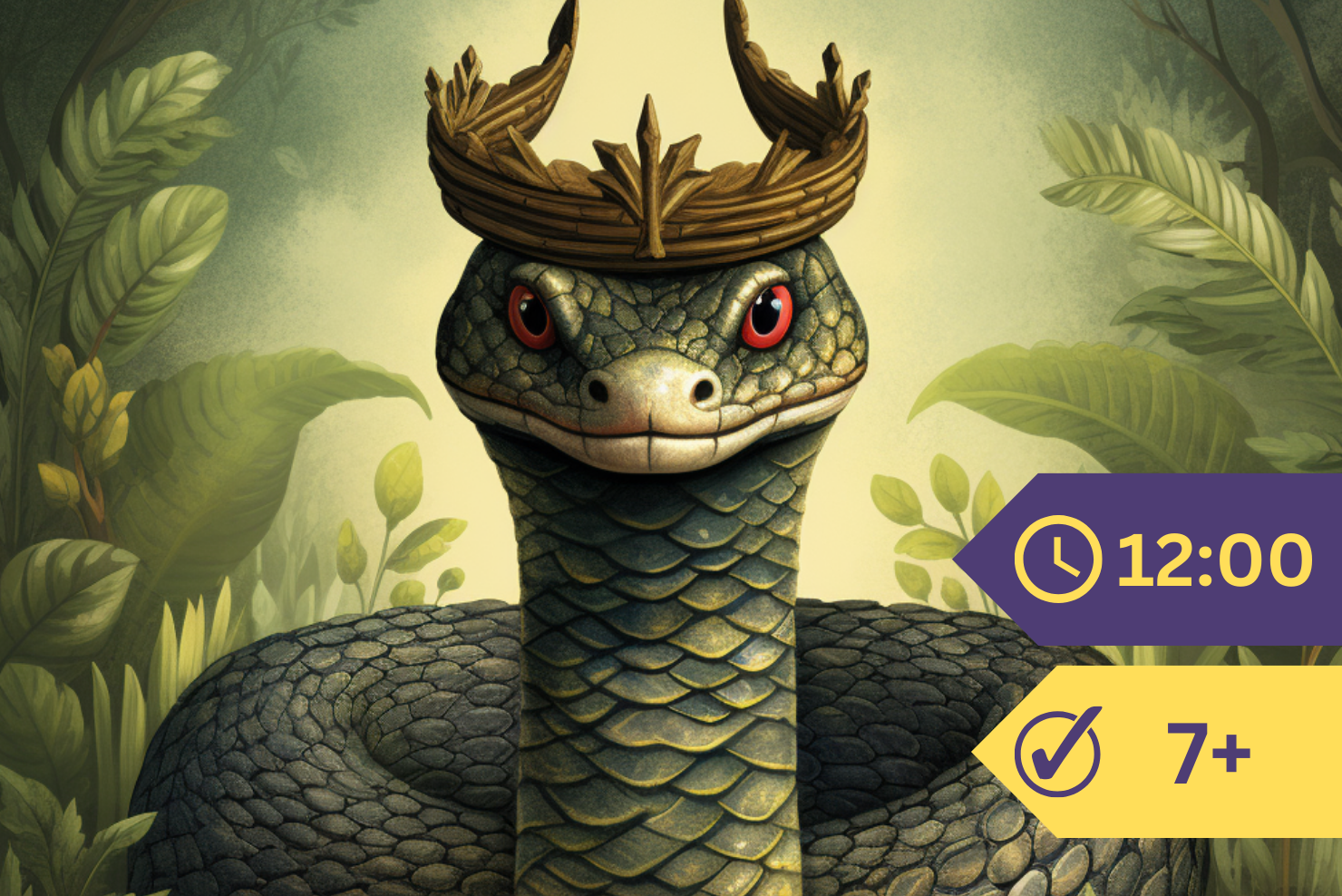
A Fowler, taking his bird-lime and his twigs, went out to catch birds. Seeing a thrush sitting upon a tree, he wished to take it, and fitting his twigs to a proper length, watched intently, having his whole thoughts directed towards the sky. While thus looking upwards, he unknowingly trod upon a Viper asleep just before his feet. The Viper, turning about, stung him, and falling into a swoon, the man said to himself, “Woe is me! that while I purposed to hunt another, I am myself fallen unawares into the snares of death.”


Credits

Aesop was an ancient Greek storyteller, believed to have lived around 620–564 BCE, credited with a vast collection of moral fables that have shaped literature and philosophy for millennia. "The Fowler and the Viper" is one of his shorter cautionary tales, distilling its warning — that fixating on a target can blind us to immediate danger — into just a handful of sharp, unsparing lines.