The Flea and the Man

Summary


"The Flea and the Man" is a short Aesop fable about a man who finally catches the flea that has been biting and tormenting him. When the tiny creature begs for its life, arguing it can cause no real harm, the man refuses to be swayed by the plea. His sharp reply cuts to the heart of the story's moral: that no evil, however small, deserves to be excused or overlooked. The tale is brief but carries a pointed warning about the danger of tolerating even minor wrongdoing.


Read Online

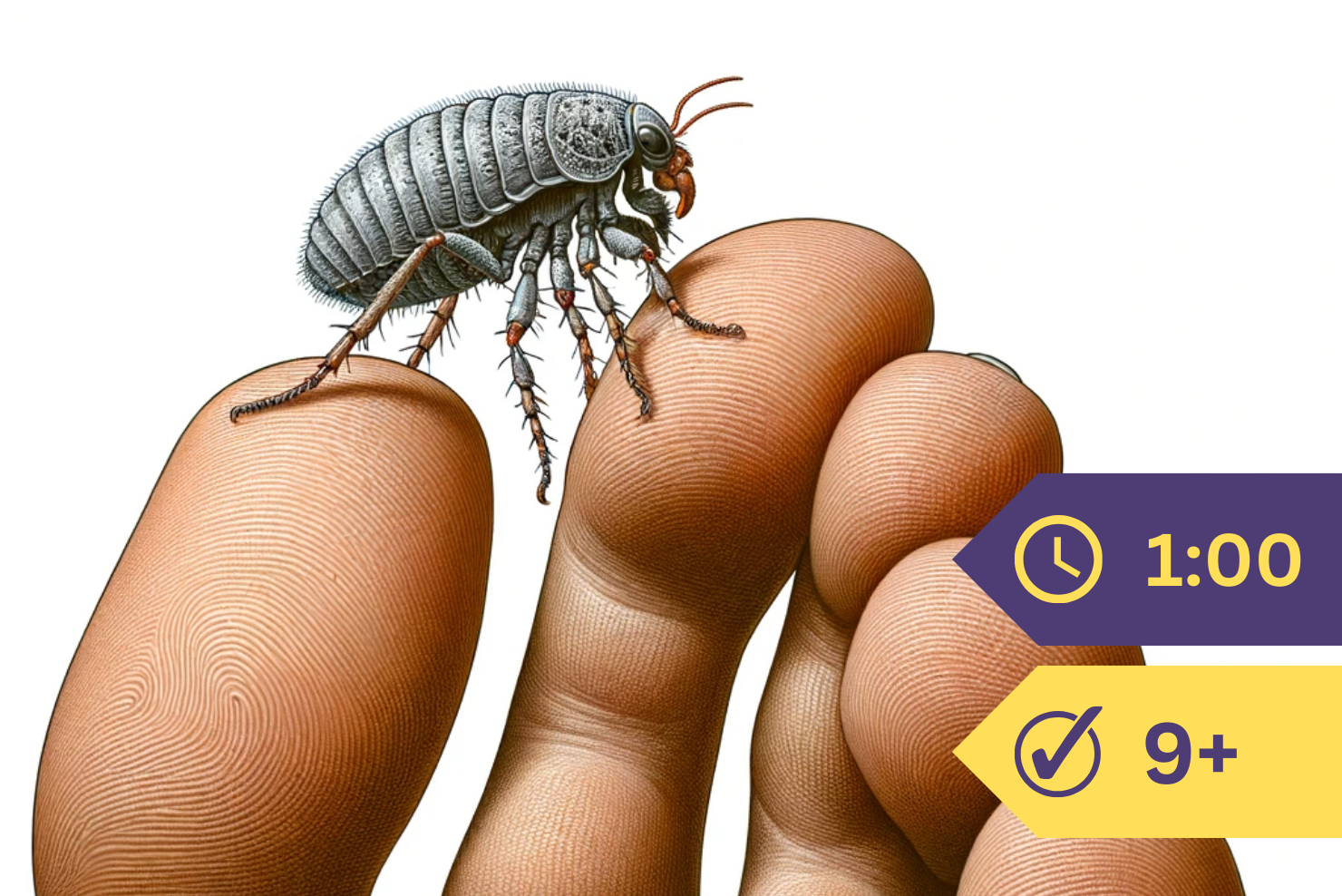
A Man, very much annoyed with a Flea, caught him at last, and said, “Who are you who dare to feed on my limbs, and to cost me so much trouble in catching you?” The Flea replied, “O my dear sir, pray spare my life, and destroy me not, for I cannot possibly do you much harm.” The Man, laughing, replied, “Now you shall certainly die by mine own hands, for no evil, whether it be small or large, ought to be tolerated.”


Credits

Aesop was an ancient Greek storyteller, believed to have lived around 620–564 BCE, whose fables have been retold across cultures for over two millennia. "The Flea and the Man" is one of his shortest moral tales, distilling its lesson into a single sharp exchange between a pest and its captor.