The Fishermen

Summary


"The Fishermen" is a short fable by Aesop in which a group of fishermen haul in their nets expecting a plentiful catch, only to find sand and stones. Their soaring joy collapses into deep despair — not simply because the nets are empty, but because their hopes had climbed so high. An old fisherman among them offers a quietly striking observation: that sorrow and joy are twin sisters, and one who celebrates too soon should not be surprised when sadness follows close behind.


Read Online

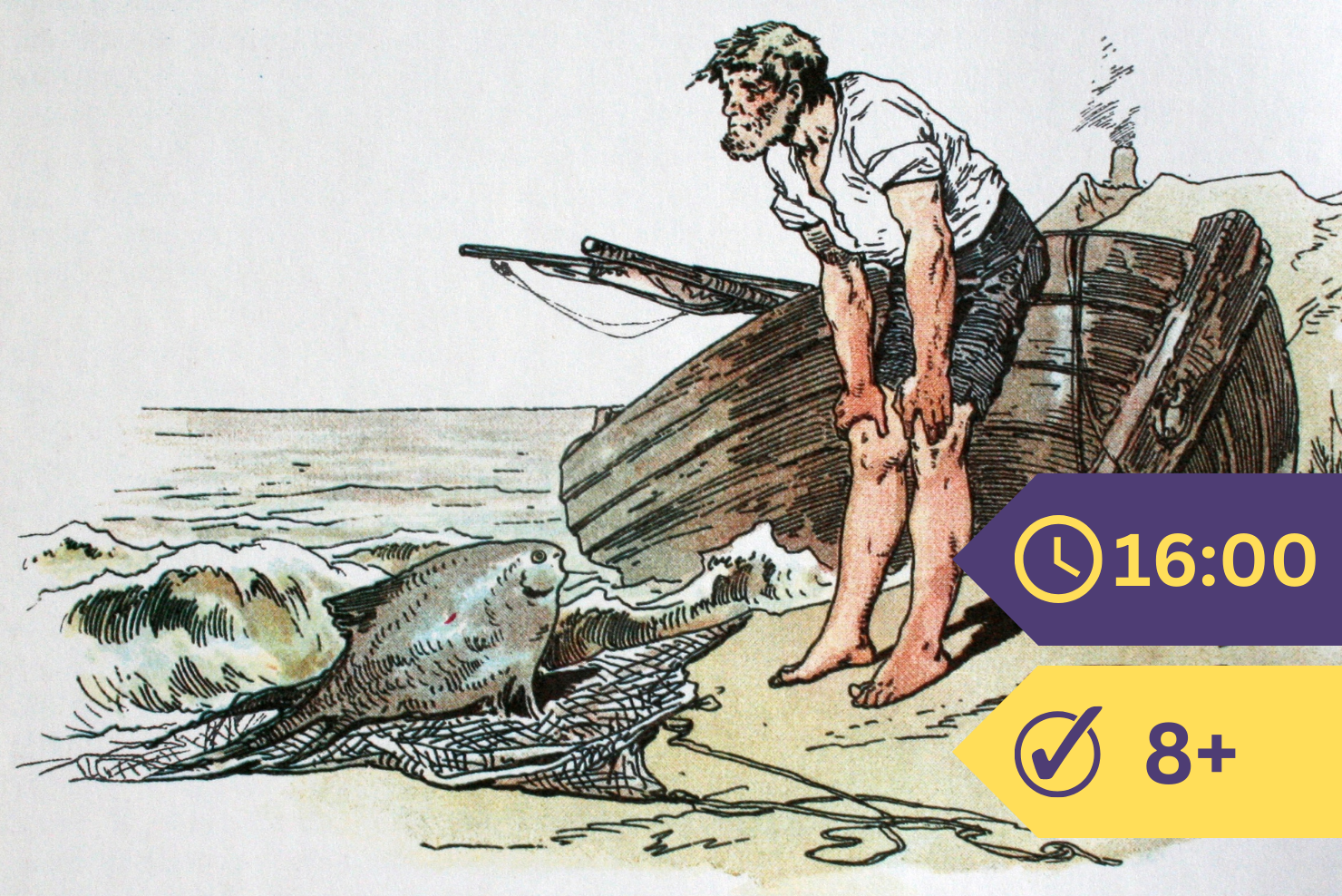
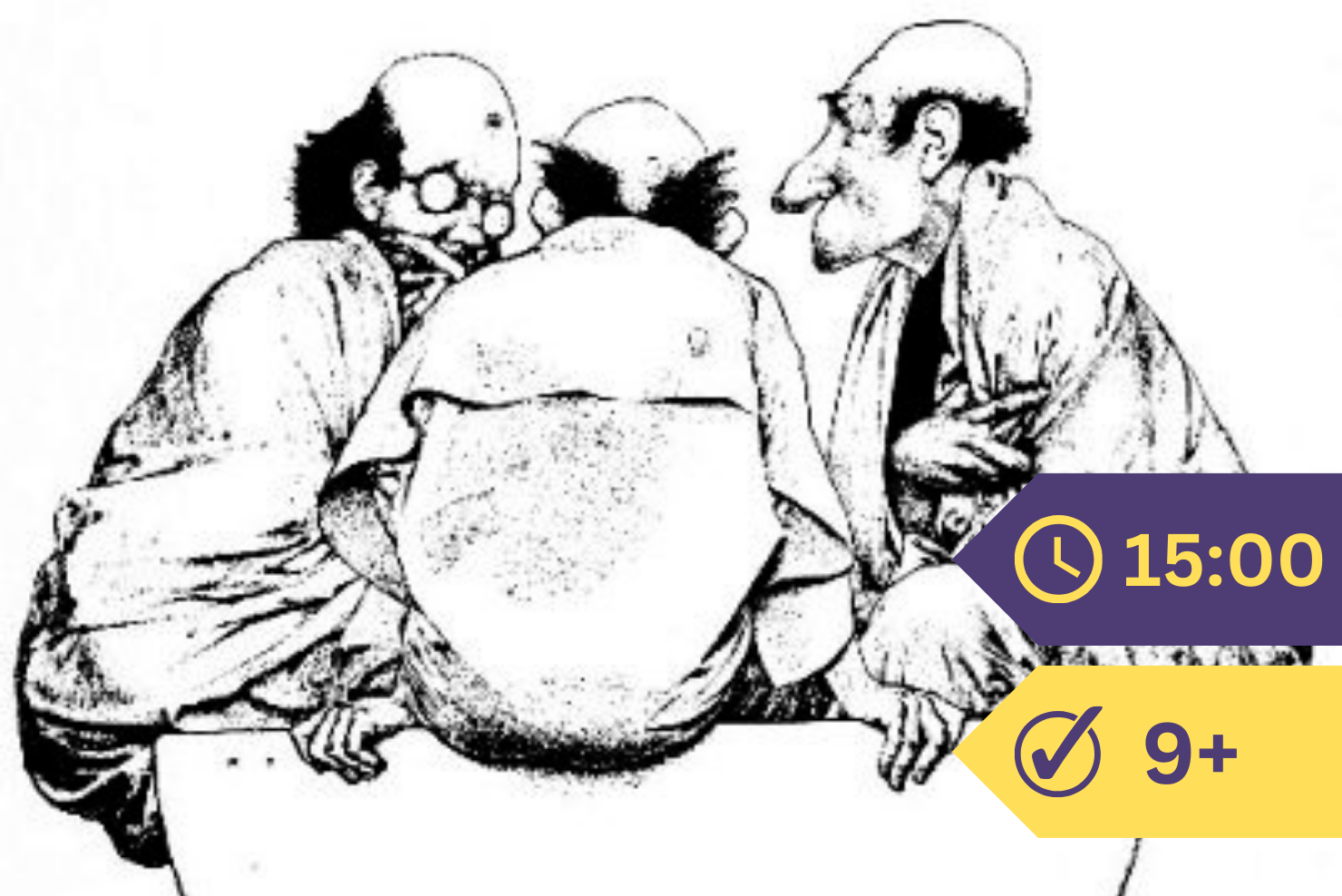
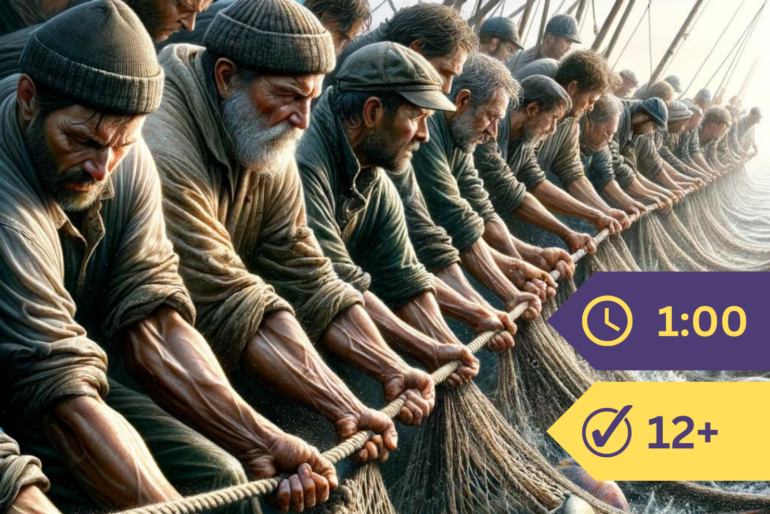
Some Fishermen were out trawling their nets. Perceiving them to be very heavy, they danced about for joy and supposed that they had taken a large catch. When they had dragged the nets to the shore they found but few fish: the nets were full of sand and stones, and the men were beyond measure cast down so much at the disappointment which had befallen them, but because they had formed such very different expectations. One of their company, an old man, said, “Let us cease lamenting, my mates, for, as it seems to me, sorrow is always the twin sister of joy; and it was only to be looked for that we, who just now were over-rejoiced, should next have something to make us sad.”


Credits

Aesop was an ancient Greek storyteller, believed to have lived around 620–564 BCE, whose fables have shaped moral literature across the world for over two millennia. "The Fishermen" is a fine example of his gift for distilling hard-won human wisdom into a single, vivid scene — here lending the sharpest insight not to a king or philosopher, but to a weathered old man by the shore.