The Father and His Two Daughters

Summary


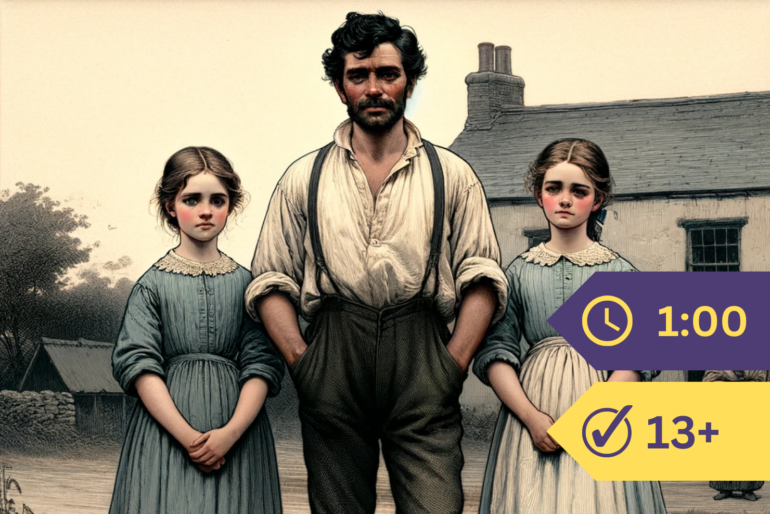
"The Father and His Two Daughters" is a short fable by Aesop about a father caught between the clashing hopes of his two daughters. One daughter, married to a gardener, prays for rain to nourish her plants; the other, wed to a tile-maker, wishes for hot sun to dry her bricks. When the father visits each in turn, he faces an impossible dilemma — no matter which daughter's wish he supports, he works against the other. The story cuts to its point swiftly and sharply.


Read Online

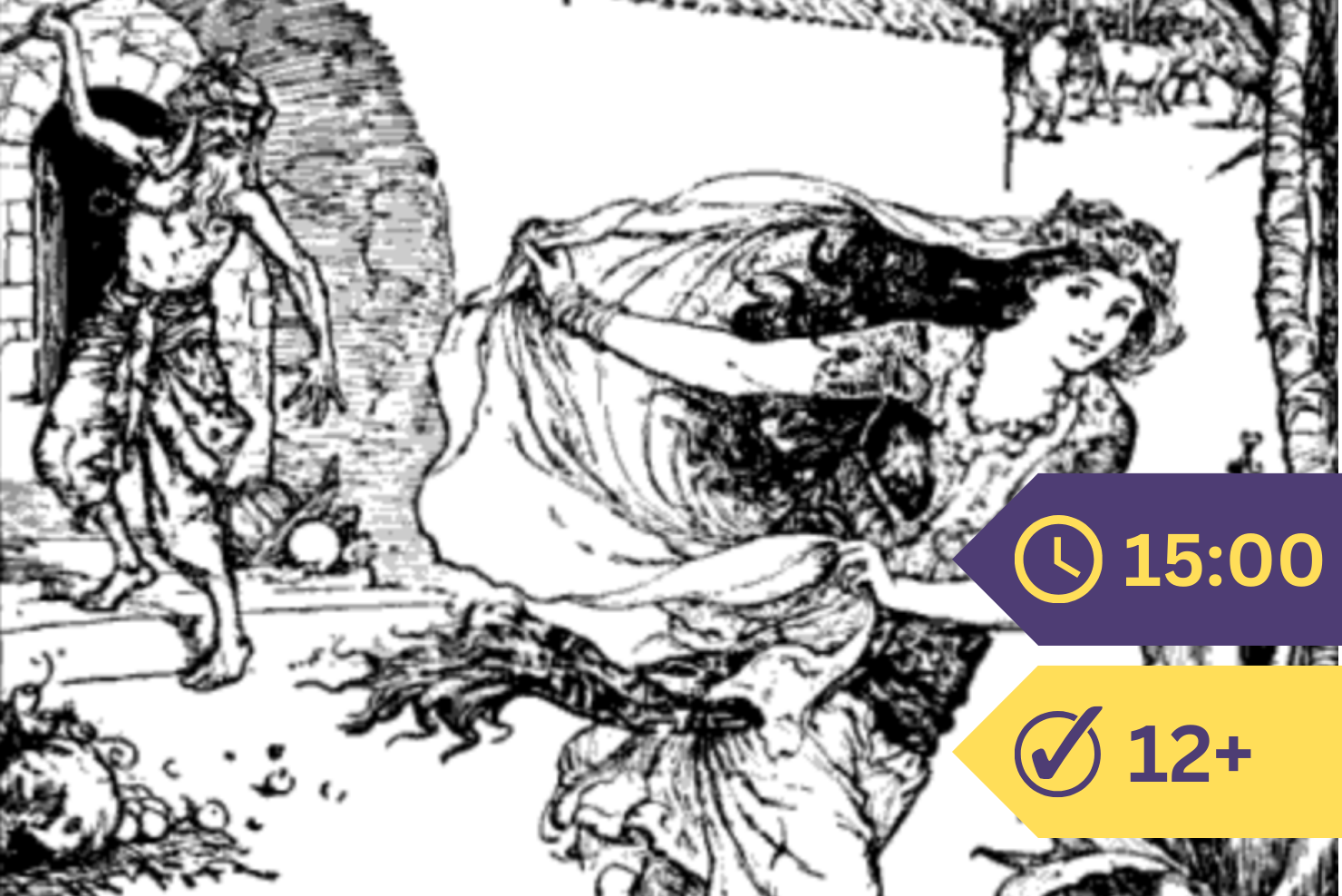
A Man had two daughters, the one married to a gardener, and the other to a tile-maker. After a time he went to the daughter who had married the gardener, and inquired how she was and how all things went with her. She said, “All things are prospering with me, and I have only one wish, that there may be a heavy fall of rain, in order that the plants may be well watered.” Not long after, he went to the daughter who had married the tilemaker, and likewise inquired of her how she fared; she replied, “I want for nothing, and have only one wish, that the dry weather may continue, and the sun shine hot and bright, so that the bricks might be dried.” He said to her, “If your sister wishes for rain, and you for dry weather, with which of the two am I to join my wishes?”


Credits

Aesop was an ancient Greek storyteller, believed to have lived around 620–564 BCE, whose fables have been retold and studied for over two millennia. His stories typically centre on a single, relatable conflict that reveals a universal truth about human nature. "The Father and His Two Daughters" is one of his shorter pieces, notable for ending on an open question rather than a stated moral — leaving the lesson for the reader to draw.