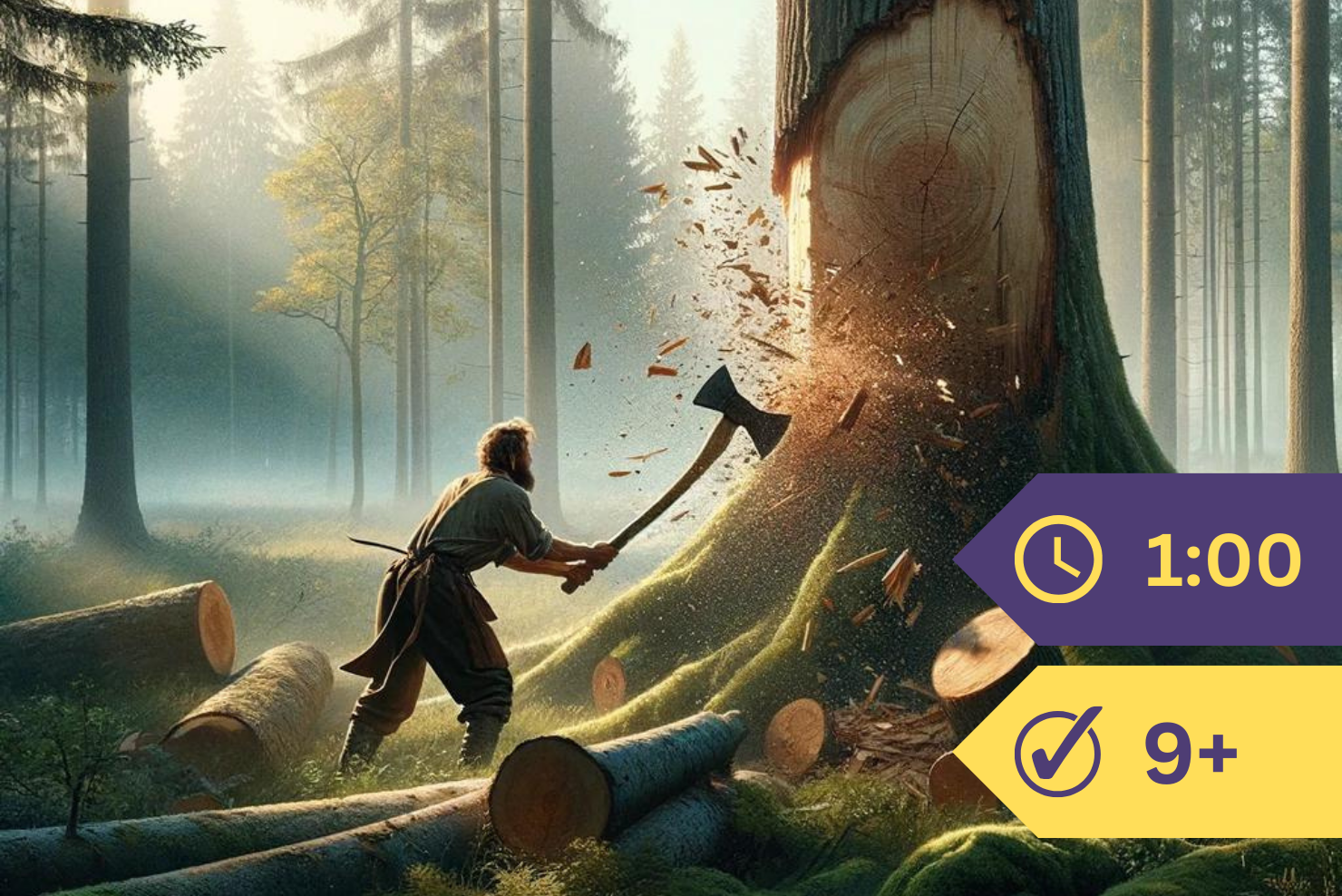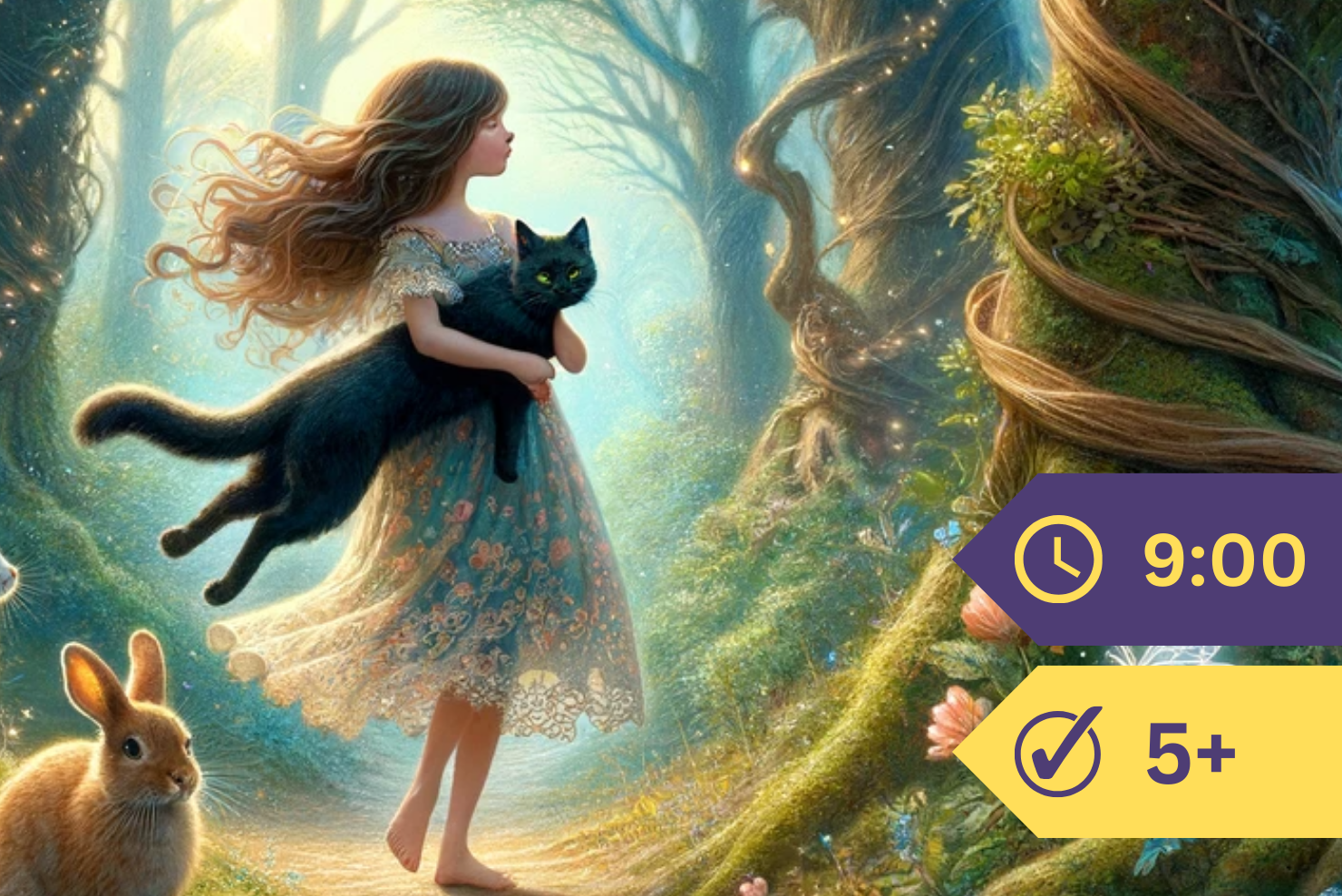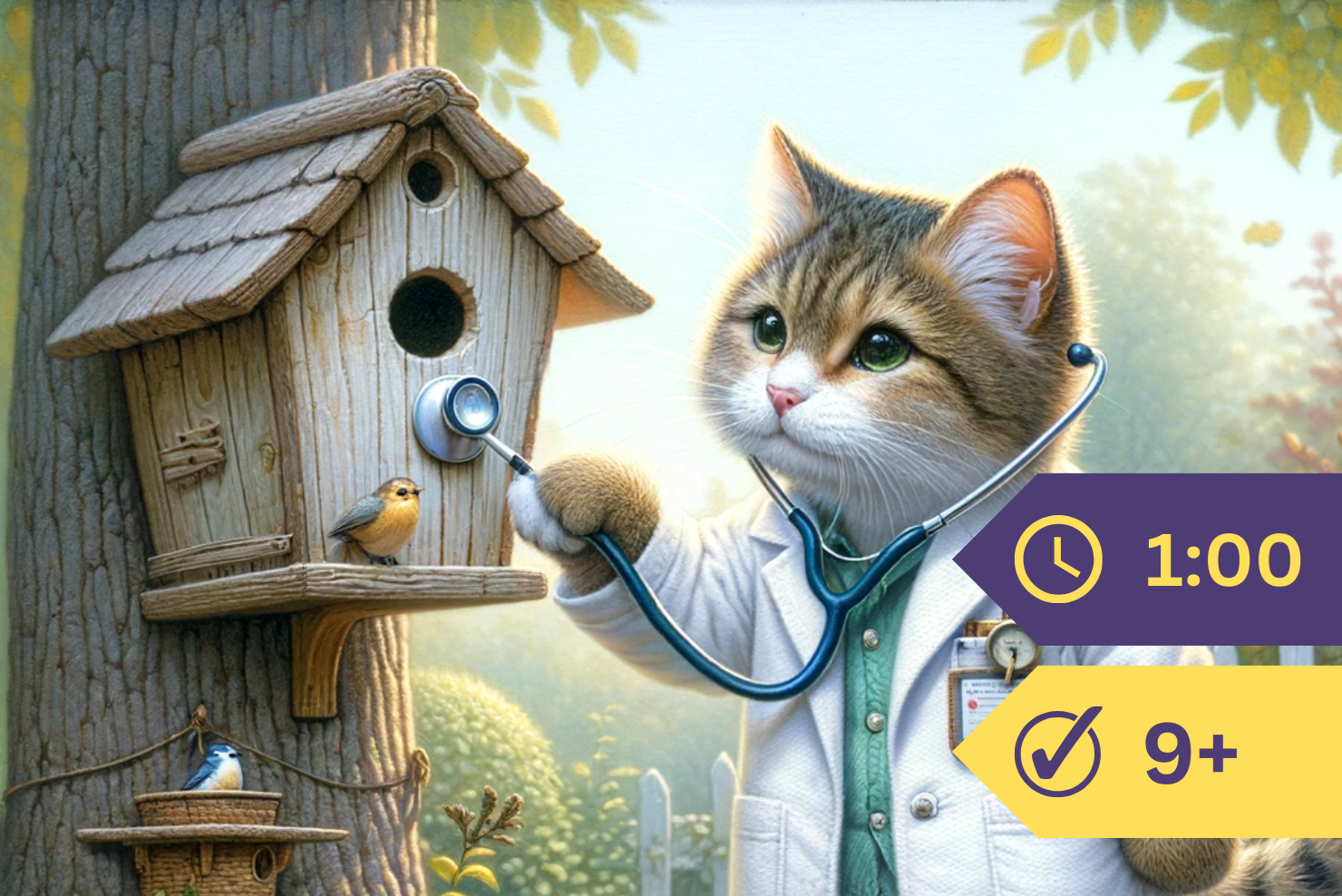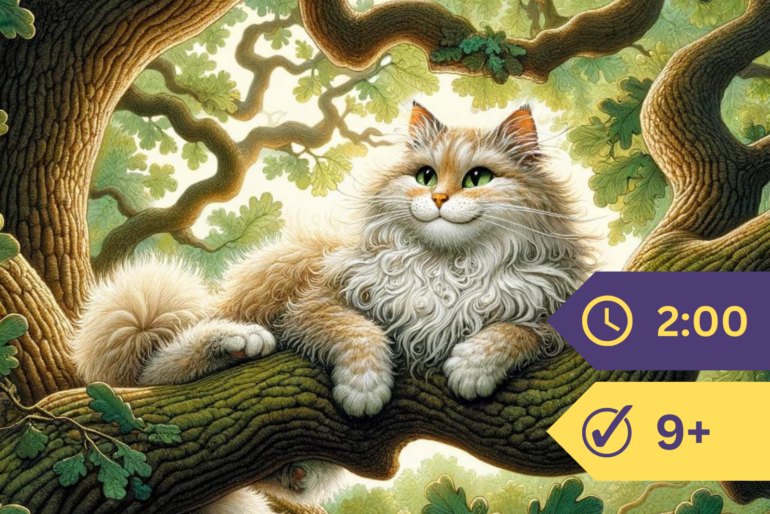
An Eagle made her nest at the top of a lofty oak; a Cat, having found a convenient hole, moved into the middle of the trunk; and a Wild Sow, with her young, took shelter in a hollow at its foot. The Cat cunningly resolved to destroy this chance-made colony. To carry out her design, she climbed to the nest of the Eagle, and said, “Destruction is preparing for you, and for me too, unfortunately. The Wild Sow, whom you see daily digging up the earth, wishes to uproot the oak, so she may on its fall seize our families as food for her young.” Having thus frightened the Eagle out of her senses, she crept down to the cave of the Sow, and said, “Your children are in great danger; for as soon as you go out with your litter to find food, the Eagle is prepared to pounce upon one of your little pigs.” Having instilled these fears into the Sow, she went and pretended to hide herself in the hollow of the tree. When night came she went forth with silent foot and obtained food for herself and her kittens, but feigning to be afraid, she kept a lookout all through the day. Meanwhile, the Eagle, full of fear of the Sow, sat still on the branches, and the Sow, terrified by the Eagle, did not dare to go out from her cave. And thus they both, along with their families, perished from hunger, and afforded ample provision for the Cat and her kittens.