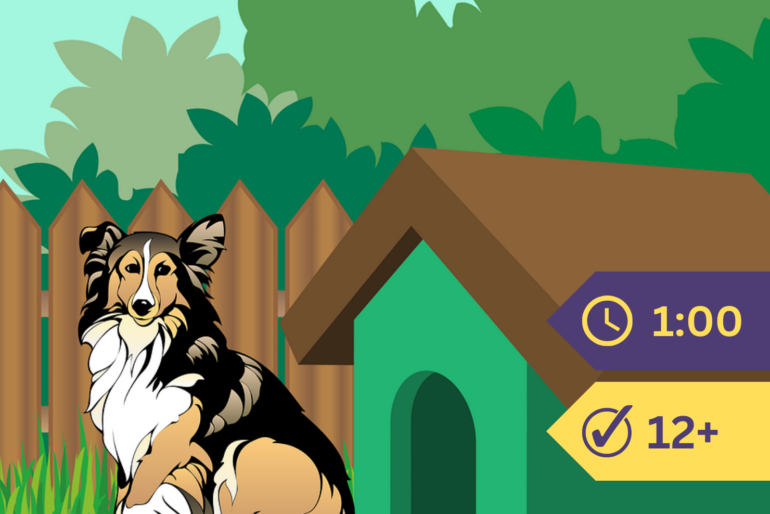
The Dog’s House

Summary


"The Dog's House" is a short fable by Aesop built around a dog who, shivering through winter, vows to build himself a proper shelter. When summer arrives and he stretches out lazily in the warmth, he feels so large and at ease that the task suddenly seems both unnecessary and overwhelming. The story captures the quiet comedy of self-deception — how comfort has a way of dissolving the urgent promises we make to ourselves in harder times.

Read Online

In the wintertime, a Dog curled up in as small a space as possible on account of the cold, determined to make himself a house. However when the summer returned again, he lay asleep stretched at his full length and appeared to himself to be of a great size. Now he considered that it would be neither an easy nor a necessary work to make himself such a house as would accommodate him.


Credits

Aesop was an ancient Greek storyteller, believed to have lived around the 6th century BCE, credited with hundreds of short moral fables that remain in circulation to this day. "The Dog's House" is a compact example of his method: a single animal, one shift in circumstance, and a quietly cutting observation about human — or canine — nature.