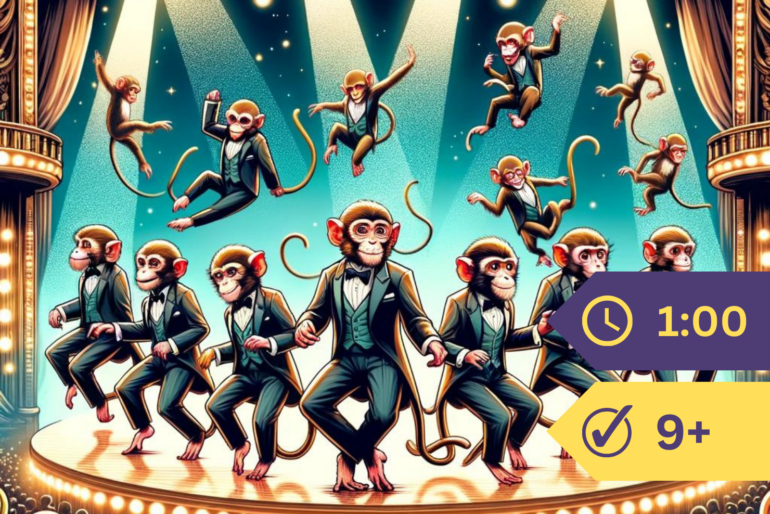
The Dancing Monkeys

Summary


"The Dancing Monkeys" is a short fable by Aesop in which a Prince trains his monkeys to perform courtly dances — and they do so with surprising skill, dressed in fine robes and masks before an admiring audience. The spectacle holds until a mischievous courtier scatters a handful of nuts across the stage. In an instant, the illusion collapses: the monkeys tear off their costumes and scramble greedily over the nuts, revealing that no amount of training can truly mask one's nature.


Read Online

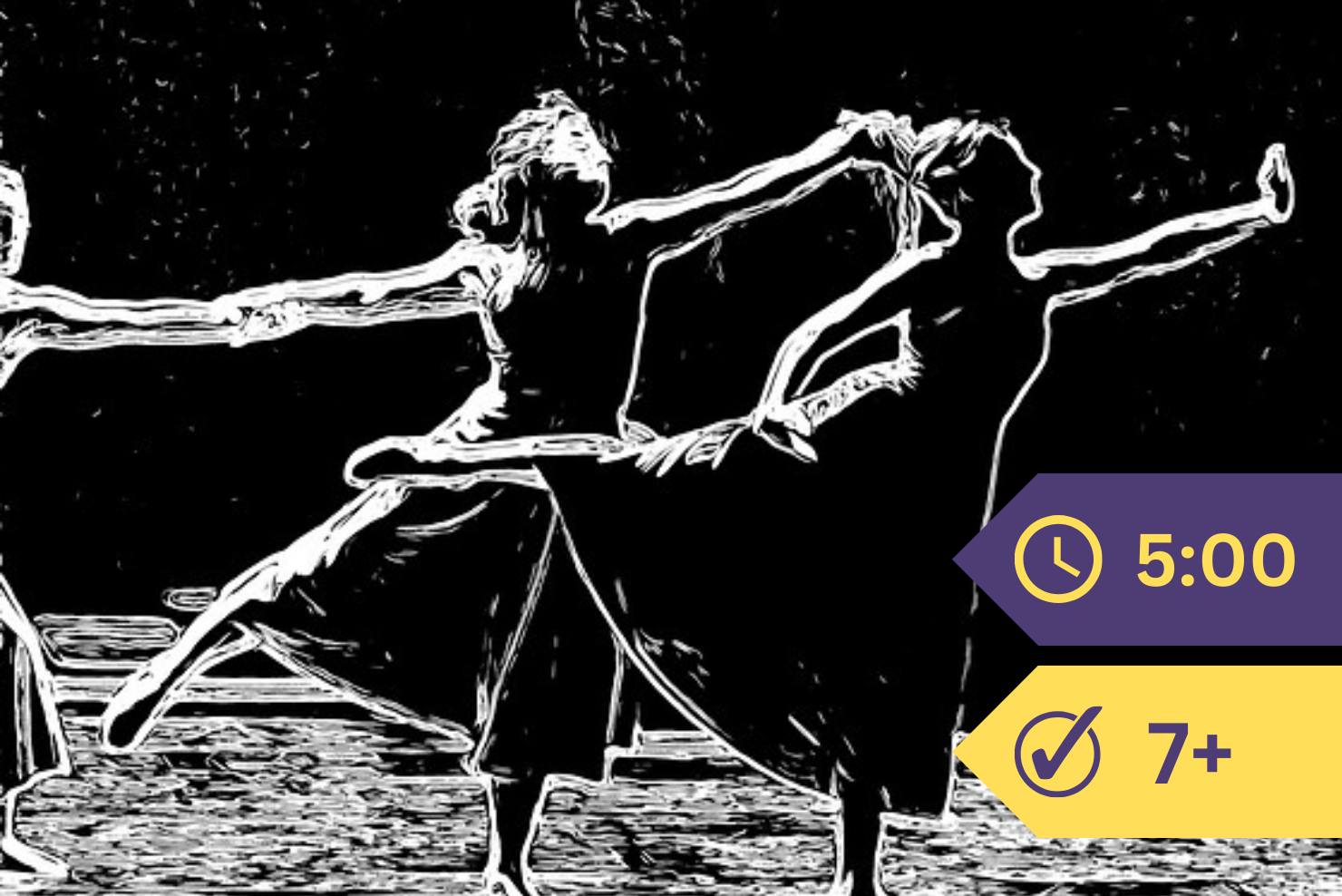
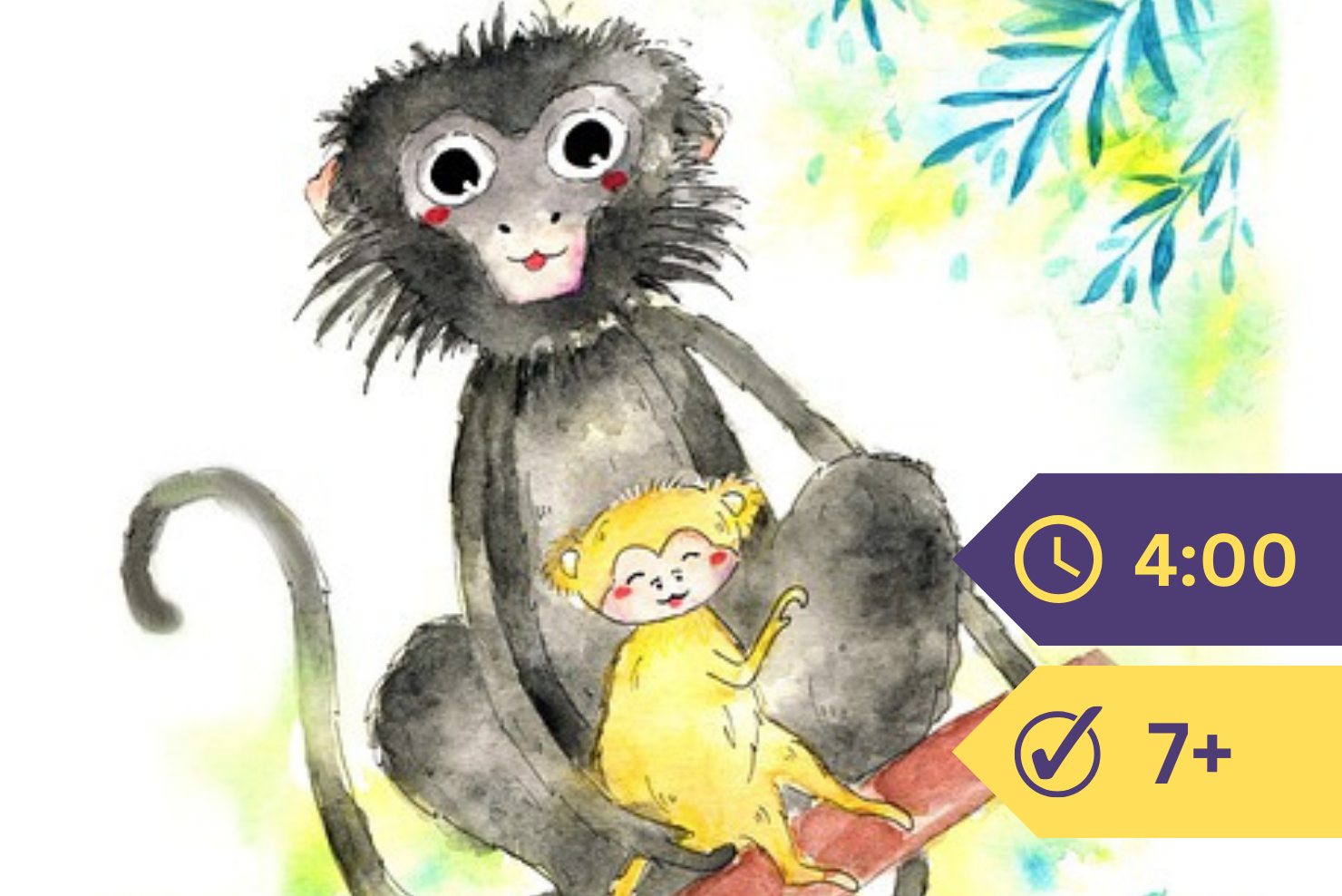
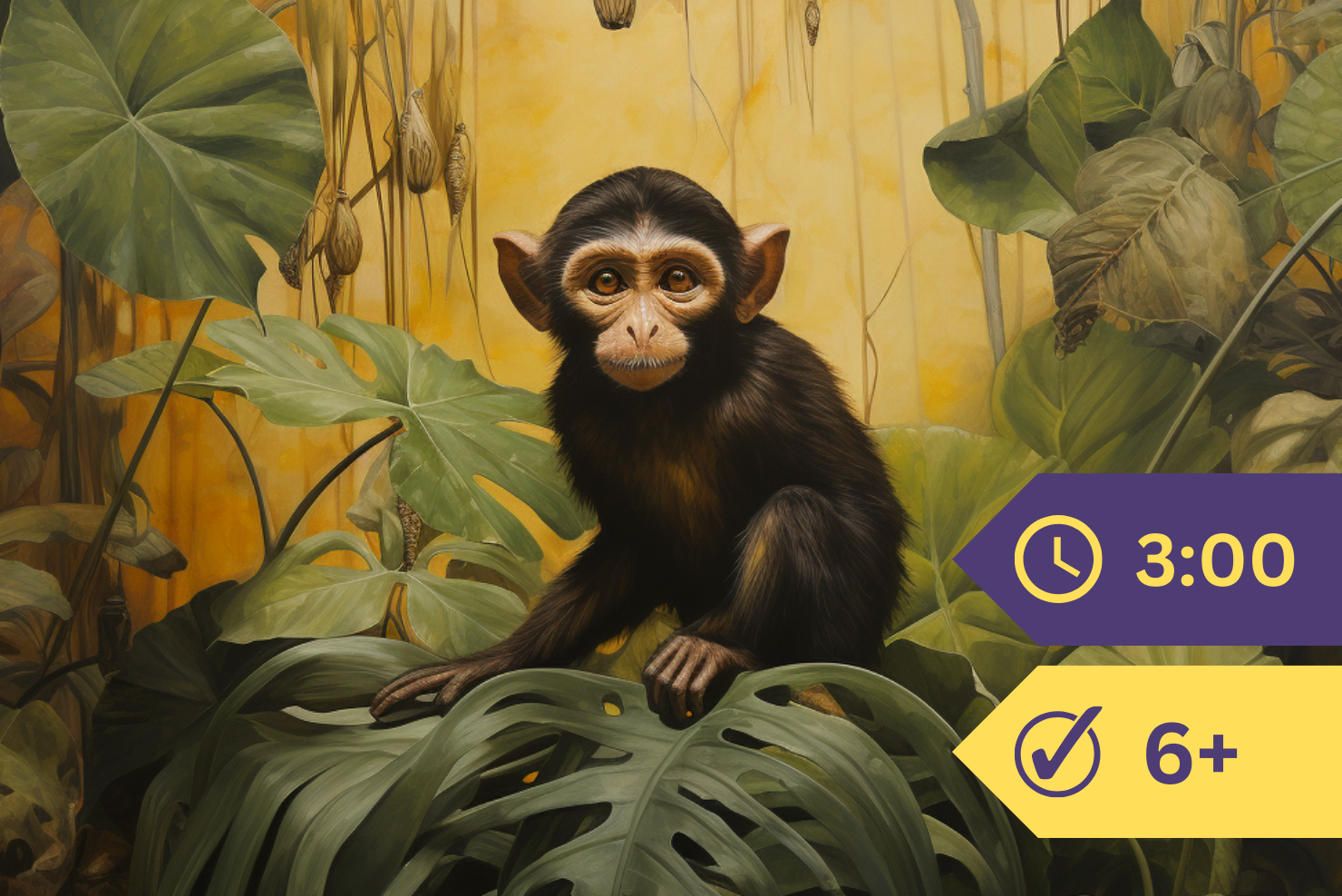
A Prince had some Monkeys trained to dance. Being naturally great mimics of men’s actions, they showed themselves most apt pupils, and when arrayed in their rich clothes and masks, they danced as well as any of the courtiers. The spectacle was often repeated with great applause, till on one occasion a courtier, bent on mischief, took from his pocket a handful of nuts and threw them upon the stage. The Monkeys at the sight of the nuts forgot their dancing and became (as indeed they were) Monkeys instead of actors. Pulling off their masks and tearing their robes, they fought with one another for the nuts. The dancing spectacle thus came to an end amidst the laughter and ridicule of the audience.


Credits

Aesop was an ancient Greek storyteller, believed to have lived around the 6th century BCE, whose fables have shaped moral literature across cultures for over two millennia. "The Dancing Monkeys" is a compact example of his signature style — a single, well-timed disruption that exposes a deeper truth about behaviour and pretence. His works were passed down orally before being compiled into the collections widely read and retold today.