The Crab and the Fox

Summary


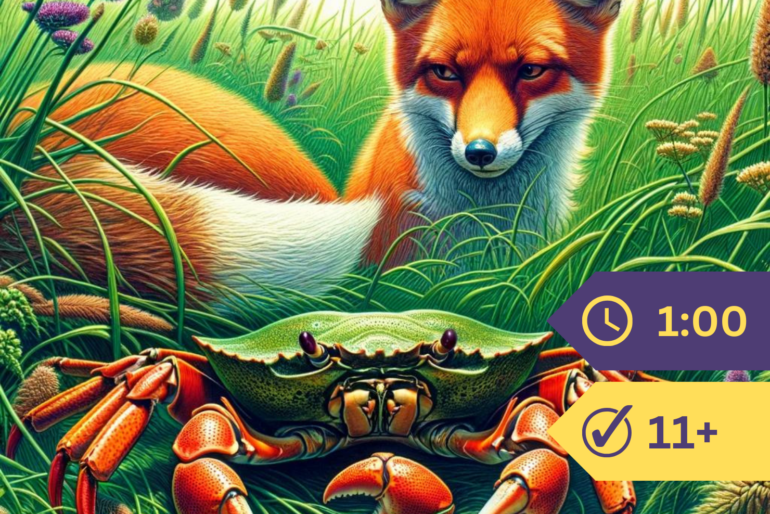
"The Crab and the Fox" is a short Aesop fable about a crab who abandons the seashore and ventures into a lush green meadow in search of food. When a hungry fox discovers him far from the water, the crab meets a swift and unavoidable end. In his final moments, the crab admits he has no one to blame but himself — he left the environment he was built for, and paid the price. The fable delivers a pointed lesson about self-awareness and the dangers of straying beyond your natural strengths.


Read Online

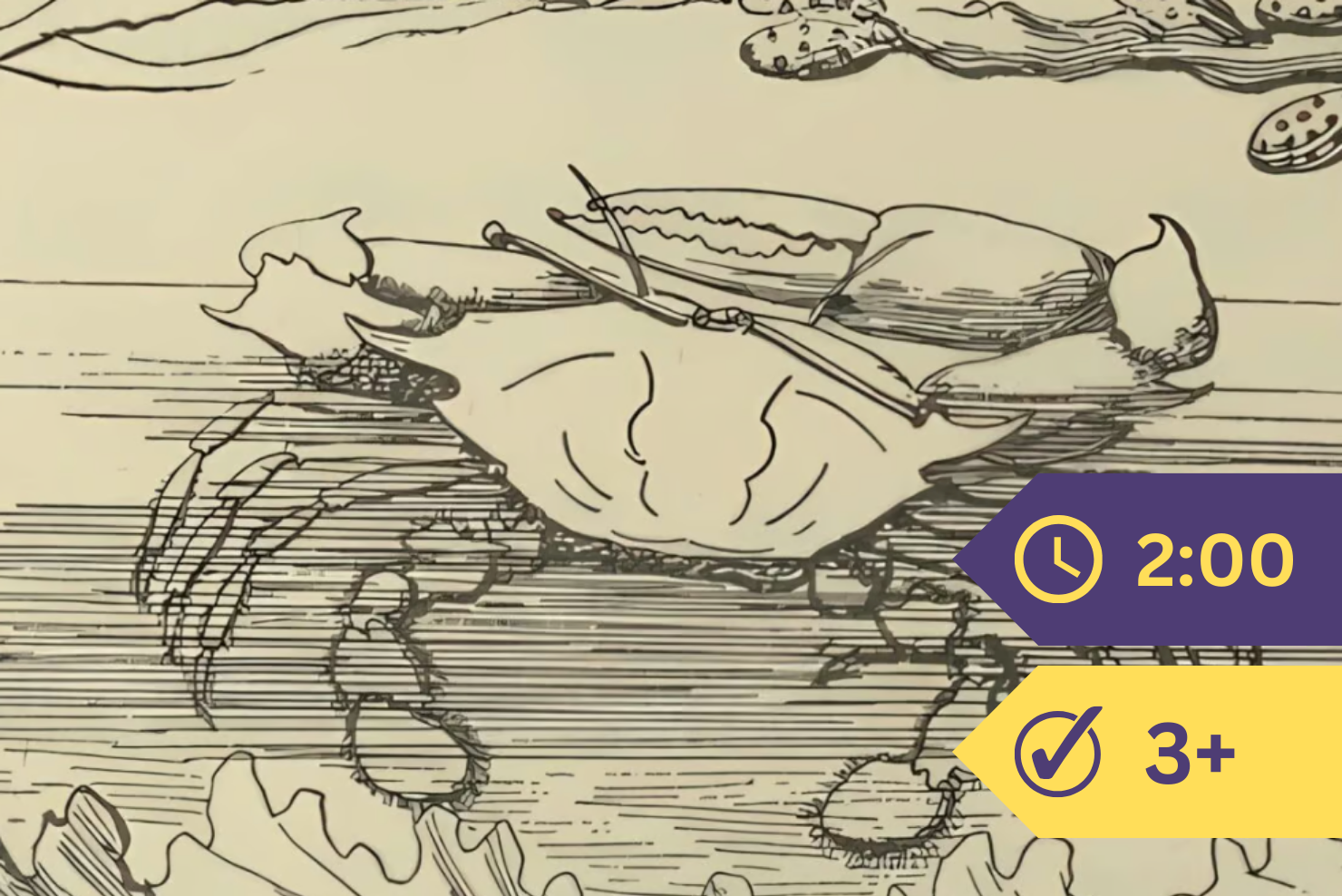
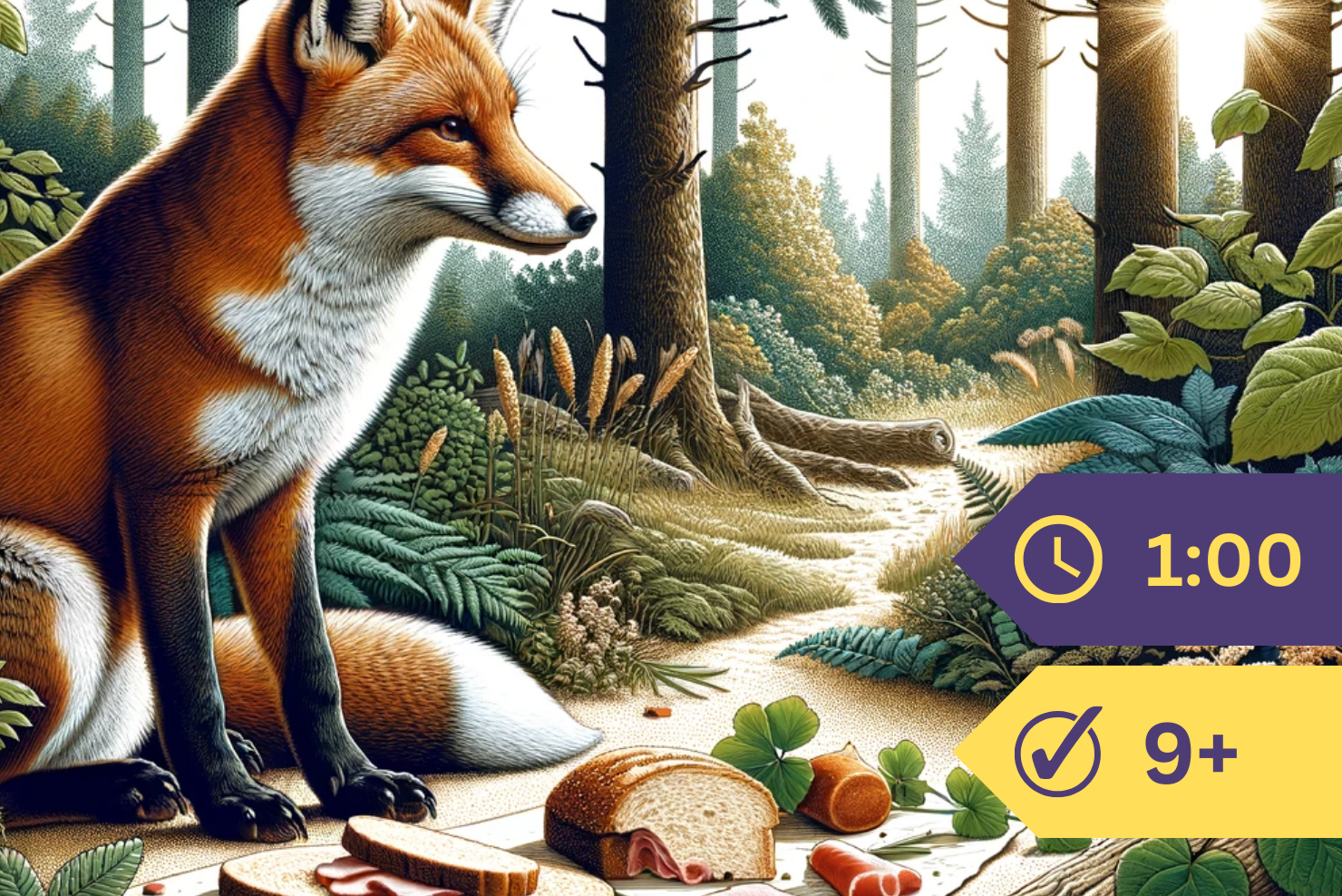
A Crab, forsaking the seashore, chose a neighboring green meadow as its feeding ground. A Fox came across him, and being very hungry ate him up. Just as he was on the point of being eaten, the Crab said, “I well deserve my fate, for what business had I on the land, when by my nature and habits I am only adapted for the sea?”


Credits

Aesop was an ancient Greek storyteller, believed to have lived around 620–560 BCE, whose fables have shaped moral literature across the world for centuries. "The Crab and the Fox" is one of his shorter moral tales, notable for placing the moral lesson in the mouth of the doomed character itself rather than as a closing maxim.