The Bull, the Lioness, and the Wild-Boar Hunter

Summary


"The Bull, the Lioness, and the Wild-Boar Hunter" is a sharp Aesop fable about grief meeting its own reflection. When a Bull discovers a lion's cub sleeping and kills it, the Lioness is consumed by sorrow — until a hunter's blunt words force her to confront an uncomfortable truth. In just a few lines, Aesop captures how those who inflict suffering can be the least prepared to receive it, making this one of his most quietly devastating short fables.


Read Online

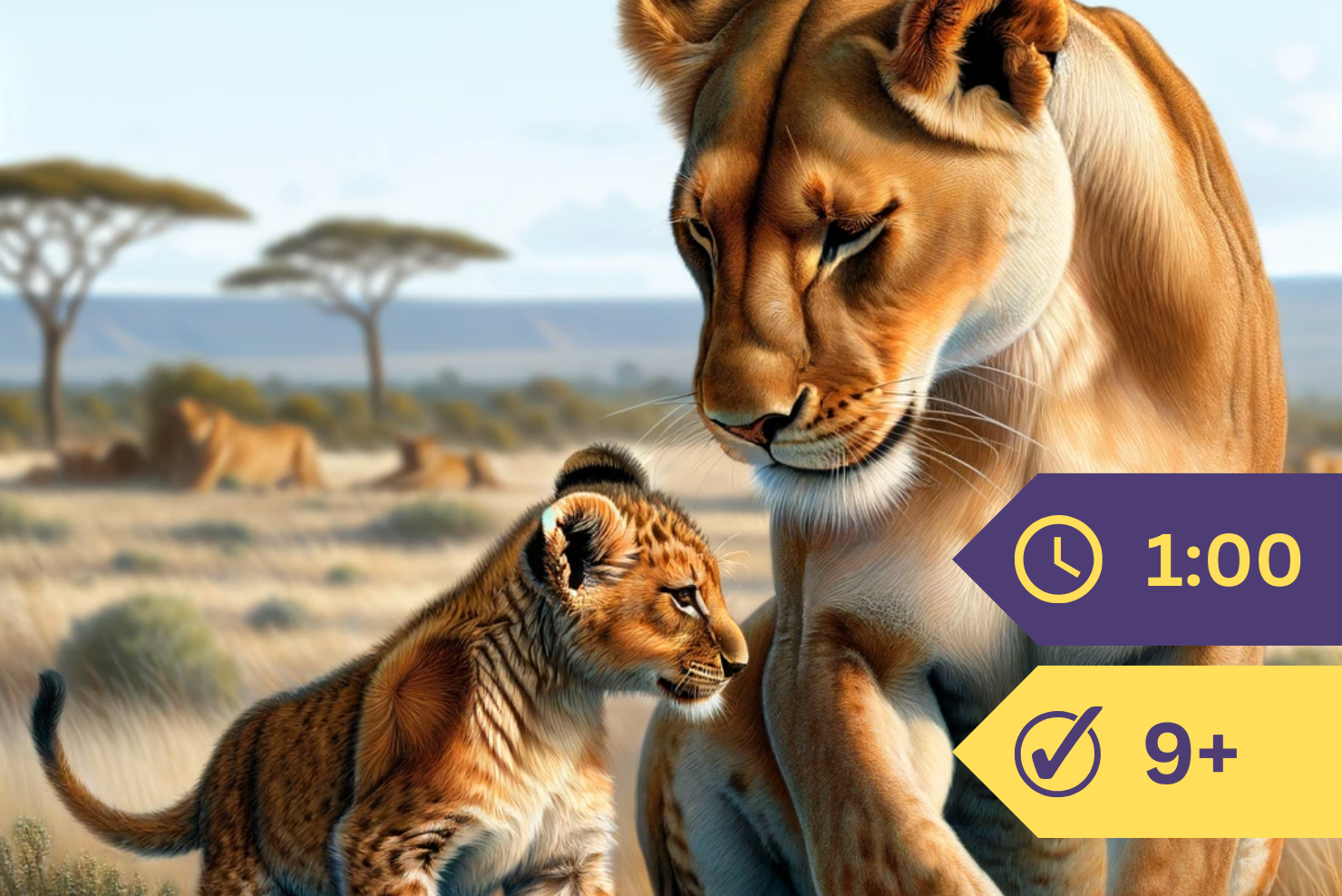
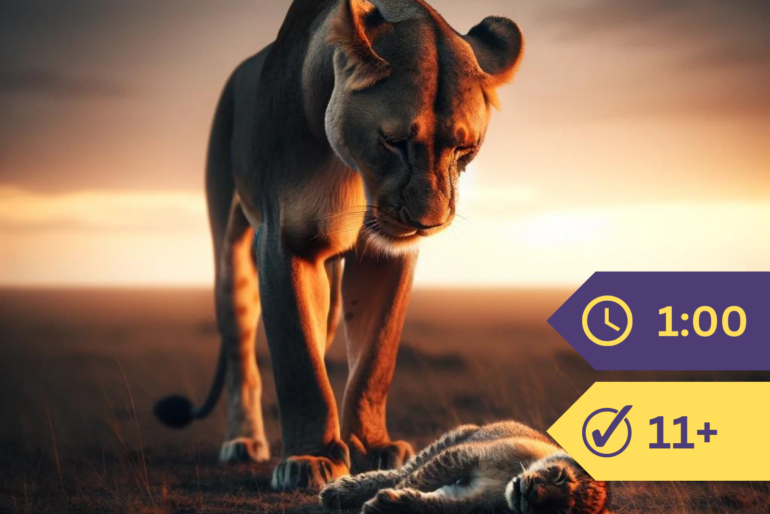
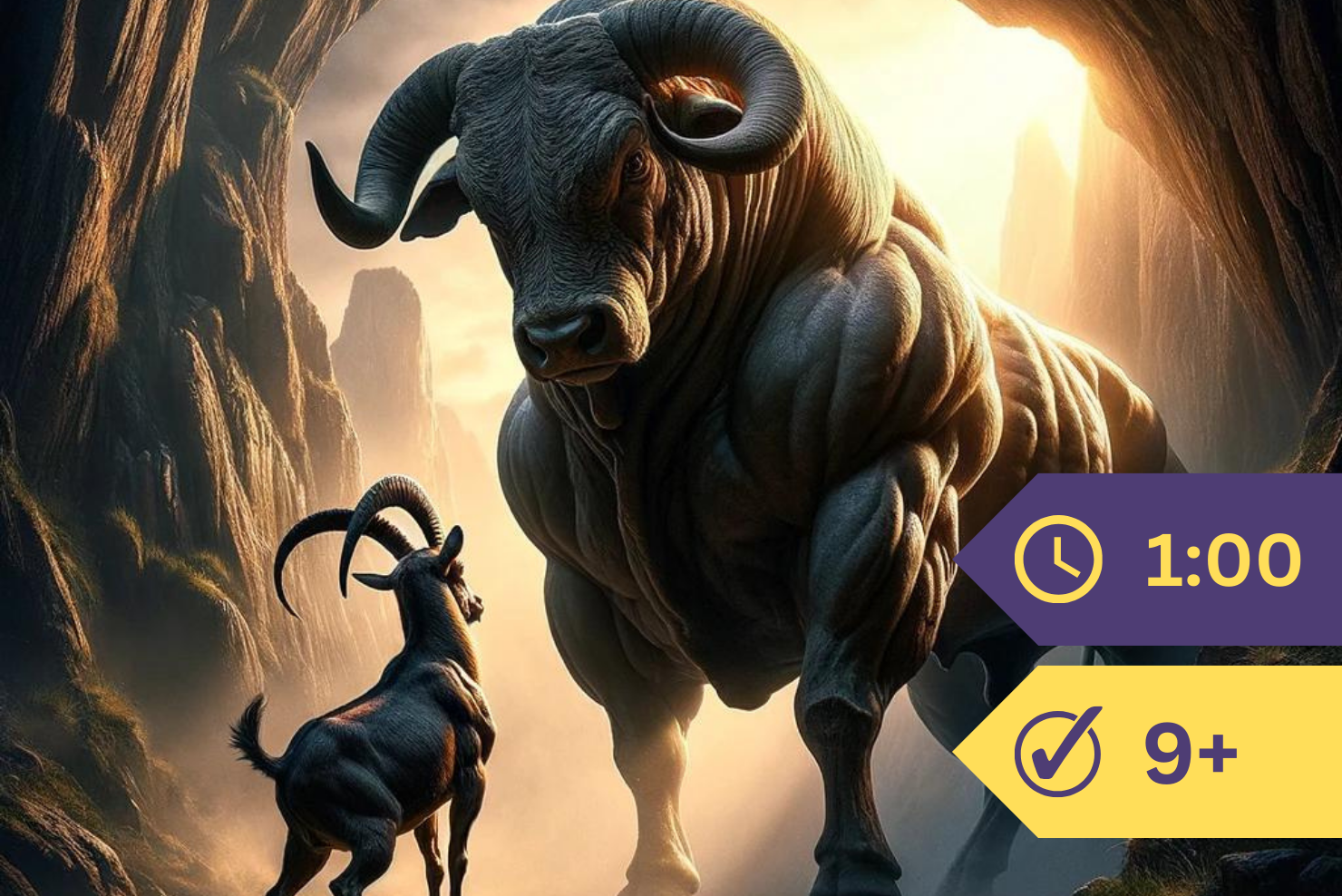
A Bull finding a lion’s cub asleep gored him to death with his horns. The Lioness came up, and bitterly lamented the death of her whelp. A wild-boar Hunter, seeing her distress, stood at a distance and said to her, “Think how many men there are who have reason to lament the loss of their children, whose deaths have been caused by you.”


Credits

Aesop was an ancient Greek storyteller, believed to have lived around 620–564 BCE, whose fables have shaped moral literature across cultures for over two millennia. This particular fable is among the briefest in the Aesopian tradition, distilling its entire argument into a single devastating exchange between a grieving predator and a quietly defiant human witness.