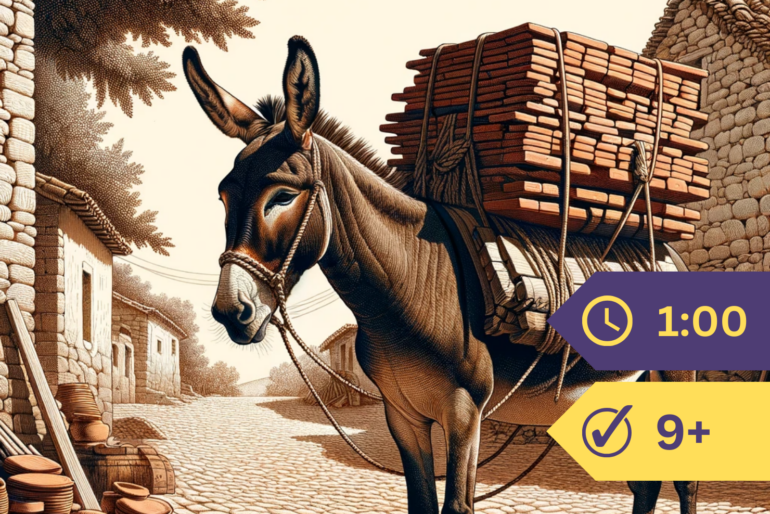
The Ass and His Masters

Summary


"The Ass and His Masters" is a short Aesop fable about a donkey who cannot stop believing his next master will treat him better. Overworked and underfed by an herb-seller, he begs Jupiter for a new owner — only to find himself hauling heavy loads for a tile-maker. A second plea lands him with a tanner, and the Ass finally grasps the full weight of his situation: each complaint carried him somewhere worse, and this master will profit from his hide even after death.


Read Online

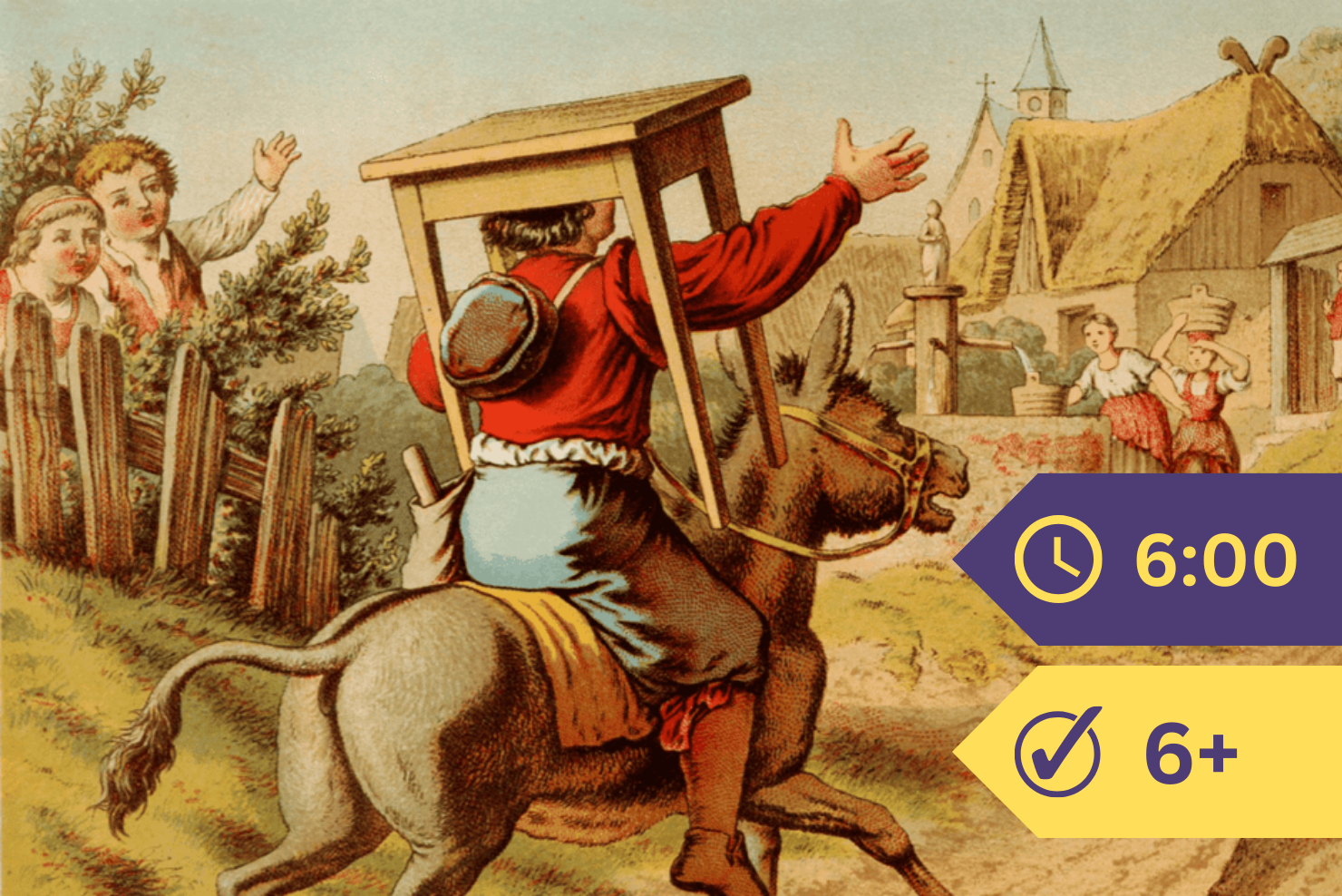
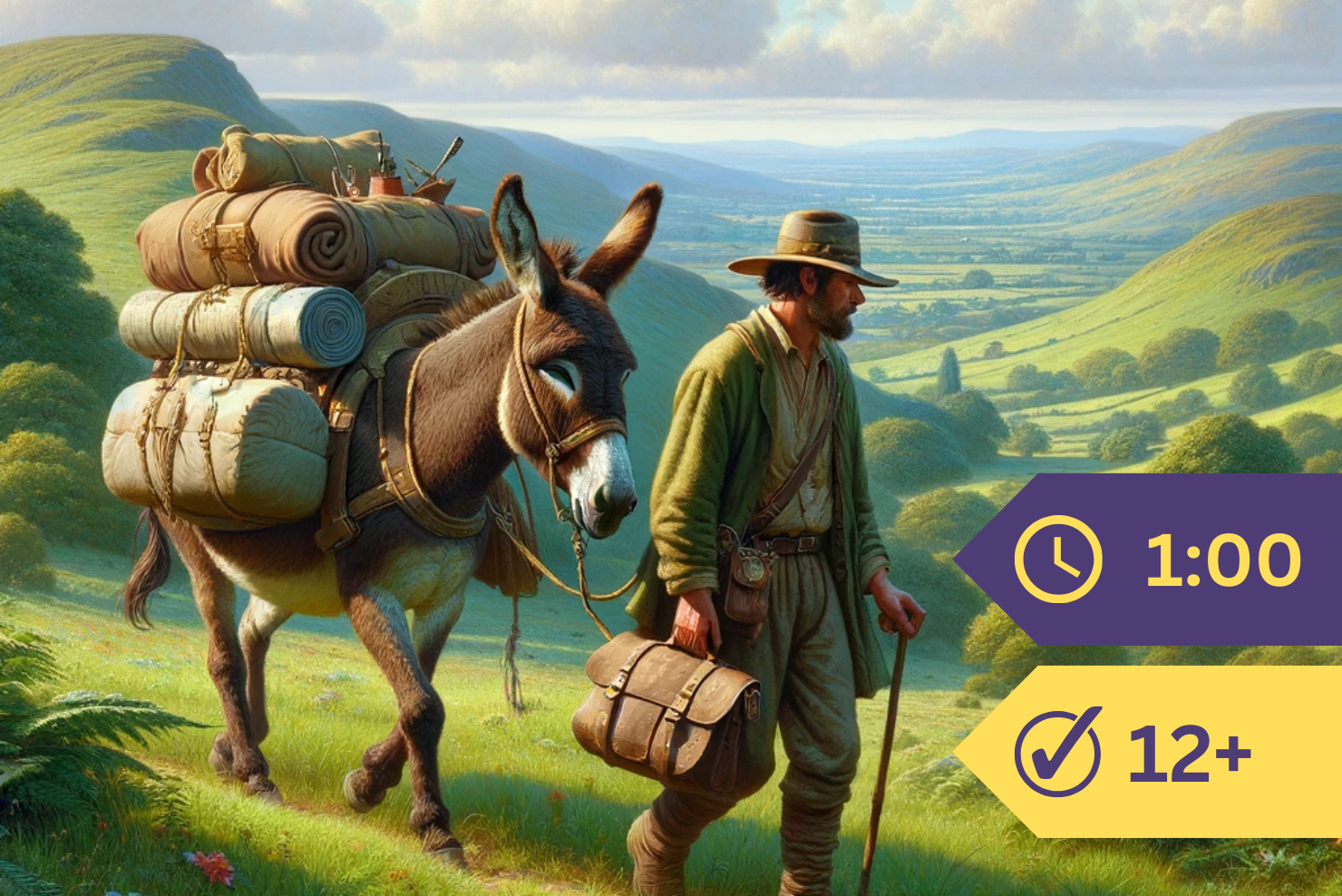
An Ass, belonging to an herb-seller who gave him too little food and too much work made a petition to Jupiter to be released from his present service and provided with another master. Jupiter, after warning him that he would repent his request, caused him to be sold to a tile-maker. Shortly afterwards, finding that he had heavier loads to carry and harder work in the brick-field, he petitioned for another change of master. Jupiter, telling him that it would be the last time that he could grant his request, ordained that he be sold to a tanner. The Ass found that he had fallen into worse hands, and noting his master’s occupation, said, groaning: “It would have been better for me to have been either starved by the one, or to have been overworked by the other of my former masters, than to have been bought by my present owner, who will even after I am dead tan my hide, and make me useful to him.”


Credits

Aesop was an ancient Greek storyteller, believed to have lived around the 6th century BCE, whose fables have shaped moral literature across the world for over two thousand years. "The Ass and His Masters" is one of his many animal fables that use a simple, almost darkly comic premise to deliver an enduring lesson about the dangers of discontentment. His stories were passed down orally for centuries before being collected and translated into countless languages.