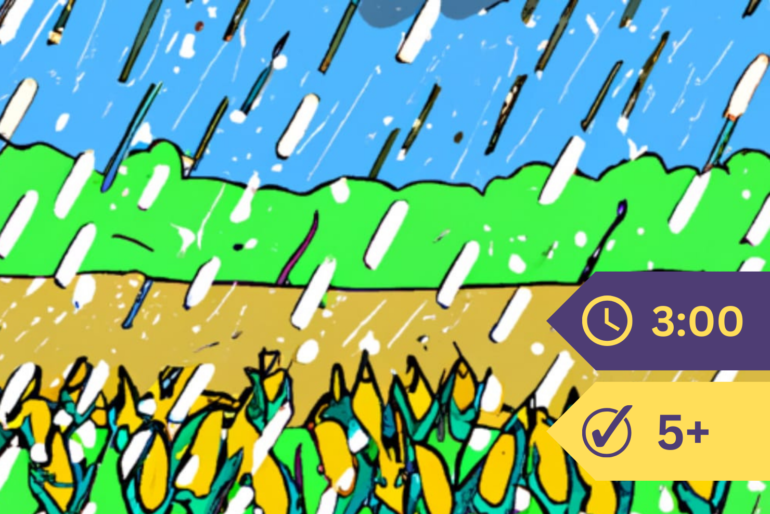
There was once a farmer who had a large field of corn; he ploughed it and planted the corn and harrowed and weeded it with great care and on his field he depended for the chief support of his family. But after he had worked hard, he saw the corn begin to wither and droop for rain, and he began to have fears for his crop. He felt very sad, and went over every day to look at his corn, and see if there was any hope of rain.
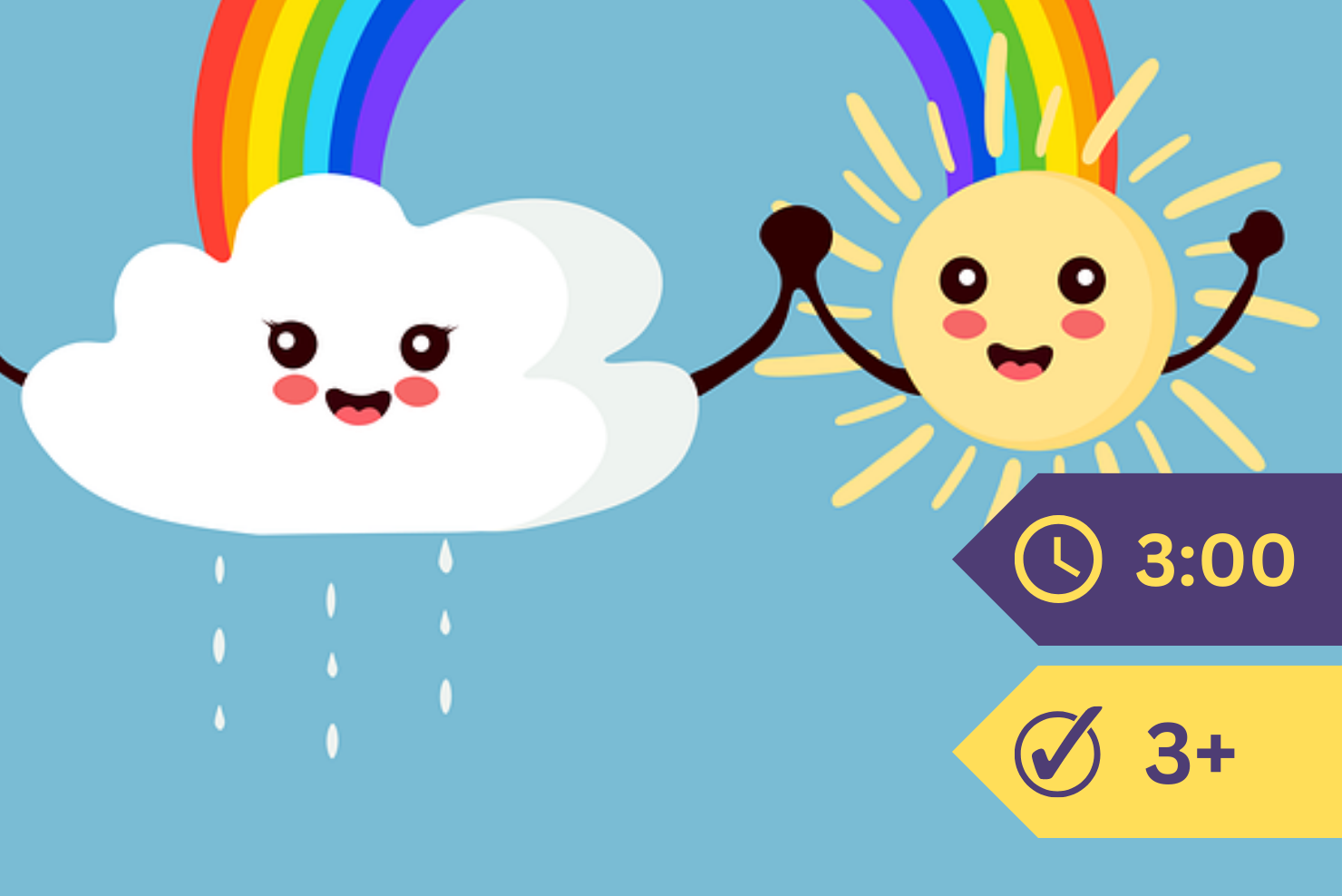
One day as he stood looking at the sky, and almost in despair, two little raindrops up in the clouds over his head saw him, and one said to the other: “Look at that farmer; I feel sorry for him, he has taken so much pains with his field of corn, and now it is drying up ; I wish I could do him some good.”
“Yes,” said the other, “but you are only a little raindrop; what can you do? You can’t even wet one hillock.”
“Well,” said the first, “to be sure I can’t do much, but I can cheer the farmer a little at any rate, and I am resolved to do my best; I’ll try. I’ll go to the field to show my good will, if I can do no more ; and so here I go.”
The first raindrop had no sooner started for the field than the second one said: “Well, if you are going, I believe I will go, too; here I come.”
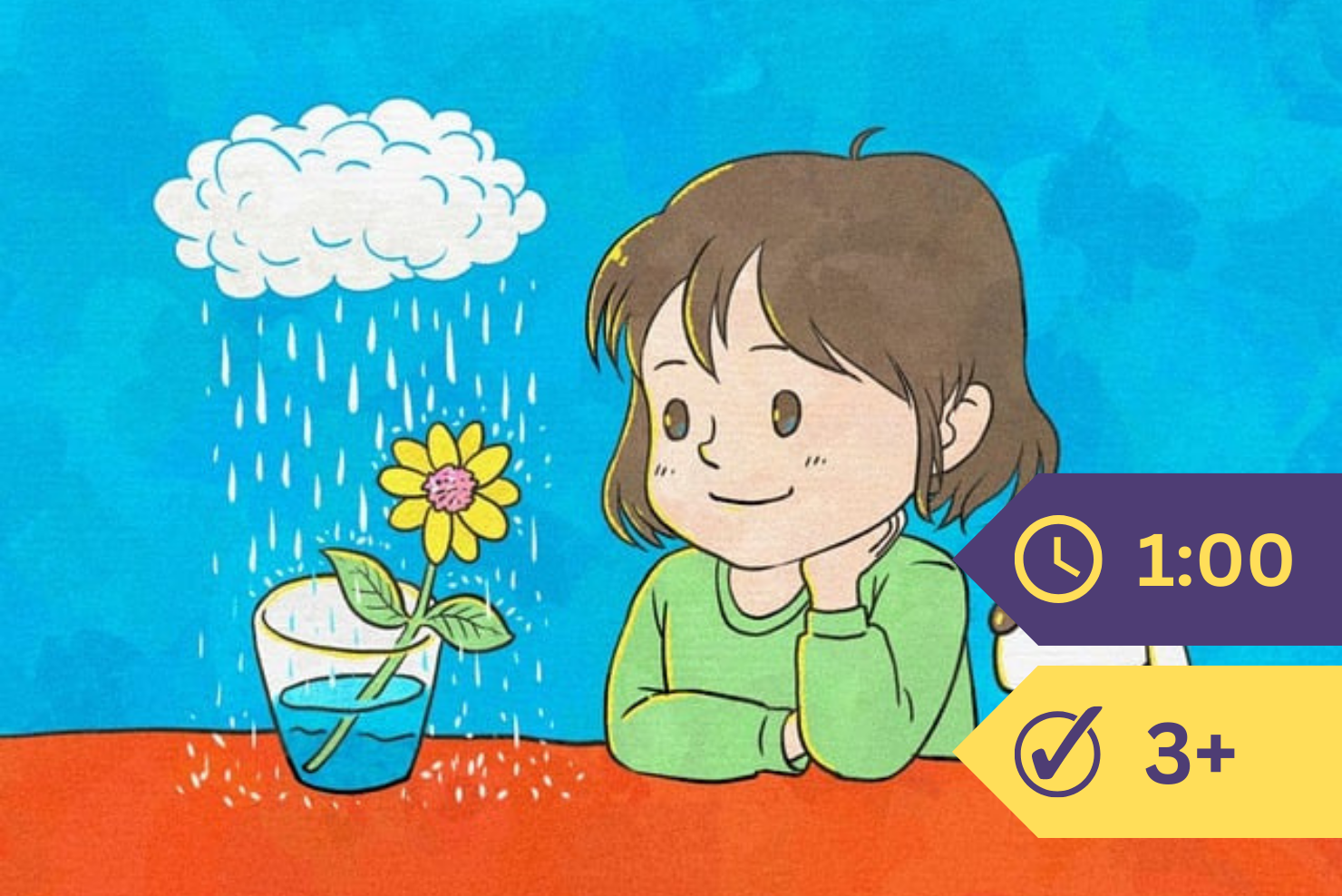
And down went the raindrops — one came pat on the farmer’s nose, and one fell on a stalk of corn. “Dear me,” said the farmer, putting his finger to his nose, “what’s that? A raindrop! where did that come from? I do believe we shall have a shower.”

By this time a great many raindrops had come together to hear what their companions were talking about, and when they saw them going to cheer the farmer and water the corn, one said : “If you are going on such a good errand, I’ll go, too,” and down he came.
“And I,” said another, “and I,” and so on, till a whole shower came, and the corn was watered, and it grew and ripened — all because the first little raindrop determined- to do what it, could.