
Theo van Hoytema
Dive into Theo van Hoytema’s fairy tales and illustrated stories — read them online for free, filter to discover your favorites, and learn more about the author.
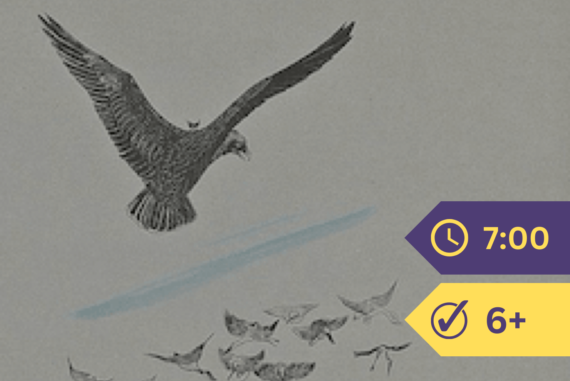
Theo van Hoytema (1863–1917) was a Dutch artist and illustrator, celebrated for his richly decorative work in the tradition of Art Nouveau. Born in The Hague, he developed a distinctive visual style characterized by flowing lines, intricate patterns, and a deep fascination with the natural world — particularly birds and animals. While he is perhaps best remembered as a graphic artist and poster designer, Van Hoytema also brought his imaginative sensibility to the world of illustrated fairy tales and picture books.
His work as an illustrator was deeply intertwined with storytelling. Van Hoytema had an extraordinary ability to breathe personality and emotion into animal characters, giving them dignity, humor, and a sense of inner life. This talent is evident in How The Birds Got A King, a fairy tale that draws on the old tradition of animals deliberating and deciding among themselves — a world in which birds hold councils, debate leadership, and reflect, in their own way, the concerns of human society. The story opens with a reminder of a time when people and birds shared a common language, setting a tone that is both nostalgic and gently whimsical.
Van Hoytema’s fairy tales belong to the Central European and Dutch tradition of nature fables, where animals serve as both protagonists and moral mirrors. His narratives are rooted in folklore and oral tradition, yet his visual and literary interpretations gave them a distinctly personal warmth. The animals in his stories are never merely symbolic; they are observed with the careful eye of a naturalist and rendered with the imagination of a true artist.
Beyond his illustrated books, Van Hoytema was a prolific designer of lithographic posters and calendars, several of which featured birds in elaborate decorative compositions. His posters for the Amsterdam Zoo remain among the most recognizable works of Dutch Art Nouveau. This dual identity — as both a fine artist and a storyteller for children — places him in an interesting position in Dutch literary and artistic history, bridging the world of high decorative art and accessible popular narrative. His illustrated fairy tales represent a small but distinctive corner of his broader legacy.