
Lillian M. Gask
Dive into Lillian M. Gask’s collection of fairy tales and folk stories — read them online for free, filter to discover your favorites, and explore our article to learn more.
Lillian M. Gask was a British author active in the late nineteenth and early twentieth centuries, best known for her retellings of folk tales, fairy stories, and nature writing aimed at younger readers. She was a prolific writer who contributed to a rich tradition of popular storytelling during a period when collections of world folklore were in high demand among English-language audiences.
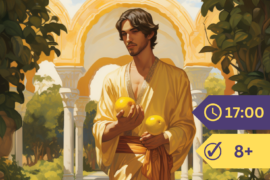
Gask had a particular talent for adapting tales drawn from diverse cultural traditions, bringing them to life with a warm and accessible narrative voice. Her work drew on sources from across Europe and beyond, often centering on royal courts, magical objects, and characters tested by fortune or fate. In The Three Lemons, for example, a sultan’s beloved son embarks on a journey shaped by the conventions of classic fairy tale storytelling — handsome, virtuous, and admired at court, he is the archetypal young hero placed at the heart of an enchanting adventure involving mysterious fruit with hidden powers.
Her retellings are notable for their clear, flowing prose and their fidelity to the spirit of the original folk sources, even as she shaped them for a particular readership. Gask understood how to balance the wonder and strangeness of traditional tales with a narrative clarity that made the stories engaging without stripping away their imaginative depth. This balance is evident in the way she handles plot, character, and moral consequence across her various collections.
Lillian M. Gask occupies a quiet but notable place in the history of children’s literature and popular folklore publishing in Britain. Her books helped introduce readers to folk traditions from around the world at a time when such cultural exchange through storytelling was both fashionable and genuinely educational. Her work remains a useful record of how international folk tales were received, translated, and retold for English-speaking audiences in the early twentieth century.