
Laura E. Richards
Dive into Laura E. Richards’s complete stories and children’s tales — read them online for free, filter to discover your favorites, and explore our article to learn more.
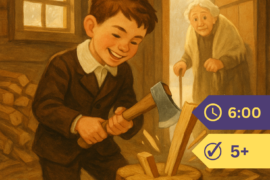

Laura E. Richards (1850–1943) was an American author best known for her contributions to children’s literature. Born in Boston, Massachusetts, she was the daughter of poet Julia Ward Howe and social reformer Samuel Gridley Howe, a literary pedigree that shaped her own prolific writing career. Over the course of her long life, Richards produced more than ninety books, earning a reputation as one of the most respected American writers for young readers of her era. In 1917, she was awarded the Pulitzer Prize for Biography, sharing the honor for a life of her mother co-written with her sister Maud Howe Elliott.
Richards had a particular gift for moral storytelling delivered with warmth and gentle imagination. Her tales for children often centered on themes of kindness, duty, courage, and the rewards of a good character — presented not through heavy-handed lessons but through vivid characters and lively narrative situations. In The Coming of the King, for instance, a group of children must decide how to prepare their town for a royal visit, and the story quietly explores what it means to do one’s best and act with sincerity. The tale is characteristic of Richards’s style: accessible, morally grounded, and rooted in the everyday world of childhood experience.
Beyond her fiction, Richards was also celebrated for her nonsense verse and poetry for children, much of which appeared in the collection Tirra Lirra: Rhymes Old and New. Her verse was playful and musical, drawing comparisons to Edward Lear and Lewis Carroll in its comic inventiveness. This range — from earnest moral tales to lighthearted rhymes — made her a versatile and enduring presence in American children’s publishing from the late nineteenth century well into the twentieth.
Laura E. Richards remains a notable figure in the history of American literature for young readers. Her work bridged the Victorian tradition of morally instructive children’s fiction and a more modern, reader-centered approach that prioritized enjoyment alongside edification. Her long career, her Pulitzer recognition, and the lasting appeal of stories like The Coming of the King speak to her skill in crafting narratives that resonate with both the imagination and the conscience of young audiences.