
Josephine Preston Peabody
Dive into Josephine Preston Peabody’s complete collection of myth retellings and short stories — read them online for free, filter to discover your favorites, and explore our article to learn more about the author.

Josephine Preston Peabody (1874–1922) was an American poet, playwright, and author whose literary career flourished during the late nineteenth and early twentieth centuries. Born in New York and later closely associated with the Boston literary scene, she studied at Radcliffe College and became known for her richly lyrical approach to classical subjects. Her work sat at the intersection of poetry and prose, earning her recognition among the prominent literary voices of her era.
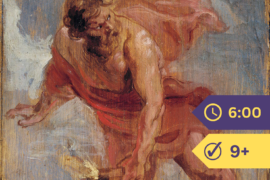
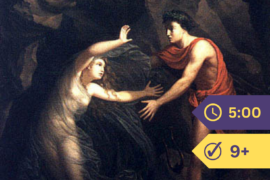
Peabody had a particular gift for retelling the myths of ancient Greece in language that was vivid and precise without stripping away their grandeur. Her retellings treat the old stories as genuinely dramatic human narratives — full of moral weight, consequence, and feeling. In Prometheus, she traces the great Titan’s rebellion against Zeus with a steady sense of cosmic stakes, while The Deluge portrays the moral decay of early mankind as an almost inevitable tragedy. Her version of Orpheus and Eurydice captures the aching tenderness at the heart of that myth, centering the story on the impossible bargain between love and loss.
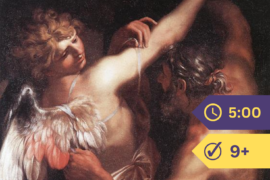
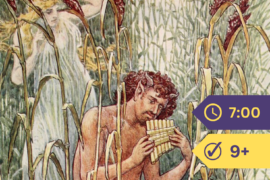
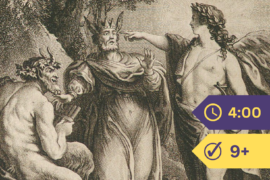
Her treatment of myth extends naturally to figures of music and transformation. In The Judgement of Midas, the rivalry between Pan and Apollo becomes a meditation on vanity and discernment, while The Wood-folk renders Pan’s pastoral world — shepherds, fauns, satyrs, and beasts — with warmth and detail. The story of Icarus and Daedalus is perhaps her most enduring retelling, balancing the brilliance of Daedalus’s craft against the fatal overreaching of his son.
Across these stories, Peabody consistently emphasizes the interior lives of mythological figures — their ambitions, their grief, and their relationship to forces larger than themselves. Her prose carries the cadence of someone trained in verse: sentences are measured, imagery precise, and emotional undercurrents are allowed to run deep without being overstated. This quality distinguishes her retellings from simple summaries; they read as independent literary works rooted in their classical sources. Peabody occupies a secure place in the tradition of American writers who helped introduce classical mythology to broader readerships in the early twentieth century.