
Joseph Martin Kronheim
Dive into Joseph Martin Kronheim’s illustrated nursery rhymes and classic children’s stories — read them online for free, filter to discover your favorites, or explore our article to learn more.
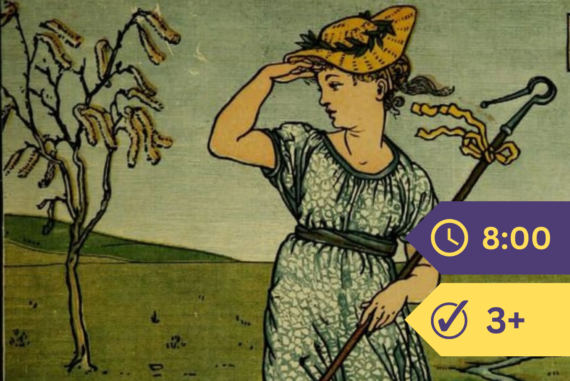
Joseph Martin Kronheim (1810–1896) was a German-born British engraver and color printer who became one of the most influential figures in Victorian-era illustrated publishing. Working primarily in London, Kronheim pioneered chromoxylography — a technique for printing illustrations in multiple colors from woodblocks — which made richly colored picture books accessible and affordable for a wide Victorian audience. His contributions helped shape the golden age of illustrated children’s literature in Britain.
Kronheim’s firm, J.M. Kronheim & Co., produced a vast range of illustrated books, many of them aimed at young readers. His work was defined by bright, vivid imagery that brought familiar verses and stories to life on the page. Among the nursery rhymes and tales associated with his illustrated editions is Little Bo-Peep, the well-known rhyme about a young shepherdess who loses her flock and is advised to leave them alone, trusting they will find their own way home. The gentle moral patience embedded in that simple verse made it a natural subject for Kronheim’s warmly rendered visual style.
The nursery rhymes and children’s stories that Kronheim illustrated were largely drawn from the existing British oral and print tradition, but his colorful woodblock printing gave them a fresh and lasting visual identity. His editions circulated widely during the mid-to-late nineteenth century, reaching households across Britain and contributing to how generations of children first encountered classic verses.
Kronheim’s legacy is primarily that of a craftsman and visual interpreter rather than an original author — his artistry lay in translating words into images with remarkable technical precision for the period. His printing innovations influenced the broader development of illustrated publishing and helped establish color illustration as a standard feature of children’s books. Today, his work stands as an important part of Victorian print culture and the history of children’s literature.