
John Fortescue Brickdale
Dive into John Fortescue Brickdale’s complete collection of short stories and read them online for free — filter to discover your favorites, or explore our article to learn more.
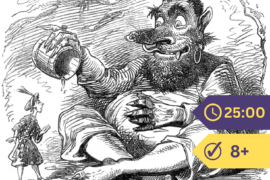
John Fortescue Brickdale was a British author associated with whimsical and humorous storytelling, writing in a style that blends absurdist wit with the conventions of classic adventure and fairy-tale fiction. Though not among the most widely documented figures in literary history, his work reflects a tradition of playful English prose that delights in comic anachronism and tongue-in-cheek narrative voice.
His storytelling is characterized by a distinctive comic sensibility — one that leans heavily on irony, deliberate impossibility, and a self-aware narrator who winks at the reader through the text. This is evident from the very opening lines of Prince Hassan and the Ogre, in which the story begins with the boldly absurd declaration that Easter Monday, approximately seventeen thousand years ago, fell on a Tuesday, the 1st of April. This kind of cheerful logical contradiction sets the tone for an adventure involving the gallant young Prince Hassan, heir-apparent of All the Cashmeres, and suggests a writer who took genuine pleasure in subverting the expectations of conventional fantasy.
The story draws on the rich tradition of Oriental romance and quest narratives, placing its hero in a world of hounds, adventure, and larger-than-life antagonists — in this case, an ogre — while undercutting the epic register with wry, comedic prose. This blend of grand subject matter and deflating humor places Brickdale’s work in a lineage that includes English comic writers who used the machinery of myth and legend as a vehicle for wit rather than solemnity.
Brickdale’s work, while scarce in surviving documentation, offers a glimpse into a style of light literary fiction that flourished in British periodicals and anthologies during the Victorian and Edwardian periods, when humorous short fiction was a popular and respected form. His stories reflect the tastes of an era that valued clever prose, playful invention, and the pleasures of narrative surprise.