
Jane Andrews
Dive into Jane Andrews’ complete collection of stories and educational tales — read them online for free, filter to discover your favorites, or explore our article to learn more.

Jane Andrews (1833–1887) was an American educator and children’s author from Newburyport, Massachusetts. A devoted teacher and a student of the progressive educator Friedrich Froebel, she dedicated much of her life to making learning vivid, imaginative, and accessible for young readers. Her books were widely read in American schoolrooms and homes during the latter half of the nineteenth century, and she remains a notable figure in the tradition of educational literature for children.
Andrews had a distinctive gift for weaving factual knowledge into narrative form. Rather than presenting information as dry instruction, she used storytelling as a vehicle — crafting tales in which nature, history, and the wider world became characters and settings in their own right. Her writing reflects a careful, observant mind and a genuine belief that children learn best when their curiosity is engaged through story and image.
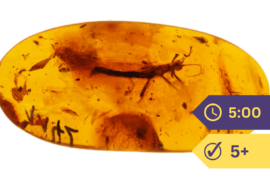
Among her works on this page, The Story of the Amber Beads is a fine example of her nature-centered storytelling. The tale personifies Mother Nature as a nurturing, almost mythological figure responsible for the care of the earth — a device Andrews used to make the natural world feel intimate and purposeful to a child reader. Similarly, Winter’s Herald draws on the imagery of medieval chivalry, depicting the coming of winter through the lens of knights, shields, and ceremonial pageantry. This approach — borrowing the romance of history to illuminate a seasonal or scientific idea — is characteristic of Andrews at her most inventive.
Andrews is perhaps best remembered as the author of Seven Little Sisters Who Live on the Round Ball That Floats in the Air (1861) and its companion volume Each and All (1878), which introduced young American readers to children from different parts of the globe. These books were among the earliest attempts in American children’s literature to present world geography through sympathetic, child-centered narratives. Her work anticipated later trends in multicultural and humanistic education by several decades, and her storytelling style influenced how educators thought about combining imagination with instruction throughout the late nineteenth century.