
Hanna Diyab
Dive into Hanna Diyab’s complete collection of Arabian fairy tales and fantastical stories — read them online for free, filter to discover your favorites, and learn more about the author.







Hanna Diyab was an eighteenth-century Syrian storyteller from Aleppo whose contribution to world literature is both remarkable and long underappreciated. A Maronite Christian merchant who traveled to France in the early 1700s, Diyab encountered the French orientalist Antoine Galland in Paris around 1709. It was through their conversations that some of the most famous stories in the Western imagination were first recorded.
Galland was in the process of translating and expanding One Thousand and One Nights into French, and Diyab served as an oral source for a number of tales that had no known written Arabic antecedent. Scholars now credit Diyab as the originator — or at least the primary oral transmitter — of several of the collection’s most celebrated narratives. His own memoir, Kitab al-siyaha (Book of Travels), written later in his life, confirms his central role in bringing these stories to Galland’s attention.
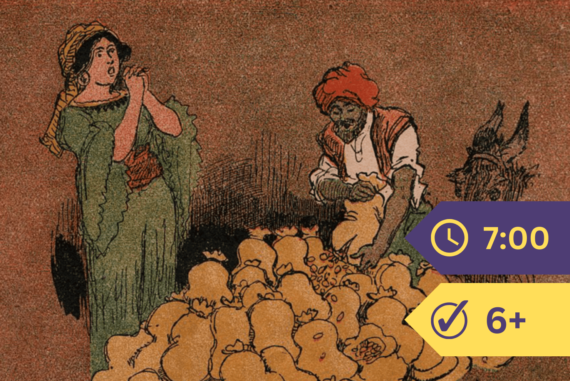
The stories associated with Diyab are characterized by vivid adventure, supernatural encounters, and morally complex characters navigating worlds of wealth and poverty, power and vulnerability. Ali Baba and the Forty Thieves and Aladdin and the Wonderful Lamp are perhaps the two most globally recognized tales traced back to him — stories built around clever protagonists who rise from humble origins through fortune and wit. Similarly, Sinbad the Sailor captures the spirit of maritime adventure and survival against extraordinary odds that runs throughout Diyab’s storytelling tradition.
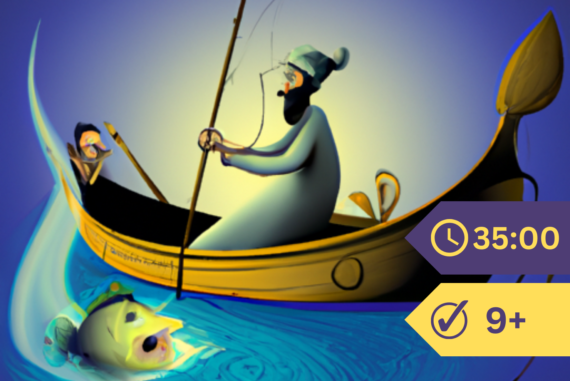
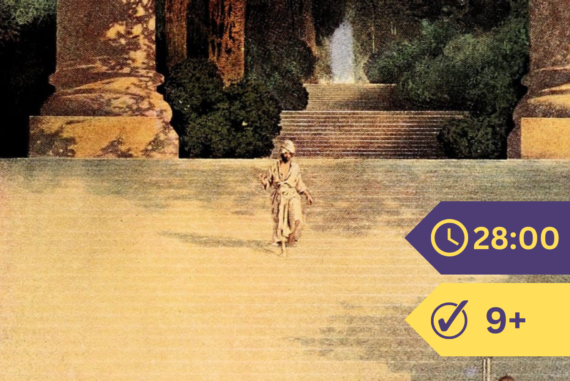
Beyond these famous titles, Diyab’s narratives explore a wide range of fantastical and human themes. The Fisherman and the Genie pits an ordinary, struggling man against a powerful supernatural force, while Jullanar of the Sea weaves together royal longing and oceanic mystery. The Enchanted Horse showcases the recurring motif of wondrous mechanical or magical objects that set extraordinary events in motion. Across all these tales, settings range from the courts of Persian and Indian sultans to the open sea and hidden caves, reflecting the broad geographical imagination of the Arabic storytelling tradition Diyab drew from.
For centuries, Diyab’s name was largely absent from literary history, with credit for these stories going either to Galland or to an anonymous oral tradition. Recent scholarship has worked to restore his place as a named, individual author — a Syrian traveler whose extraordinary memory and narrative gift quietly shaped some of the most enduring stories in world literature.