
Elizabeth Frances
Dive into Elizabeth Frances’s complete collection of children’s stories — Halloween adventures, bedtime tales, and whimsical fantasies — then filter to discover your favorites, or explore our article to learn more.
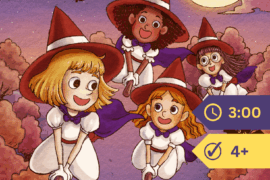
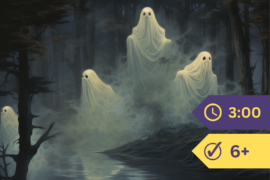

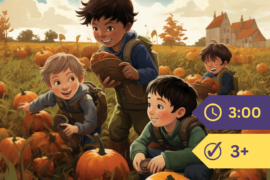
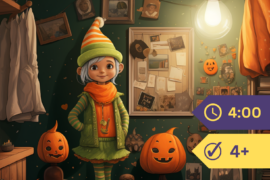
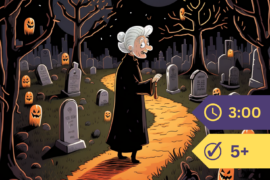
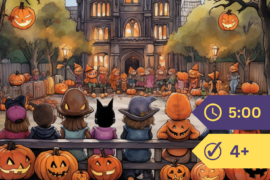
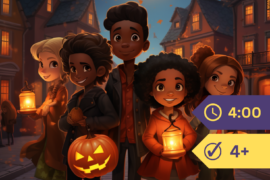
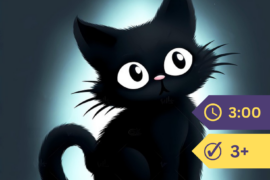
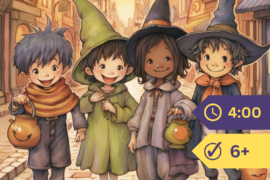
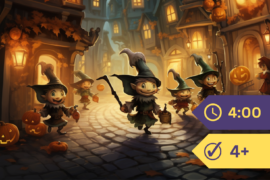
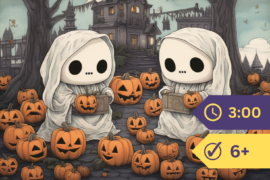

Elizabeth Frances is a children’s author known for her enchanting short stories centered on the folklore and festive magic of Halloween. Writing in a style suited to young readers, Frances draws on the imagery of jack-o’-lanterns, moonlit graveyards, mischievous goblins, and costumed children to build small worlds full of warmth and gentle suspense. Her work belongs to a tradition of seasonal storytelling in which the spookier elements of Halloween are softened into vehicles for imagination, friendship, and childhood wonder.
The stories Frances is associated with span a remarkably consistent thematic territory. Many of them follow groups of children navigating Halloween night together — playing pranks, dressing up, and discovering that the frightening is rarely as fearsome as it first appears. In The Haunted House, five young friends — Leon, Floyd, Hazel, Phyllis, and little Effie — are known for their adventurous spirit, a quality that leads them into the kind of suspenseful encounter that defines many of Frances’s plots. Similarly, Who Will Be Scared? follows a group of boarding-school girls who plan a Halloween prank, only to find the evening takes unexpected turns.
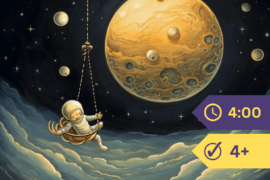
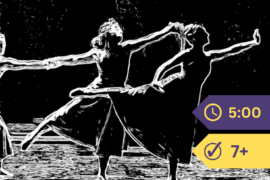
Frances also shows a fondness for the fantastical and the ceremonial. Moonbabies steps away from Halloween entirely, describing a mystical annual night when moonbeam creatures descend to Earth — a story with the cadence and comfort of a classic bedtime tale. Dance of the Lantern Girls imagines sixteen girls dressed in black netting and crepe paper, merging performance, costume, and celebration into a single atmospheric scene. The Brownies’ Frolic introduces seven small, mischievous figures in brown suits — creatures rooted in the brownie tradition of British and Irish folklore — rendered here with a playful energy appropriate for young audiences.
Across her stories, Frances returns repeatedly to the rituals children build around Halloween: carving pumpkins in Growing Jack-O’-Lanterns, exchanging letters and sweets in Halloween Letters, and staging shadow picture shows in The Halloween Picture Show. These details ground her fantastical stories in recognizable childhood experience, giving them both narrative momentum and a documentary quality — a record, however fictionalized, of how Halloween was celebrated and imagined in children’s culture. Frances’s body of work stands as a small but vivid contribution to the literature of seasonal festivity for children.