
Chow-Leung
Dive into Chow-Leung’s short stories and folk tales, read them online for free, filter to discover your favorites, and explore our article to learn more.
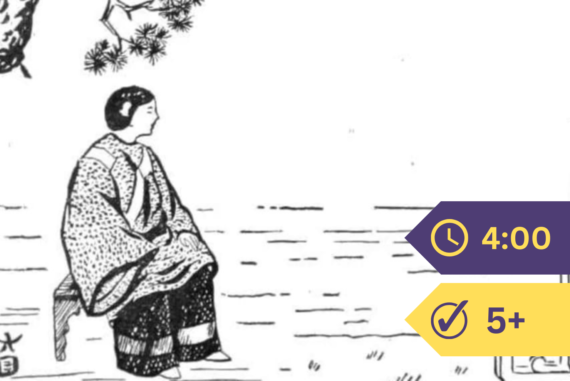
Chow-Leung is the author of a collection of Chinese myths, legends, and folk tales that were translated and published in the early twentieth century for Western audiences. Working to bridge two literary traditions, Chow-Leung brought stories rooted in ancient Chinese oral culture into English, preserving their lyrical, explanatory quality while making them accessible to new readers.
The stories attributed to Chow-Leung are largely origin tales — narratives that explain how the natural world came to look and behave as it does. They draw on a rich tradition of Chinese cosmological storytelling, in which the heavens, the earth, and the creatures within them are shaped by the deeds of gods, spirits, and legendary figures. How the Moon Got Her Face is a fine example of this tradition, recounting how the moon, once plain and unremarkable, came to possess the luminous, round face that casts its soft glow across the world. The story reaches back six thousand years into a mythic past, reflecting the deep time scales common to Chinese legendary narratives.
Stylistically, Chow-Leung’s tales are concise and imagistic, prioritising wonder and explanation over complexity of plot. They resemble the kind of pourquoi stories found across many world cultures — stories that answer the question “why” or “how” about the natural world — but they carry the specific textures of Chinese mythology, including its particular cast of celestial beings and its reverence for natural phenomena such as the moon, the sun, and the stars.
Chow-Leung’s work sits within a broader early twentieth-century effort to document and share Asian folk literature with international audiences, a project that helped preserve oral traditions in written form. These stories remain valuable both as literary artefacts and as windows into the cosmological imagination of ancient China.