
Bram Stoker
Dive into Bram Stoker’s complete books and short stories — read them online for free, filter to discover your favorites, and explore our article to learn more about the author.
Bram Stoker (1847–1912) was an Irish author best known for his contribution to Gothic and horror fiction. Born in Dublin, he spent much of his professional life in London, where he worked as a theatre manager for the famous actor Henry Irving. Though he wrote numerous novels and short stories throughout his career, it is his Gothic masterpiece that secured his permanent place in literary history.
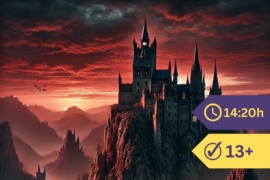
Stoker’s most celebrated work is undoubtedly Dracula (Full Book), published in 1897. The novel follows solicitor Jonathan Harker as he travels to Transylvania to assist the mysterious Count Dracula with a property purchase in England, only to find himself trapped in the Count’s eerie castle. Told through a series of journal entries, letters, and newspaper clippings, the narrative unfolds across multiple voices — including the resourceful Mina Murray and the determined Professor Van Helsing. This epistolary structure was unconventional for its time and gave the story an unsettling sense of realism. The novel drew on Eastern European folklore, Victorian anxieties about sexuality and foreign influence, and the emerging science of the era to create a villain who has endured in popular culture for over a century.
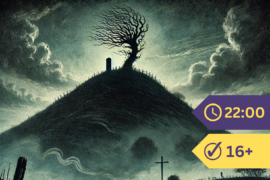
Beyond Dracula, Stoker also produced shorter fiction rooted in atmosphere and the uncanny. Gibbet Hill demonstrates his skill with landscape and mood, opening with a detailed, almost journalistic account of the Surrey countryside around Hindhead before weaving in darker historical undertones associated with the site. The piece reflects Stoker’s tendency to ground supernatural or sinister themes in vivid, precisely observed settings — a technique that makes his fiction feel grounded even at its most unsettling.
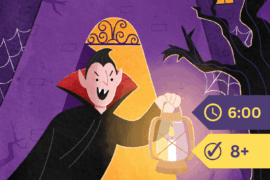
For younger readers, Dracula (Short Kids Version) offers a simplified retelling of the original novel, preserving the core adventure of Jonathan Harker’s journey to Transylvania while making the story accessible to a new generation of readers. It stands as evidence of how durably Stoker’s central narrative has translated across formats and audiences.
Stoker published other novels during his lifetime, including The Jewel of Seven Stars and The Lair of the White Worm, but none matched the cultural impact of Dracula. The character of Count Dracula became the defining archetype of vampire fiction, shaping countless adaptations in theatre, film, and literature throughout the twentieth century and beyond. Stoker’s work sits at the intersection of Victorian sensation fiction and modern horror, and his influence on the genre remains substantial.