The Vine and the Goat

Summary


"The Vine and the Goat" is a short Aesop fable about a flourishing vine at harvest time whose leaves and tendrils are carelessly eaten by a passing goat. The vine, rather than pleading for mercy, delivers a striking warning: even stripped to its roots, it will grow again — and the wine it produces may one day be poured at the very sacrifice where the goat meets its end. The fable captures how the consequences of thoughtless harm can circle back in unexpected ways.


Read Online

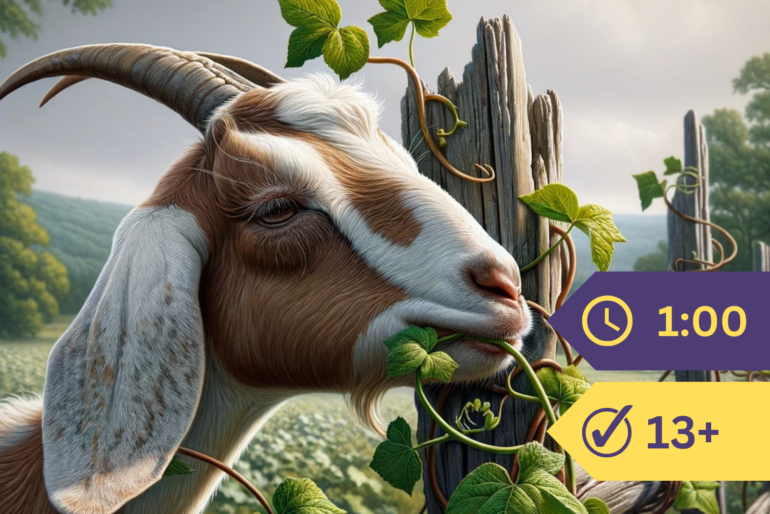
A Vine was luxuriant in the time of vintage with leaves and grapes. A Goat, passing by, nibbled its young tendrils and its leaves. The Vine addressed him and said: “Why do you thus injure me without a cause, and crop my leaves? Is there no young grass left? But I shall not have to wait long for my just revenge; for if you now should crop my leaves, and cut me down to my root, I shall provide the wine to pour over you when you are led as a victim to the sacrifice.”



Credits

Aesop was an ancient Greek storyteller, believed to have lived around the 6th century BCE, whose fables have been retold across cultures for over two millennia. "The Vine and the Goat" is notable for its quiet irony — the vine's revenge is not a threat of force, but a calm observation about the natural order of consequences.