The Thief and the Housedog

Summary


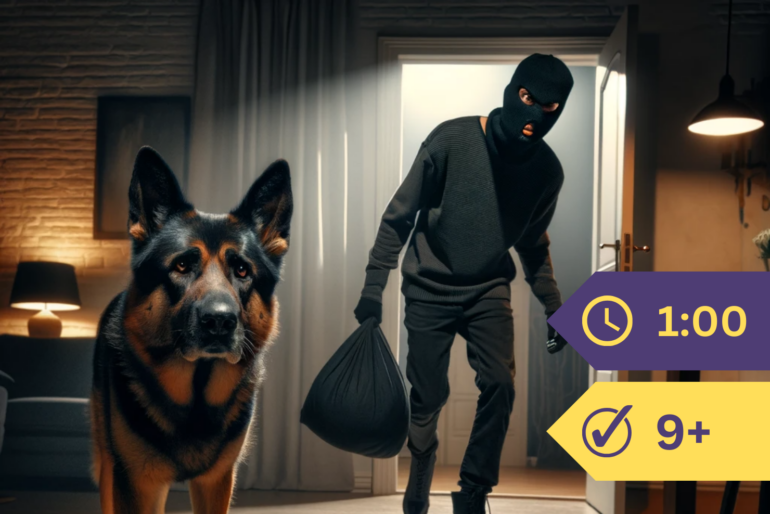
"The Thief and the Housedog" is one of Aesop's sharp, concise fables about loyalty and the danger of false generosity. When a thief arrives under cover of night with slices of meat, hoping to silence the watchdog before robbing the house, the dog refuses to be fooled. Rather than accepting the bribe, the dog grows more alert, recognising that sudden, unearned kindness from a stranger is not goodwill — it is a warning sign that something is being taken away.


Read Online

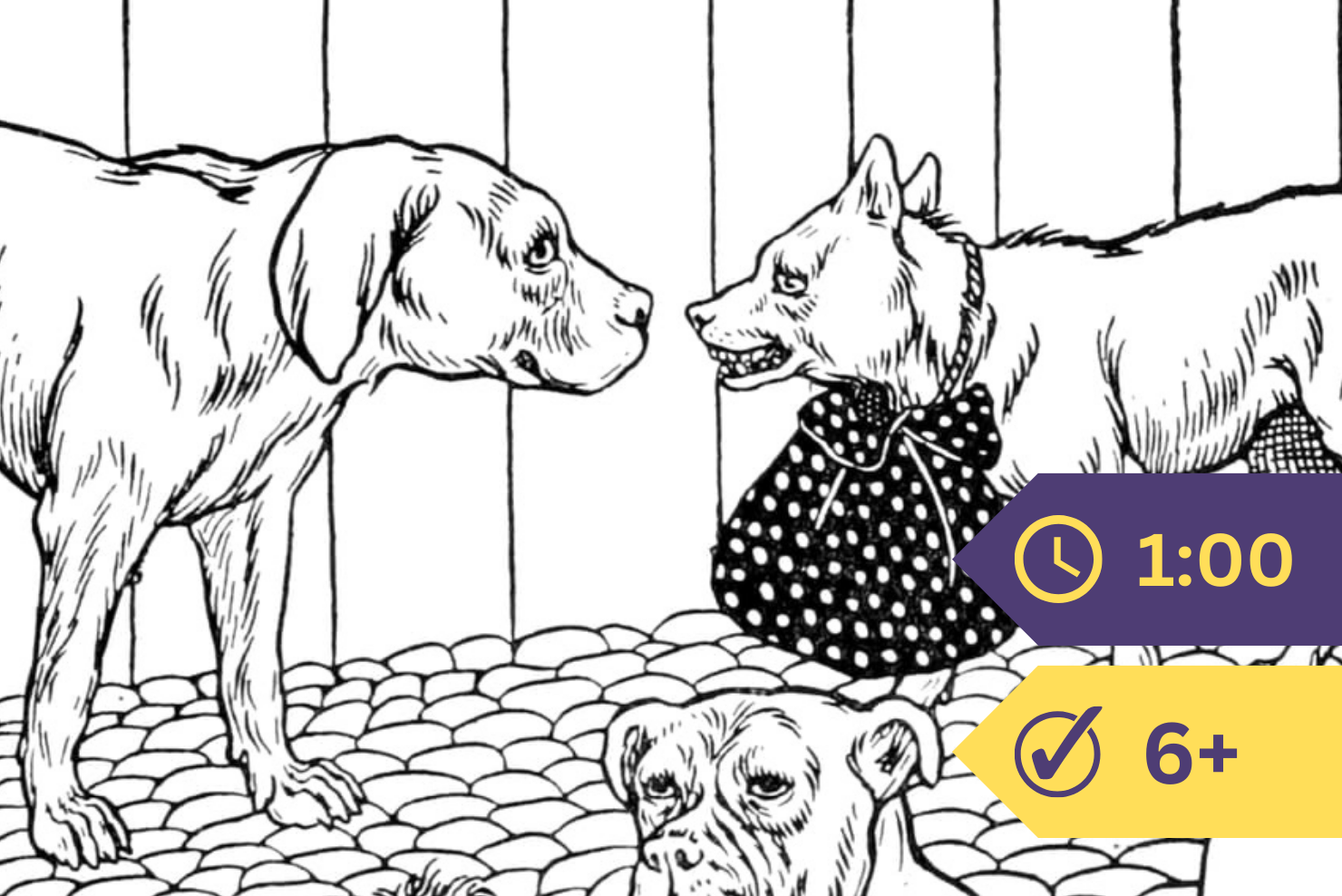
A Thief came in the night to break into a house. He brought with him several slices of meat in order to pacify the Housedog, so that he would not alarm his master by barking. As the Thief threw him the pieces of meat, the Dog said, “If you think to stop my mouth, you will be greatly mistaken. This sudden kindness at your hands will only make me more watchful, lest under these unexpected favors to myself, you have some private ends to accomplish for your own benefit, and for my master’s injury.”


Credits

Aesop was an ancient Greek storyteller, believed to have lived around the 6th century BCE, whose fables have shaped moral literature across the world for over two thousand years. "The Thief and the Housedog" is a particularly pointed example of his style — a single sharp exchange that delivers its lesson without a wasted word.