The Old Hound

Summary


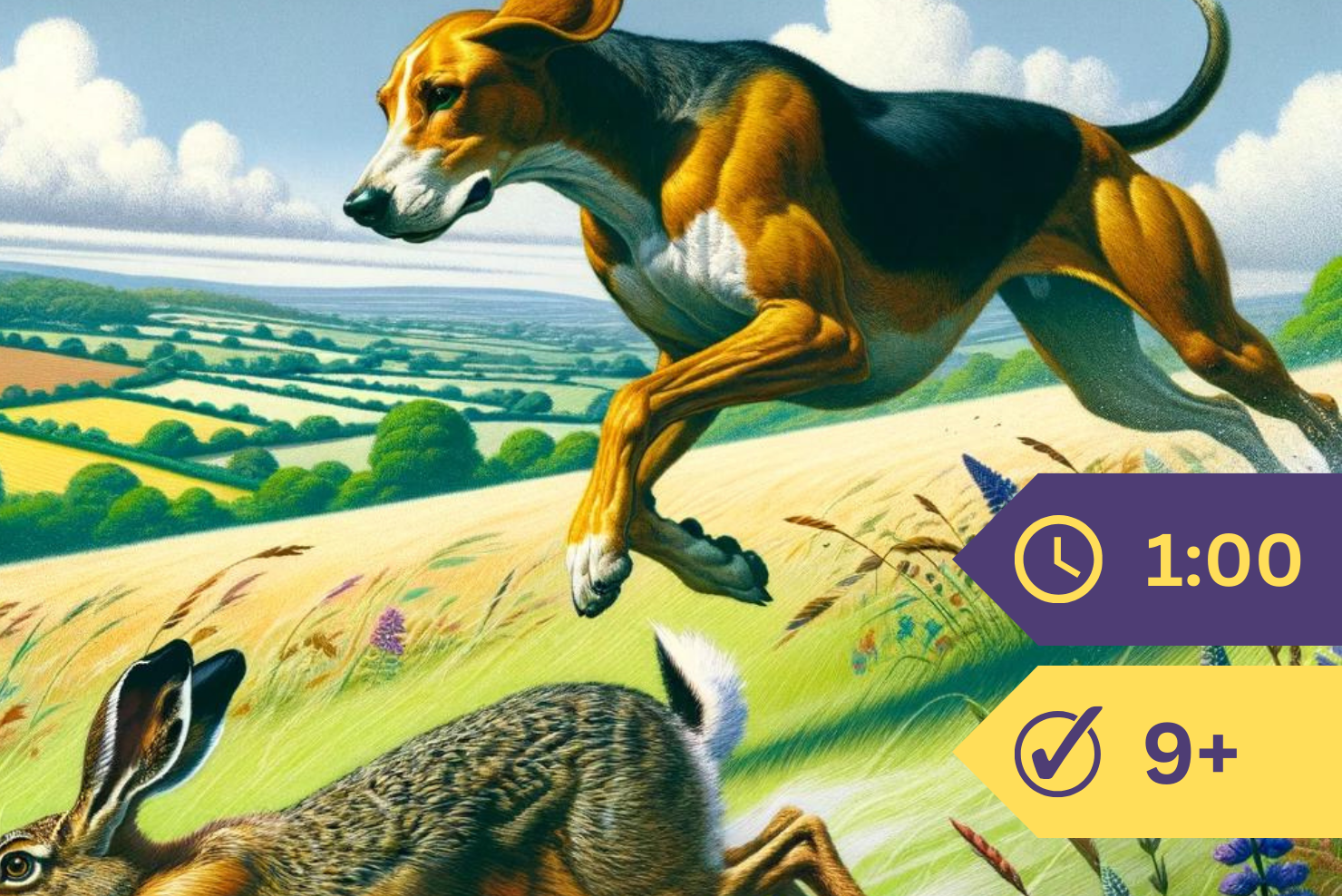
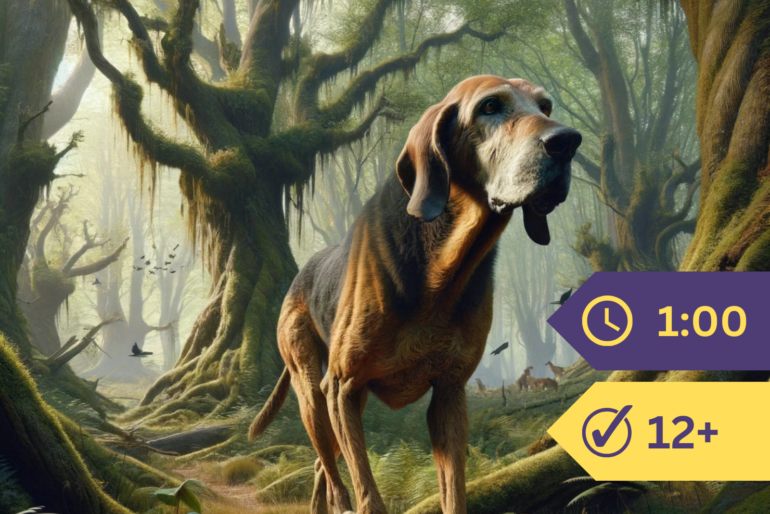
"The Old Hound" is a short fable by Aesop in which a once-mighty hunting dog confronts a wild boar despite his failing strength. Though his spirit remains fierce, his worn teeth cannot hold the boar, and the animal escapes. His master's sharp rebuke stings all the more for the hound's long years of loyal service. In quiet dignity, the old dog asks to be judged not by what age has taken from him, but by the courage he still carries within.

Read Online

A Hound, who in the days of his youth and strength had never yielded to any beast of the forest, encountered in his old age a boar in the chase. He seized him boldly by the ear, but could not retain his hold because of the decay of his teeth, so that the boar escaped. His master, quickly coming up, was very much disappointed, and fiercely abused the dog. The Hound looked up and said, “It was not my fault master: my spirit was as good as ever, but I could not help my infirmities. I rather deserve to be praised for what I have been, than to be blamed for what I am.”


Credits

Aesop was an ancient Greek storyteller, believed to have lived around 620–564 BCE, whose fables have shaped moral literature across centuries. His tales use animals to illuminate human truths with striking economy. "The Old Hound" reflects one of Aesop's recurring concerns — the injustice of judging loyalty and worth by present weakness alone, rather than a lifetime of faithful service.