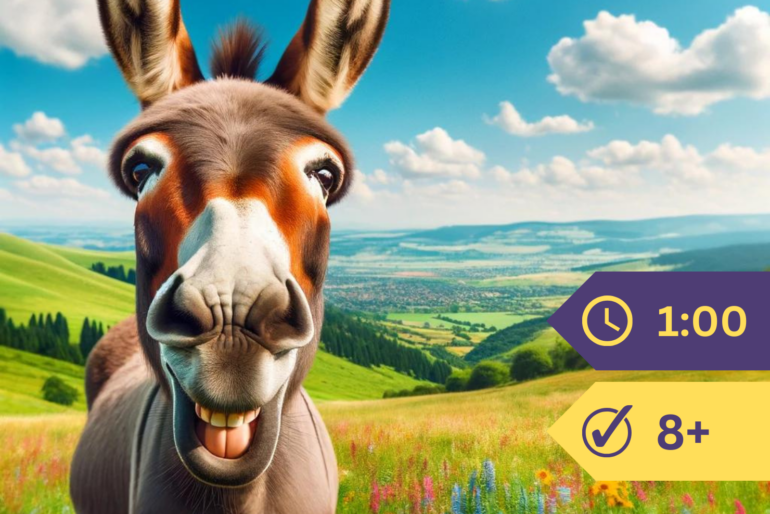
The Mule

Summary

"The Mule" is a short fable by Aesop in which a well-fed mule, bursting with energy after too much corn and too little work, convinces himself he must be the son of a spirited racehorse. His boasting feels absolute — until a long, exhausting journey strips away every illusion. What follows is a moment of deflating honesty that cuts right to the heart of pride built on false foundations and the gap between who we imagine ourselves to be and who we truly are.


Read Online

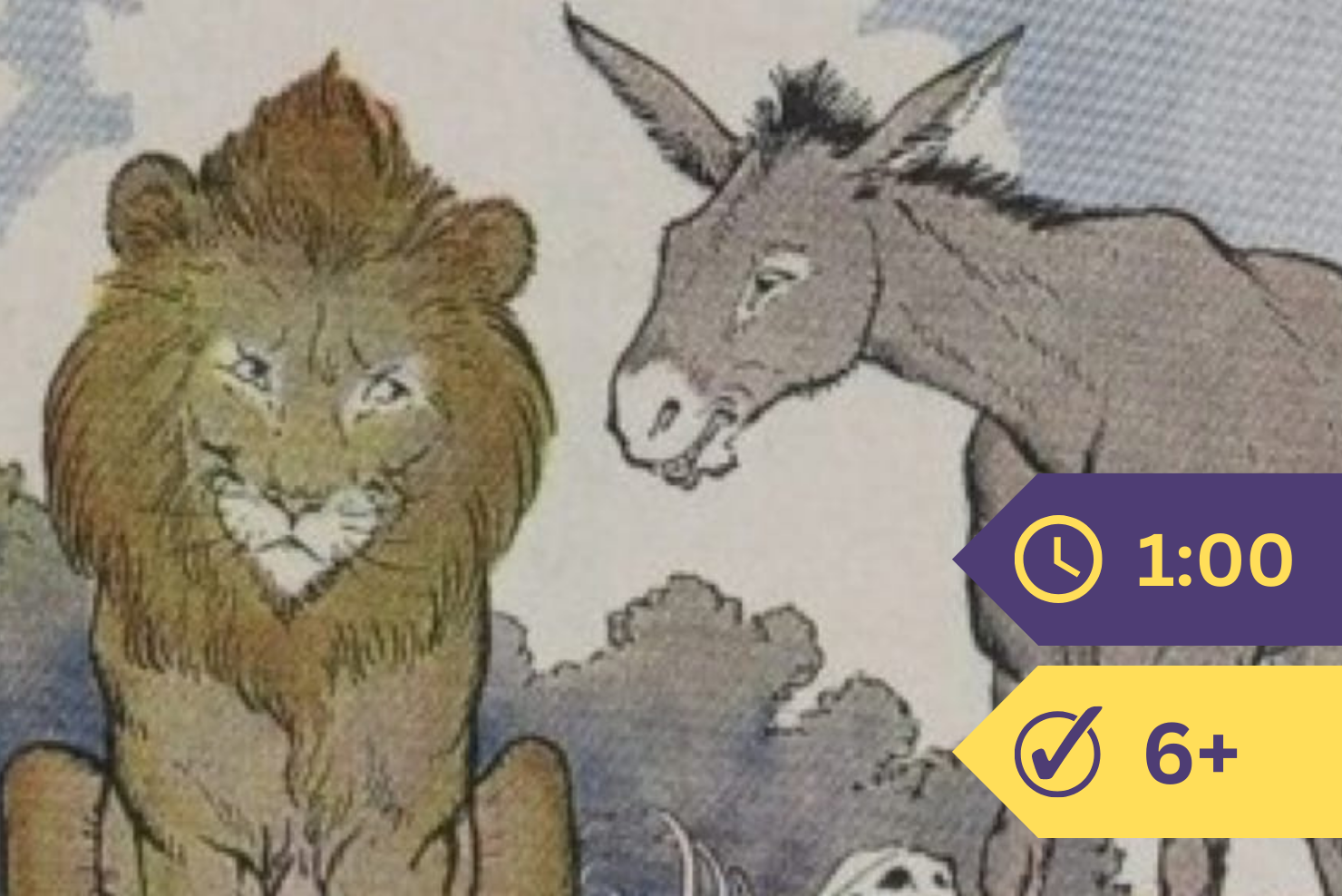
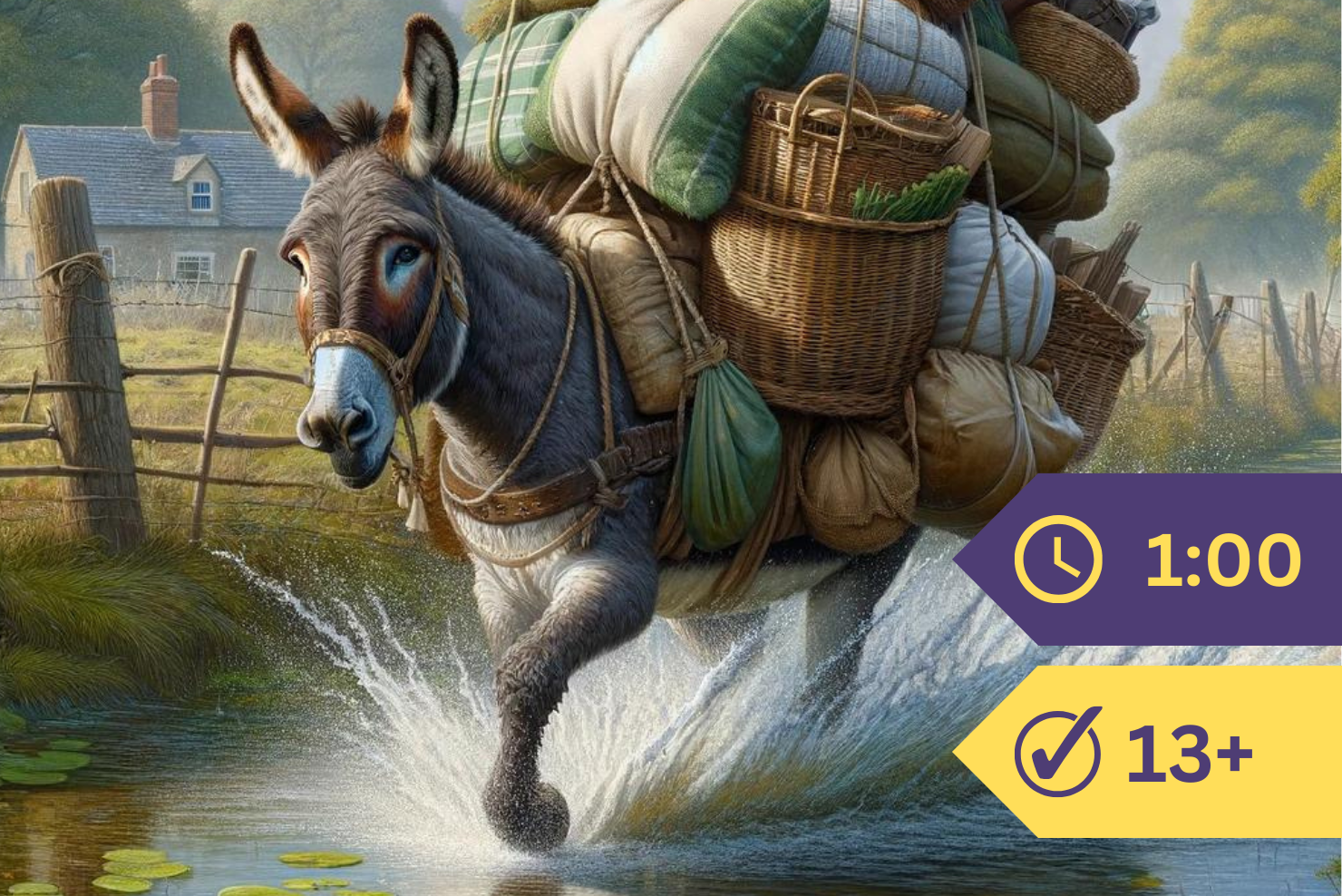
A Mule, frolicsome from lack of work and from too much corn, galloped about in a very extravagant manner, and said to himself: “My father surely was a high-mettled racer, and I am his own child in speed and spirit.” On the next day, being driven a long journey, and feeling very wearied, he exclaimed in a disconsolate tone: “I must have made a mistake; my father, after all, could have been only an ass.”


Credits

Aesop was an ancient Greek storyteller, believed to have lived around 620–564 BCE, whose fables have shaped moral storytelling across centuries and cultures. "The Mule" is a characteristically compact Aesop fable — delivering its lesson about vanity and self-deception in under a hundred words, with a wry wit that remains sharp to this day.