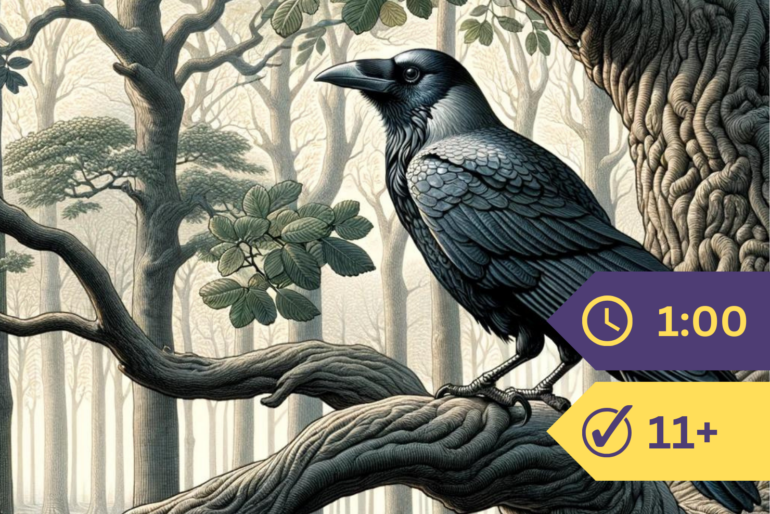
The Crow and the Raven

Summary


"The Crow and the Raven" is a short fable by Aesop about a crow consumed by envy of the raven's revered status as a bearer of omens. Desperate to claim the same power over men's destinies, the crow seizes her moment when travelers pass — only to find that mimicking another's role earns nothing but dismissal. In just a few sharp lines, Aesop captures the sting of being seen through, and the hollow cost of chasing a reputation that was never yours to begin with.

Read Online

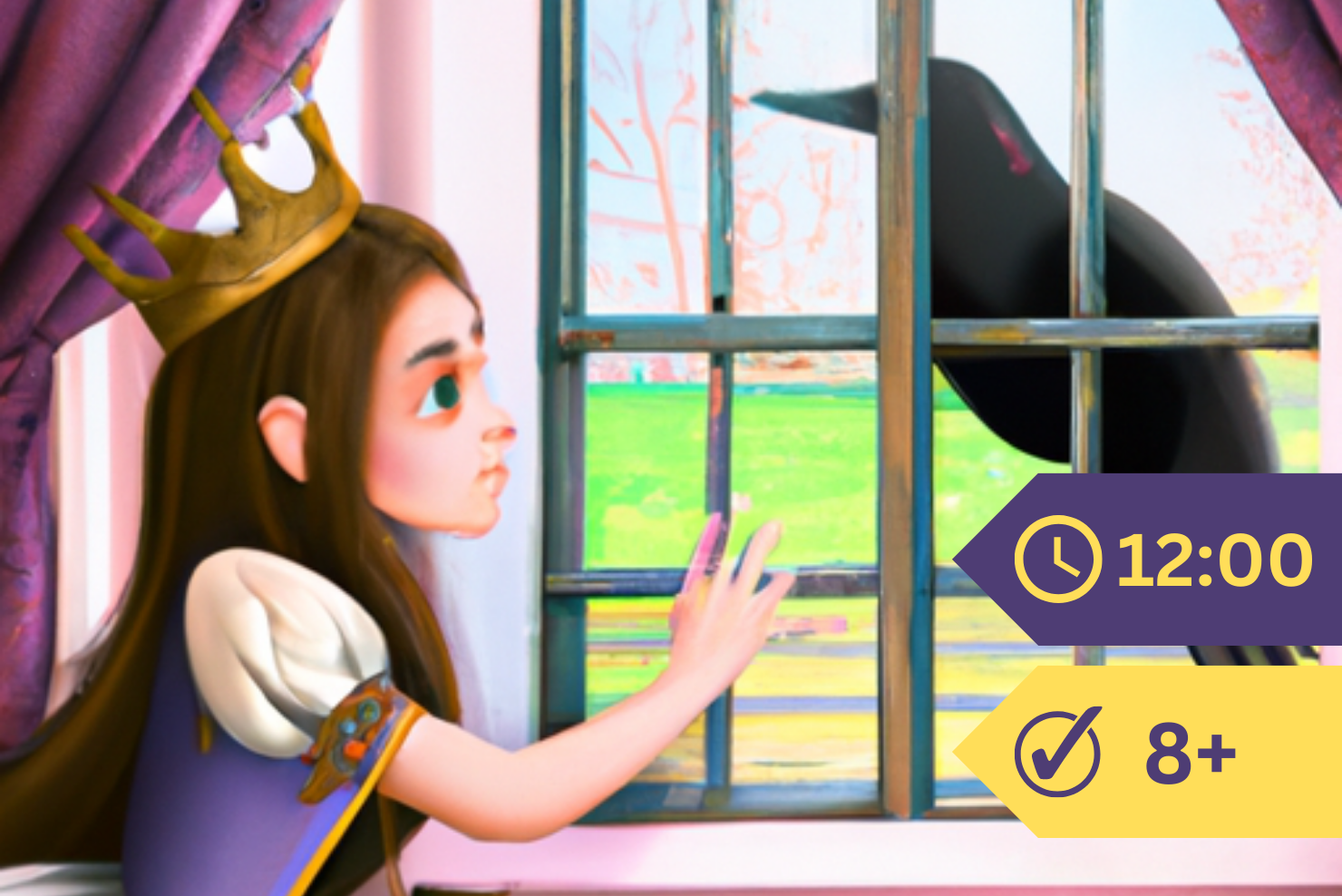
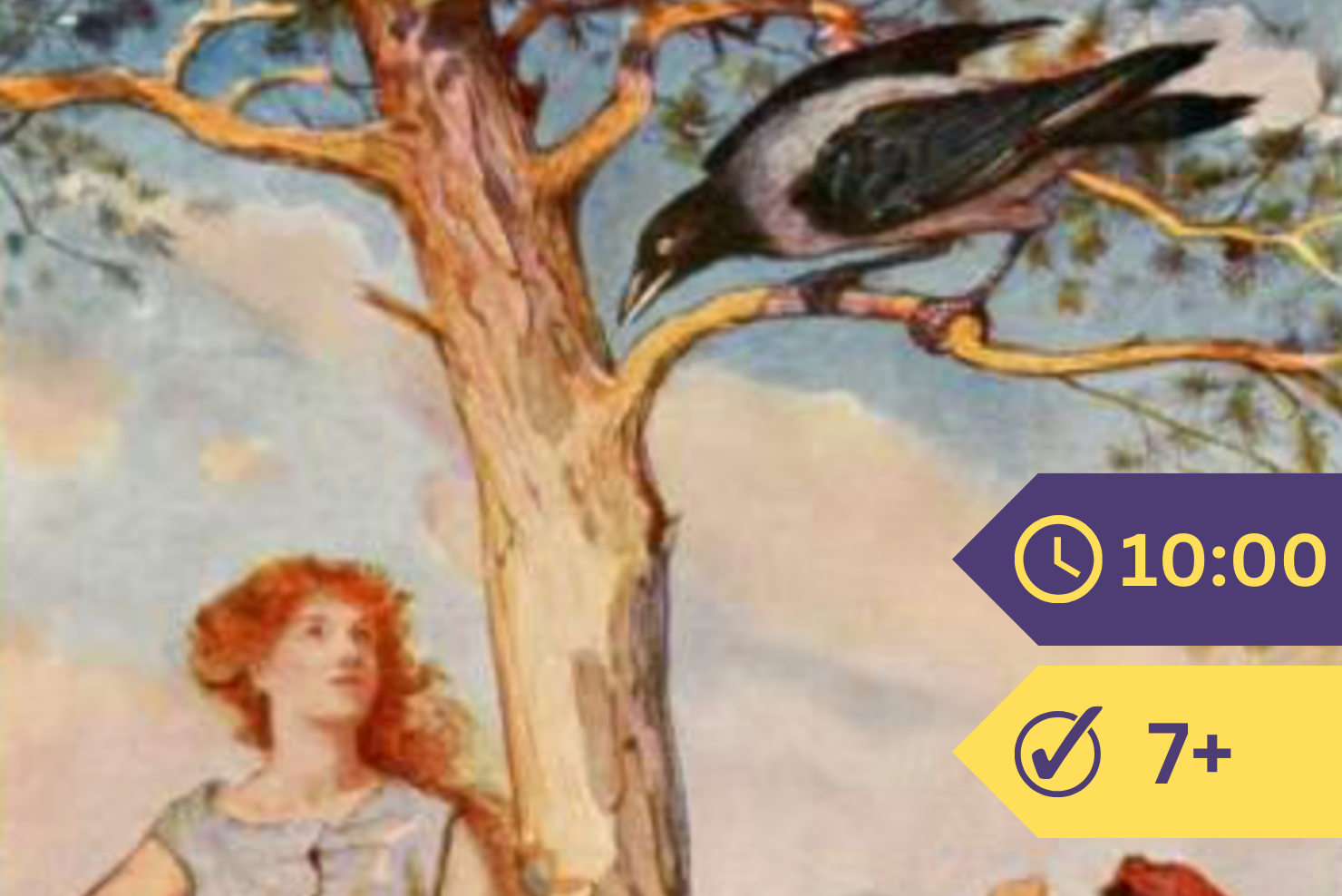
A Crow was jealous of the Raven, because he was considered a bird of good omen and always attracted the attention of men, who noted by his flight the good or evil course of future events. Seeing some travelers approaching, the Crow flew up into a tree, and perching herself on one of the branches, cawed as loudly as she could. The travelers turned towards the sound and wondered what it foreboded, when one of them said to his companion, “Let us proceed on our journey, my friend, for it is only the caw of a crow, and her cry, you know, is no omen.”


Credits

Aesop was an ancient Greek storyteller, believed to have lived around 620–564 BCE, whose fables have shaped moral literature across cultures for over two millennia. "The Crow and the Raven" is a compact example of his signature style — a single ironic moment that delivers its lesson without mercy or sentimentality.