
The Boasting Traveler

Summary

"The Boasting Traveler" is a short fable by Aesop in which a man returns from his travels abroad and loudly claims he once made a legendary leap in Rhodes — witnessed by many, he insists. As he calls for distant witnesses to confirm his glory, a sharp-tongued bystander cuts straight through the bluster: if the feat is real, perform it here and now. The tale builds to a single devastating moment of logic that exposes the gap between empty words and real action.


Read Online

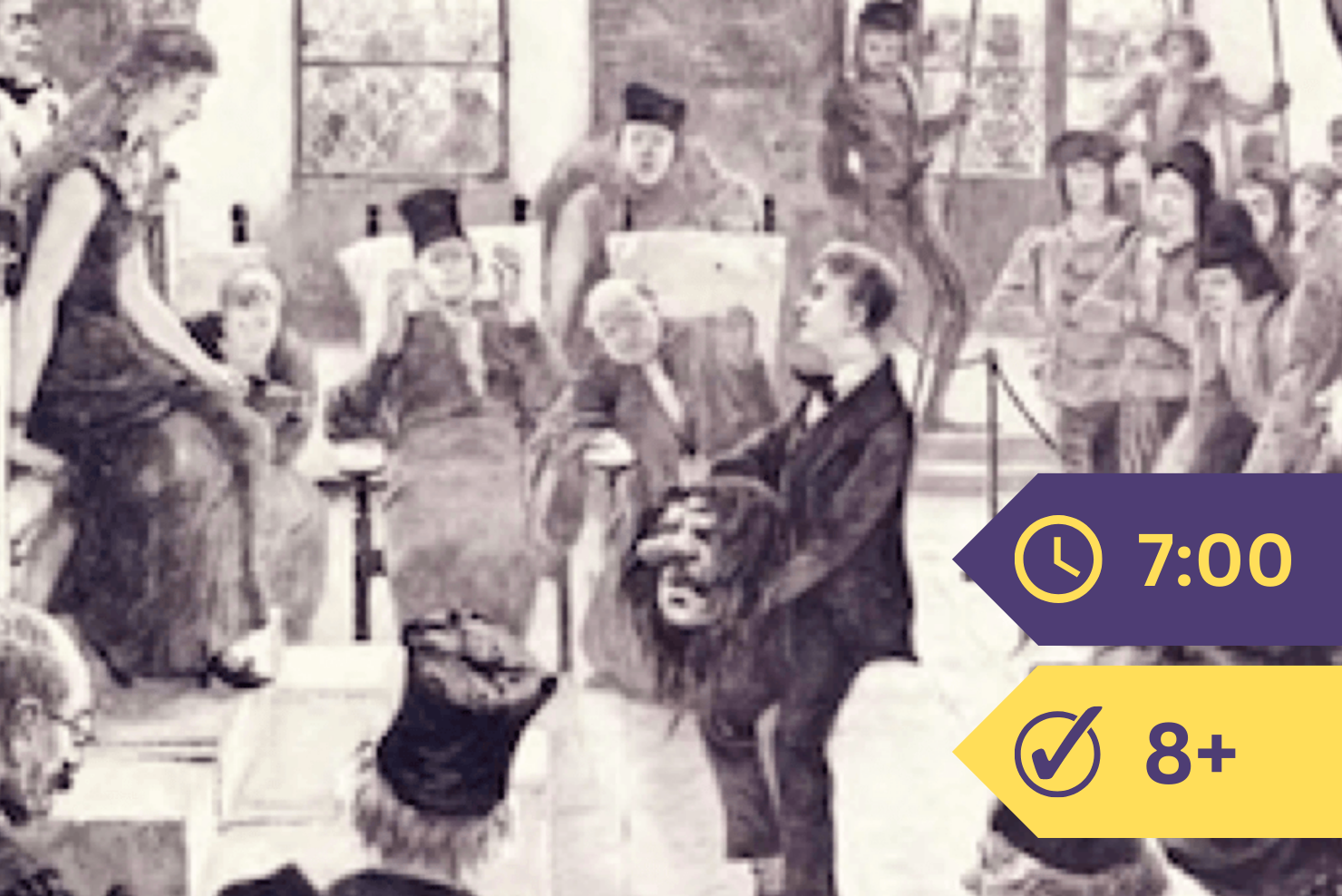
A Man who had traveled in foreign lands boasted very much, on returning to his own country, of the many wonderful and heroic feats he had performed in the different places he had visited. Among other things, he said that when he was at Rhodes he had leaped to such a distance that no man of his day could leap anywhere near him as to that, there were in Rhodes many persons who saw him do it and whom he could call as witnesses. One of the bystanders interrupted him, saying: “Now, my good man, if this be all true there is no need of witnesses. Suppose this to be Rhodes, and leap for us.”


Credits

Aesop was an ancient Greek storyteller, believed to have lived around 620–564 BCE, whose fables have been retold across cultures for over two millennia. "The Boasting Traveler" is the likely origin of the enduring Latin phrase Hic Rhodus, hic salta — "Here is Rhodes, here leap" — a saying that became a philosophical touchstone for demanding proof over pretense.