The Bat And The Weasels

Summary


"The Bat And The Weasels" is a short fable by Aesop in which a bat must think fast to survive two deadly encounters. Caught first by a weasel who despises birds, the bat claims to be a mouse. Caught next by a weasel who despises mice, the bat claims to be a bird. Each time, a quick shift in identity saves his life. The fable explores how flexibility and presence of mind can turn a desperate situation into an unlikely escape.


Read Online

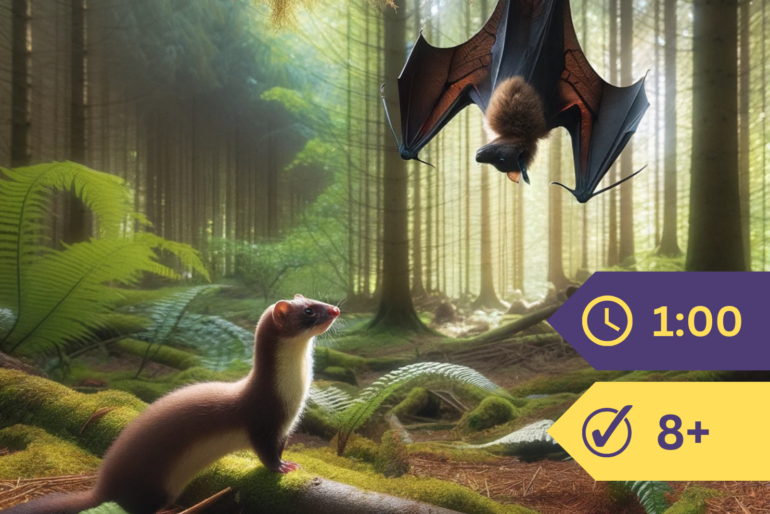
A bat who fell upon the ground and was caught by a Weasel pleaded to be spared his life. The Weasel refused, saying that he was by nature the enemy of all birds. The Bat assured him that he was not a bird, but a mouse, and thus was set free. Shortly afterwards the Bat again fell to the ground and was caught by another Weasel, whom he likewise entreated not to eat him. The Weasel said that he had a special hostility to mice. The Bat assured him that he was not a mouse, but a bat, and thus a second time escaped.


Credits

Aesop was an ancient Greek storyteller, believed to have lived around the 6th century BCE, whose fables have shaped moral literature across the world for over two thousand years. "The Bat And The Weasels" is one of his shorter yet sharper tales, illustrating the classic Aesopian lesson that adaptability is a virtue — often summed up as "Look and see which way the wind blows before you commit yourself."